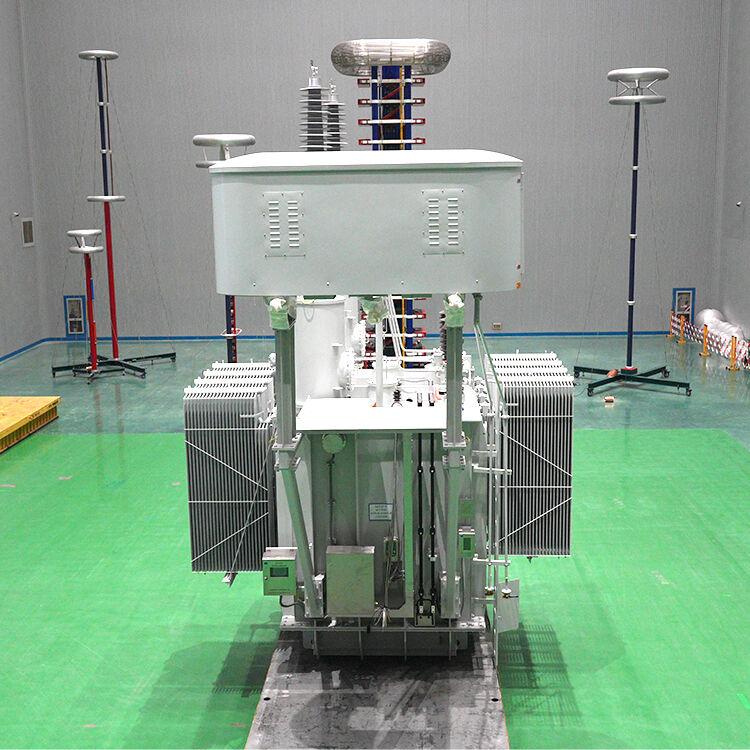
Oil Immersed Traction Transformer - Advanced Railway Power Solutions | High-Performance Electric Train Components

Get a Free Quote

Our representative will contact you soon.
Email
WhatsApp/Mobile
Name
Company Name
Message
0/1000

oil immersed traction transformer

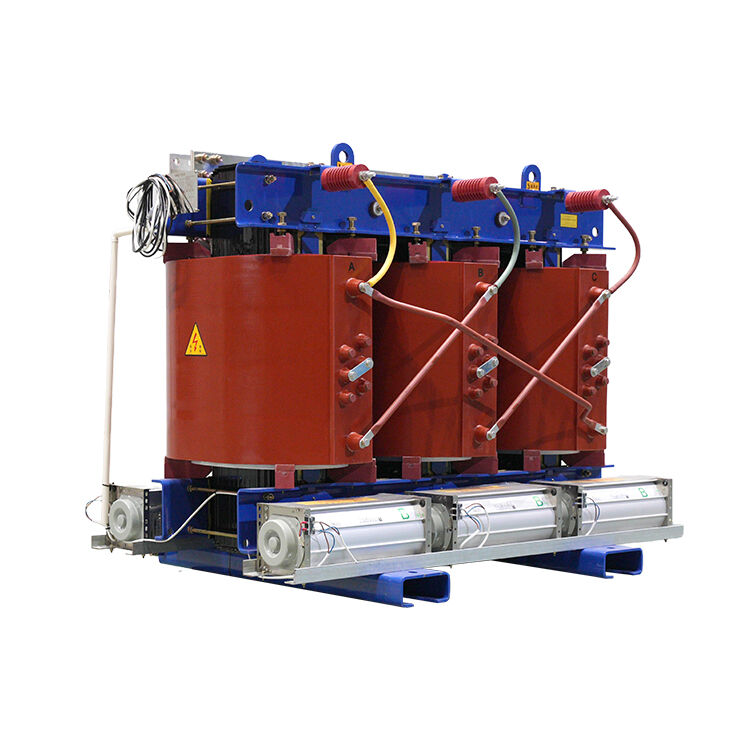
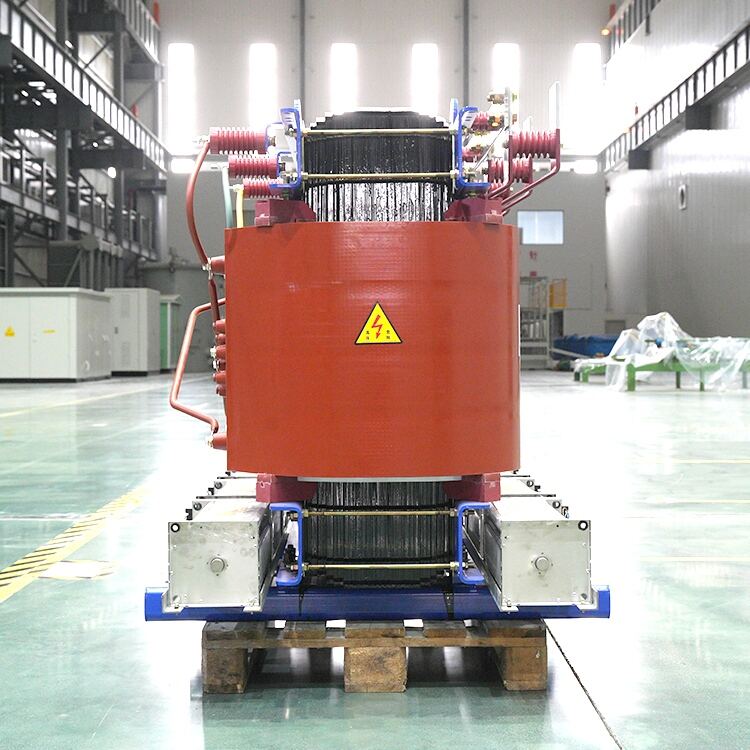
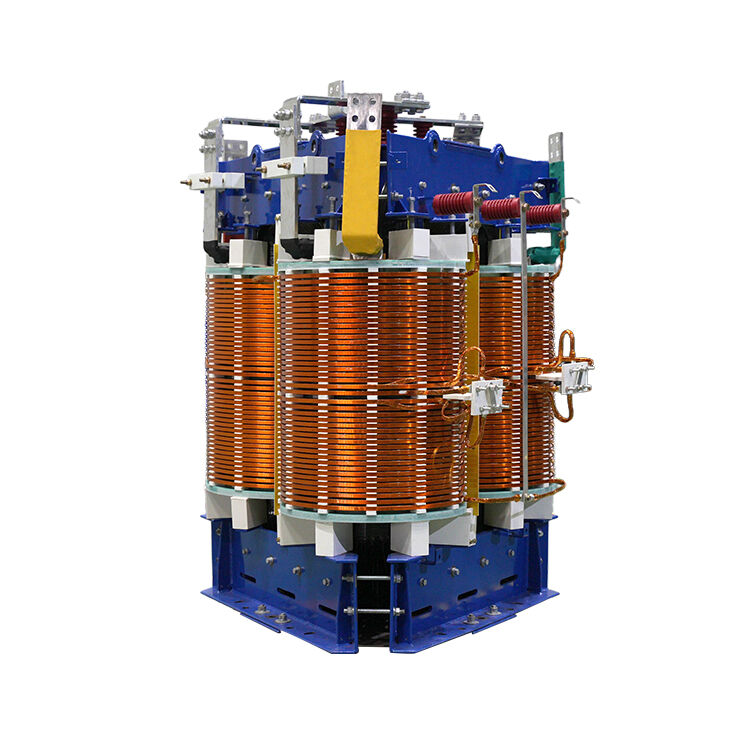
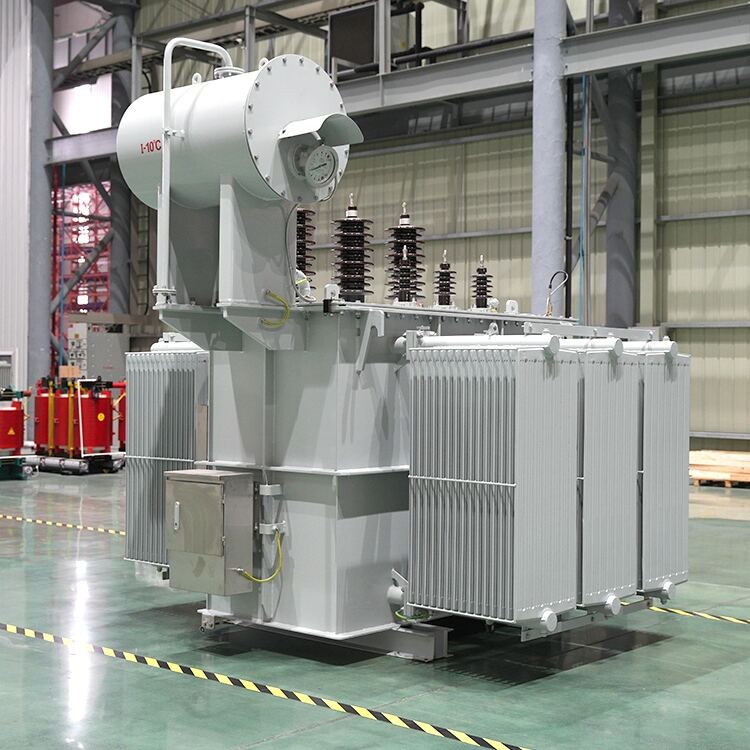
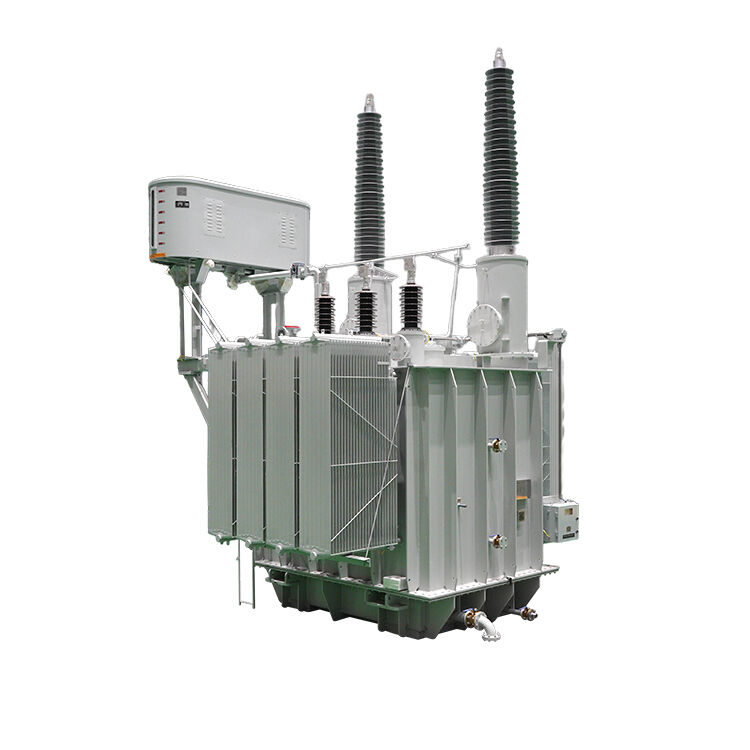
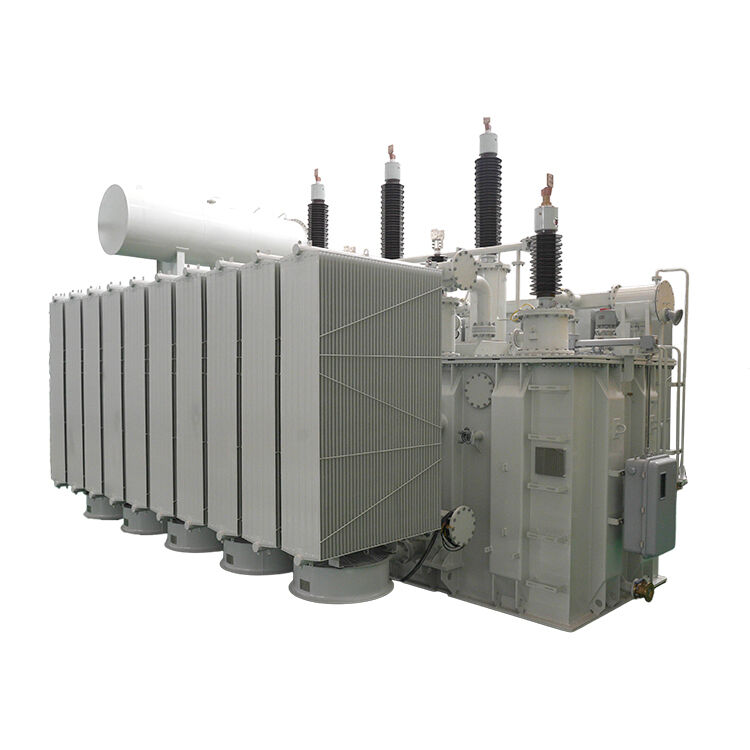
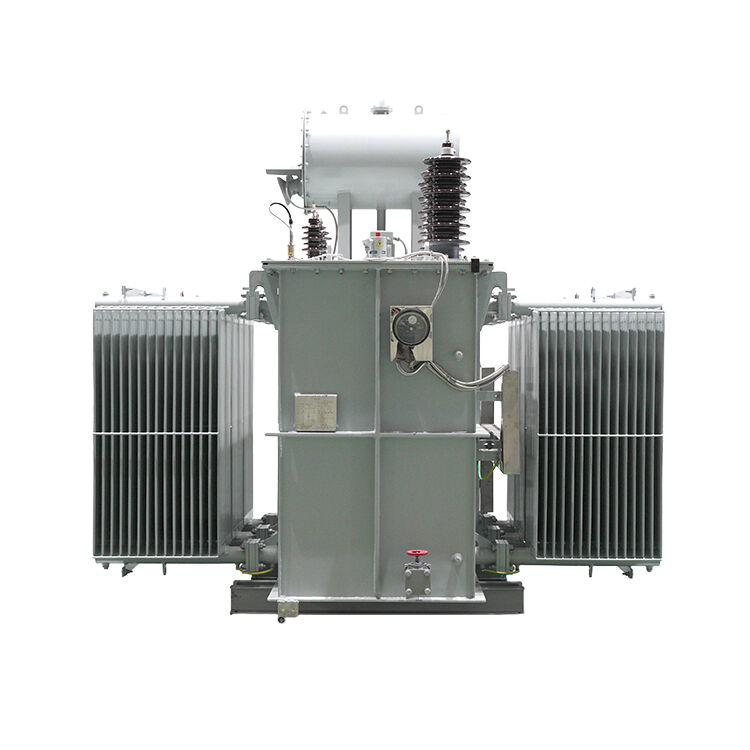
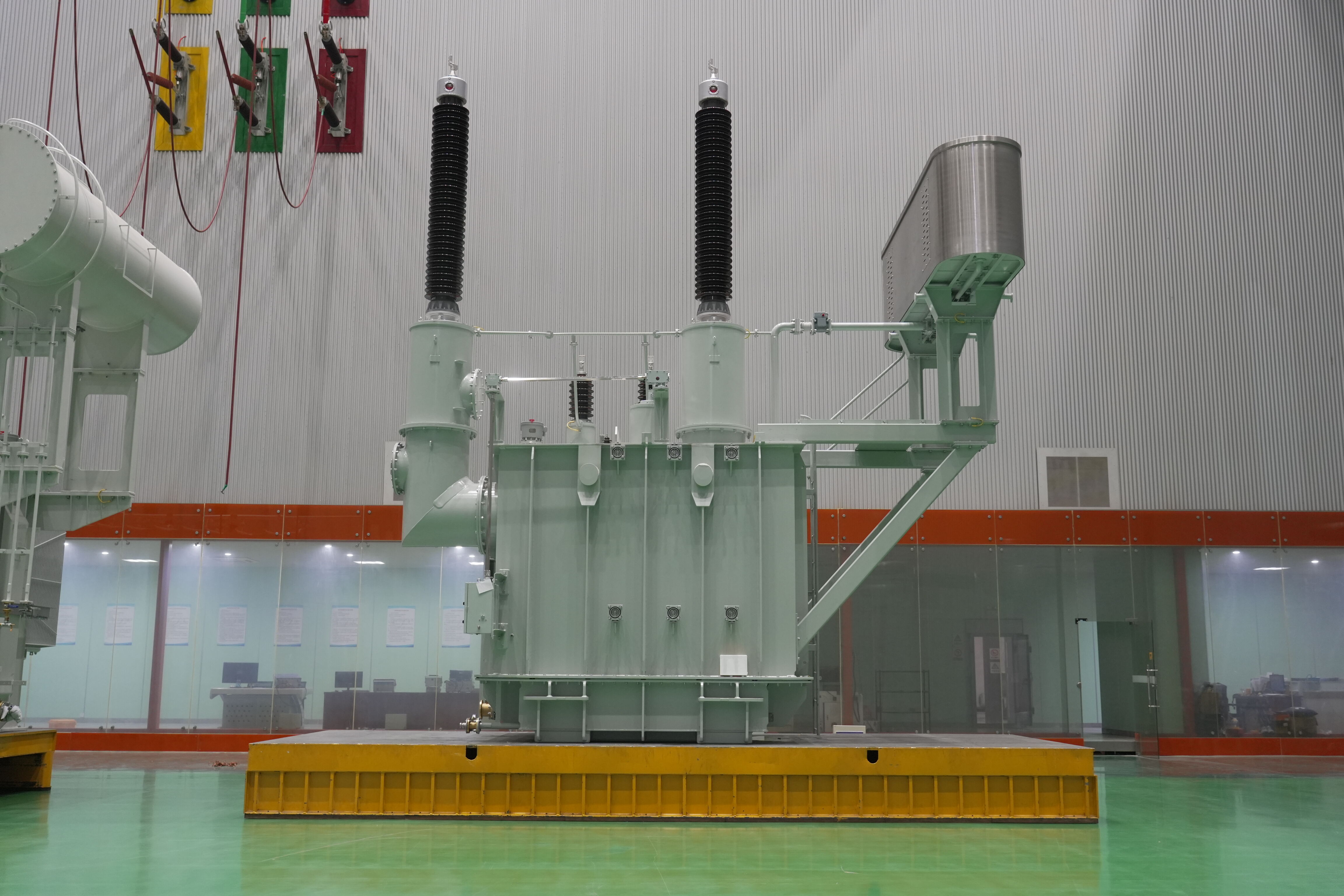
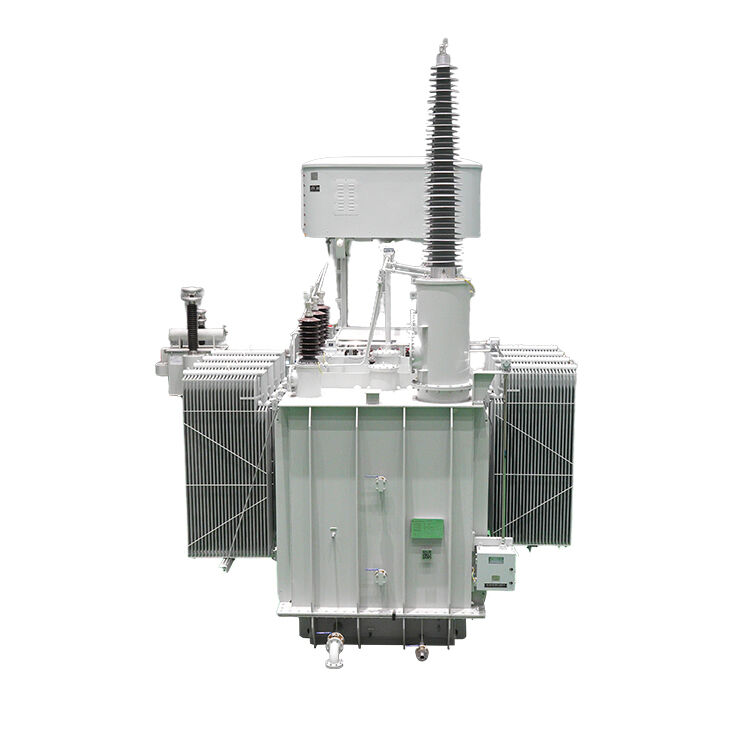
An oil immersed traction transformer represents a critical component in modern electric railway systems, designed specifically to convert high-voltage electrical power from overhead lines or third rails into appropriate voltage levels for train propulsion systems. This specialized electrical device operates by utilizing transformer oil as both an insulating medium and cooling agent, ensuring optimal performance under demanding railway conditions. The oil immersed traction transformer serves as the primary power conversion unit that enables electric trains to operate efficiently across various voltage requirements. The main functions of this transformer include voltage conversion, electrical isolation between primary and secondary circuits, and power distribution to multiple traction motors simultaneously. These transformers typically handle power ratings ranging from several hundred kilowatts to multiple megawatts, depending on the specific application and train configuration. Technological features of the oil immersed traction transformer include advanced core materials such as grain-oriented silicon steel that minimizes energy losses during operation. The transformer windings utilize high-quality copper conductors with specialized insulation systems designed to withstand mechanical vibrations and thermal cycling common in railway environments. Temperature monitoring systems continuously track oil and winding temperatures to prevent overheating and ensure safe operation. The oil circulation system maintains proper cooling through natural convection or forced circulation methods, while moisture control systems prevent water contamination that could compromise insulation properties. Applications of oil immersed traction transformers span across various railway sectors including high-speed passenger trains, freight locomotives, urban transit systems, and industrial railway applications. These transformers prove essential in electric multiple units, where they provide power conversion for both traction and auxiliary systems. Modern implementations feature computerized monitoring systems that track performance parameters and provide predictive maintenance capabilities, enhancing overall system reliability and operational efficiency in demanding transportation environments.

Popular Products

Oil immersed traction transformers deliver exceptional performance benefits that make them the preferred choice for railway electrification projects worldwide. These transformers provide superior cooling efficiency compared to dry-type alternatives, allowing them to handle higher power densities while maintaining optimal operating temperatures. The oil cooling system removes heat more effectively than air cooling, enabling compact designs that fit within space-constrained railway vehicles. This enhanced cooling capability translates directly into increased power output capacity, allowing railway operators to maximize traction performance without compromising safety or reliability. The robust construction of oil immersed traction transformers ensures outstanding durability in challenging railway environments. These units withstand constant vibrations, temperature fluctuations, and mechanical stresses encountered during daily operations. The transformer oil provides excellent electrical insulation properties, preventing flashovers and maintaining consistent performance across varying environmental conditions. This reliability reduces maintenance requirements and minimizes unexpected downtime, resulting in significant cost savings for railway operators. Oil immersed traction transformers offer flexible voltage conversion capabilities that accommodate diverse railway electrification standards worldwide. Whether operating on 15kV, 25kV, or other voltage systems, these transformers adapt seamlessly to different power supply configurations. This versatility enables railway manufacturers to standardize equipment across multiple markets while meeting local electrical specifications. The transformers also support multiple output voltages simultaneously, powering both traction motors and auxiliary systems from a single unit. Cost-effectiveness represents another major advantage of oil immersed traction transformers. While initial investment may be higher than some alternatives, the long-term operational benefits justify the expenditure. Extended service life, reduced maintenance costs, and improved energy efficiency contribute to lower total cost of ownership. The transformers typically operate for decades with proper maintenance, providing excellent return on investment. Additionally, standardized designs and proven manufacturing processes help control production costs while maintaining high quality standards. Safety features built into oil immersed traction transformers protect both equipment and personnel. Pressure relief systems prevent dangerous overpressure conditions, while temperature monitoring prevents overheating. The oil itself provides fire-resistant properties when properly maintained, reducing fire risk compared to some insulation materials. These safety benefits help railway operators meet stringent industry standards while protecting valuable assets and ensuring passenger safety.

Latest News

How Does a Transformer Work in High Voltage Power Transmission?

08

Jan

How Does a Transformer Work in High Voltage Power Transmission?

High voltage power transmission systems form the backbone of modern electrical grids, enabling electricity to travel efficiently across vast distances. At the heart of these complex networks lies the power transformer, a crucial piece of equipment th...
View More
Why Are Transformers Critical for Industrial Power Distribution Systems?

14

Jan

Why Are Transformers Critical for Industrial Power Distribution Systems?

Industrial power distribution systems form the backbone of modern manufacturing, commercial facilities, and critical infrastructure operations. At the heart of these complex networks lies a fundamental component that ensures safe, efficient, and reli...
View More
How Do Transformers Support Grid Stability in Large-Scale Power Networks?

20

Jan

How Do Transformers Support Grid Stability in Large-Scale Power Networks?

Large-scale power networks form the backbone of modern electrical infrastructure, requiring sophisticated equipment to maintain stability and reliability across vast geographical areas. Power transformers play a crucial role in these complex systems ...
View More
What Should Utilities Consider When Selecting a Transformer Supplier?

26

Jan

What Should Utilities Consider When Selecting a Transformer Supplier?

Selecting the right supplier for power infrastructure represents one of the most critical decisions utility companies face in today's rapidly evolving energy landscape. The process of choosing a power transformer supplier requires careful evaluation ...
View More

Get a Free Quote

Our representative will contact you soon.
Email
WhatsApp/Mobile
Name
Company Name
Message
0/1000

oil immersed traction transformer

Advanced Cooling Technology for Maximum Performance

Advanced Cooling Technology for Maximum Performance

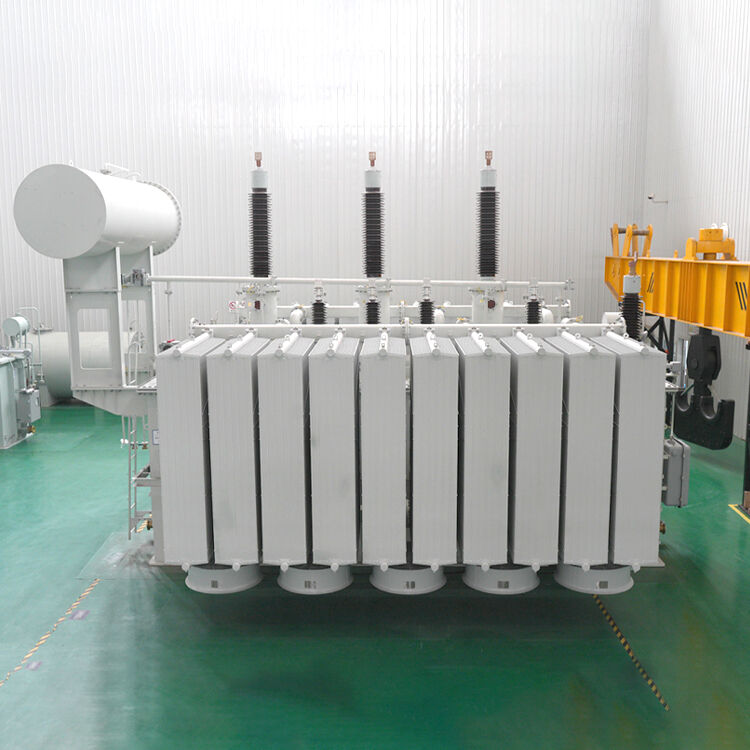
The advanced cooling technology integrated into oil immersed traction transformers represents a breakthrough in thermal management for railway applications. This sophisticated cooling system utilizes specially formulated transformer oil that circulates throughout the unit, absorbing heat generated during power conversion processes and dissipating it efficiently through external cooling surfaces. The oil serves dual purposes as both an excellent electrical insulator and an effective heat transfer medium, creating optimal operating conditions even under heavy load demands. The cooling system design incorporates strategically positioned oil channels that ensure uniform temperature distribution across all transformer components. This prevents hot spots that could damage windings or reduce insulation life, maintaining consistent performance throughout the transformer's operational envelope. Advanced oil circulation pumps, when required, provide forced convection that enhances heat removal capacity during peak load conditions, enabling the transformer to deliver maximum power output without thermal limitations. Temperature sensors continuously monitor oil and winding temperatures at multiple points throughout the transformer, providing real-time feedback to control systems that optimize cooling performance. This monitoring capability enables predictive maintenance strategies that identify potential issues before they become critical failures. The cooling system also includes filtration components that maintain oil purity, preventing contamination that could compromise both cooling efficiency and electrical performance. Modern oil immersed traction transformers feature enhanced cooling radiators with optimized fin designs that maximize surface area for heat dissipation while minimizing weight and space requirements. These radiators often incorporate variable-speed cooling fans that activate automatically based on temperature conditions, providing additional cooling capacity when needed while minimizing energy consumption during normal operations. The result is a cooling system that delivers superior thermal performance, extended equipment life, and reduced maintenance requirements compared to alternative cooling technologies in railway applications.
Exceptional Electrical Insulation and Safety Features

Exceptional Electrical Insulation and Safety Features

Oil immersed traction transformers incorporate exceptional electrical insulation systems that ensure safe, reliable operation in the demanding railway environment. The transformer oil provides superior dielectric properties that far exceed those of air or other insulation media, enabling compact designs while maintaining excellent electrical isolation between high-voltage and low-voltage circuits. This advanced insulation capability allows engineers to design transformers with higher power densities, reducing overall system weight and space requirements critical in railway applications. The insulation system combines multiple layers of protection, including oil-impregnated paper insulation around windings, specialized barrier insulation between phases, and oil-filled clearances that prevent electrical breakdown under normal and fault conditions. This multi-barrier approach ensures that even if one insulation element experiences degradation, multiple backup systems maintain safe operation until maintenance can be performed. The oil itself undergoes continuous purification through filtration and degassing systems that remove moisture, gases, and particulate contaminants that could compromise insulation integrity. Safety features integrated into the insulation system include pressure relief devices that prevent dangerous overpressure conditions during fault events or thermal expansion. These safety valves activate automatically when internal pressure exceeds safe limits, protecting the transformer tank from rupture while safely venting gases to designated collection areas. Buchholz relays detect the formation of gases that indicate internal faults, providing early warning of potential problems before they escalate into serious failures. The insulation monitoring systems continuously assess oil quality through various testing methods including dissolved gas analysis, moisture content measurement, and dielectric strength testing. These monitoring capabilities enable maintenance teams to track insulation condition over time and schedule preventive maintenance before insulation degradation affects performance. Advanced diagnostic systems can detect partial discharge activity that indicates insulation stress, allowing operators to take corrective action before failures occur. This comprehensive approach to insulation and safety ensures that oil immersed traction transformers deliver reliable service while protecting personnel and equipment from electrical hazards.

Versatile Power Conversion and Integration Capabilities

Versatile Power Conversion and Integration Capabilities

The versatile power conversion capabilities of oil immersed traction transformers make them indispensable components in modern railway electrification systems. These transformers excel at converting various input voltages from overhead catenary systems or third rails into precisely regulated output voltages required by different traction motor types and auxiliary systems. This flexibility enables railway operators to utilize standardized transformer designs across diverse route electrification schemes while maintaining optimal performance for specific operational requirements. Multi-tap switching capabilities allow oil immersed traction transformers to accommodate voltage variations in the supply system, ensuring consistent motor performance despite fluctuations in line voltage. This adaptability proves particularly valuable on long routes where voltage drop may occur or in systems where multiple voltage standards coexist. The transformers can provide simultaneous outputs at different voltage levels, powering both high-power traction motors and lower-voltage auxiliary systems such as lighting, air conditioning, and control circuits from a single unit. Integration capabilities extend beyond basic voltage conversion to include advanced power management features that optimize energy efficiency and system performance. Modern oil immersed traction transformers incorporate tap changers that automatically adjust voltage ratios based on load conditions, maintaining optimal motor efficiency across varying operational scenarios. These intelligent switching systems respond rapidly to changing power demands, ensuring smooth acceleration and deceleration while minimizing energy consumption. The transformers also feature harmonic filtering capabilities that reduce electrical noise and improve power quality, protecting sensitive electronic systems from interference. Communication interfaces enable oil immersed traction transformers to integrate seamlessly with train control networks, providing real-time operational data and accepting remote control commands. This connectivity allows for centralized monitoring and control of power systems, enabling operators to optimize performance and diagnose issues from remote locations. The transformers can report operational parameters, fault conditions, and maintenance requirements through standardized communication protocols, facilitating proactive maintenance strategies. Modular design concepts allow multiple transformer units to be connected in parallel or series configurations, providing scalability for different train configurations and power requirements. This modularity enables railway manufacturers to utilize common transformer designs across various vehicle platforms while meeting specific performance specifications for each application.

Get a Free Quote

Our representative will contact you soon.
Email
WhatsApp/Mobile
Name
Company Name
Message
0/1000