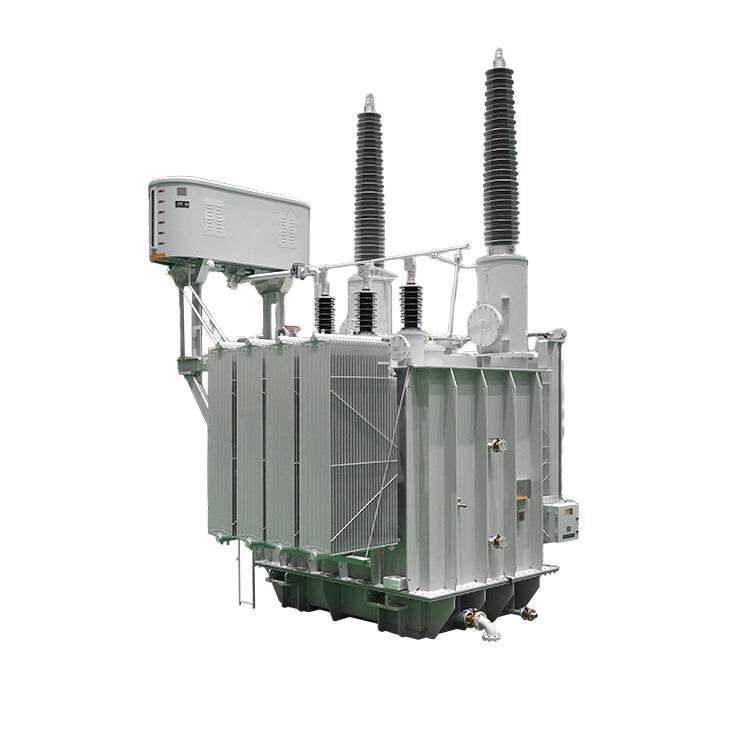
Metro Traction Transformer Solutions: Advanced Power Conversion Technology for Urban Rail Transit Systems

Get a Free Quote

Our representative will contact you soon.
Email
WhatsApp/Mobile
Name
Company Name
Message
0/1000

metro traction transformer

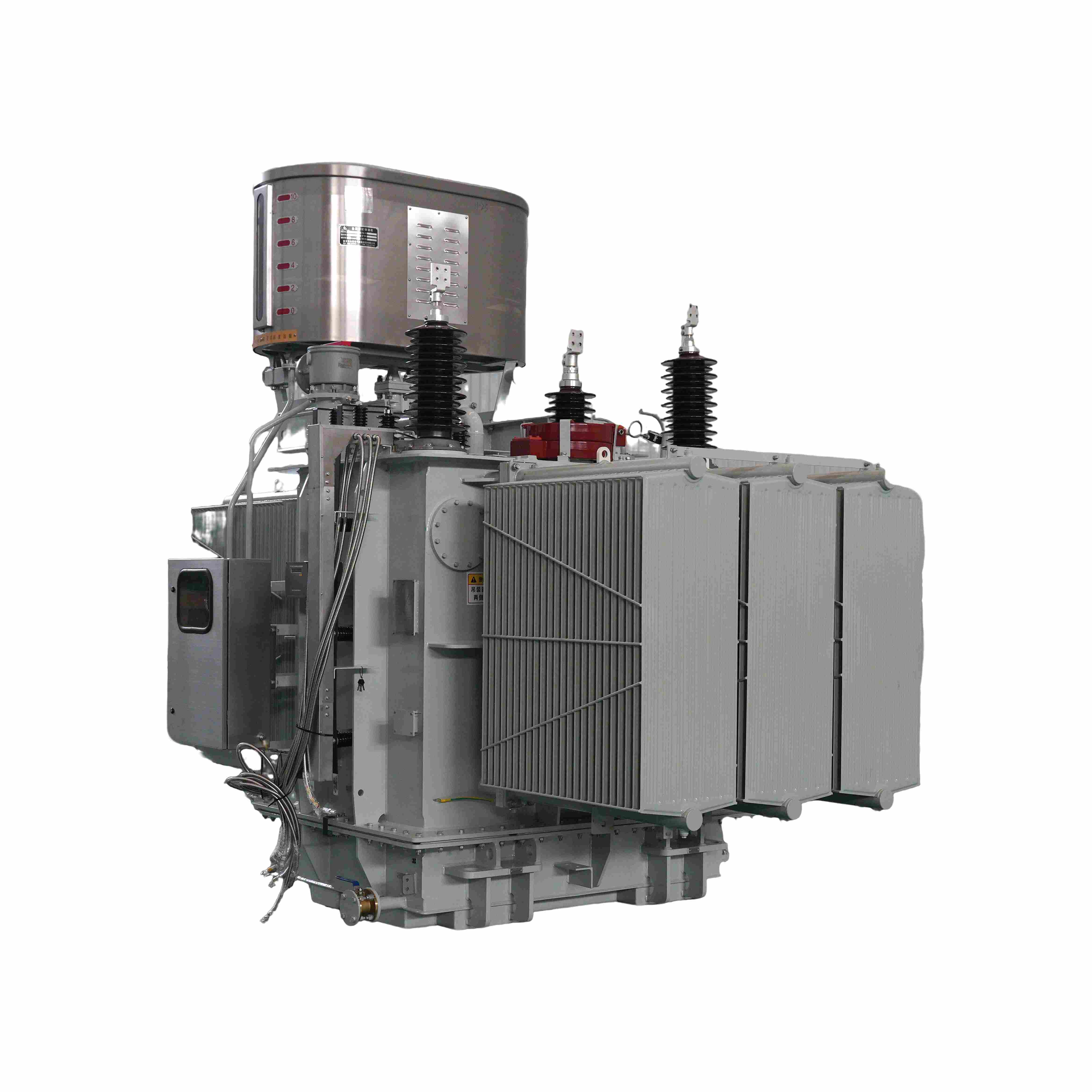
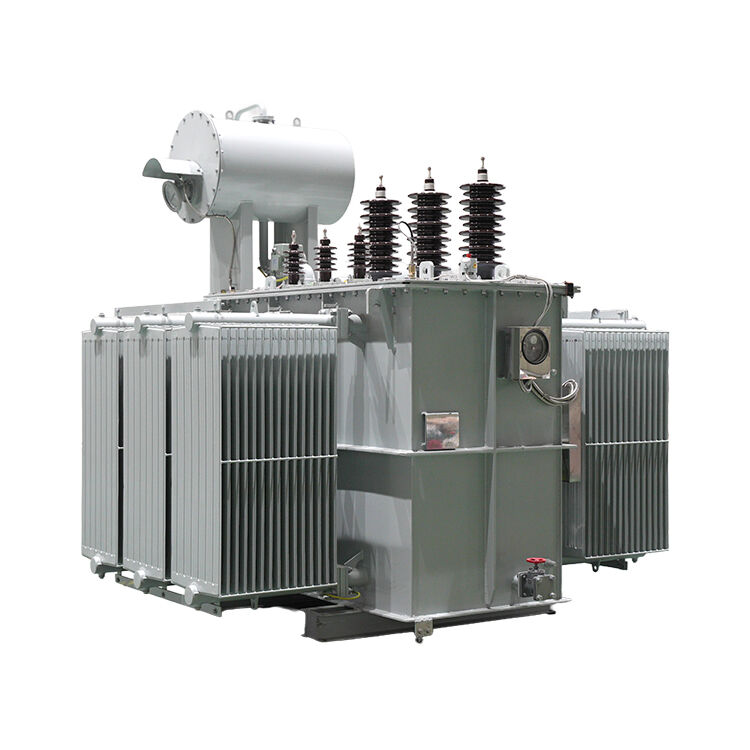
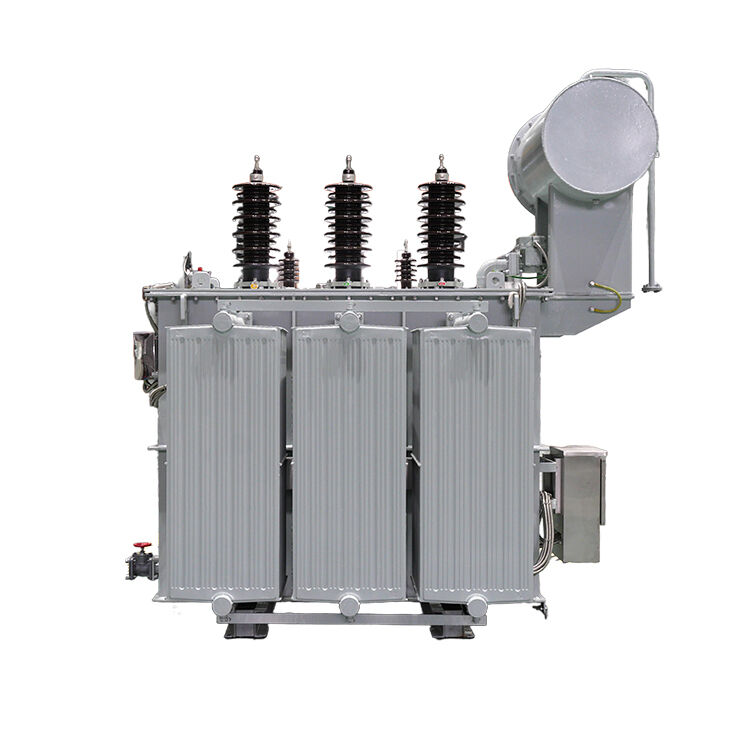
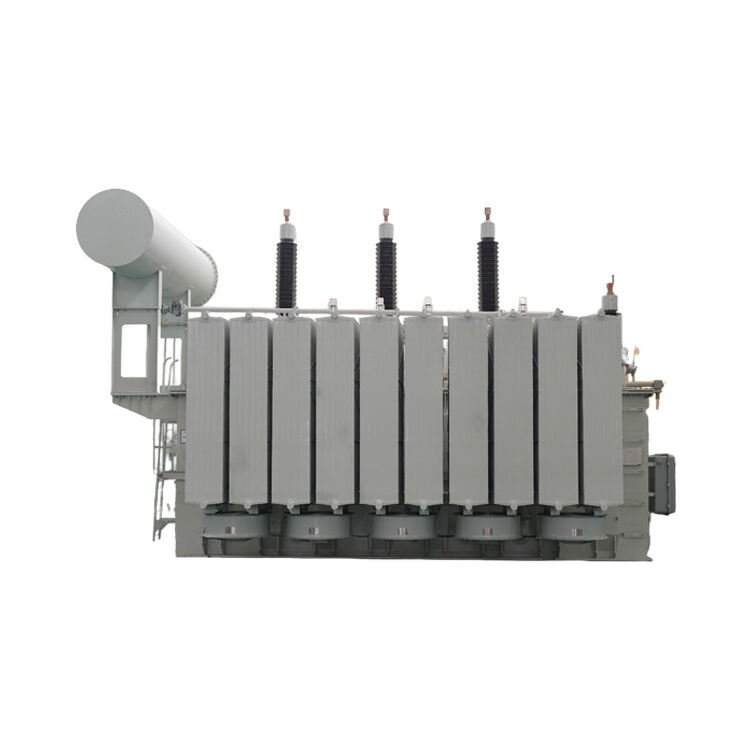
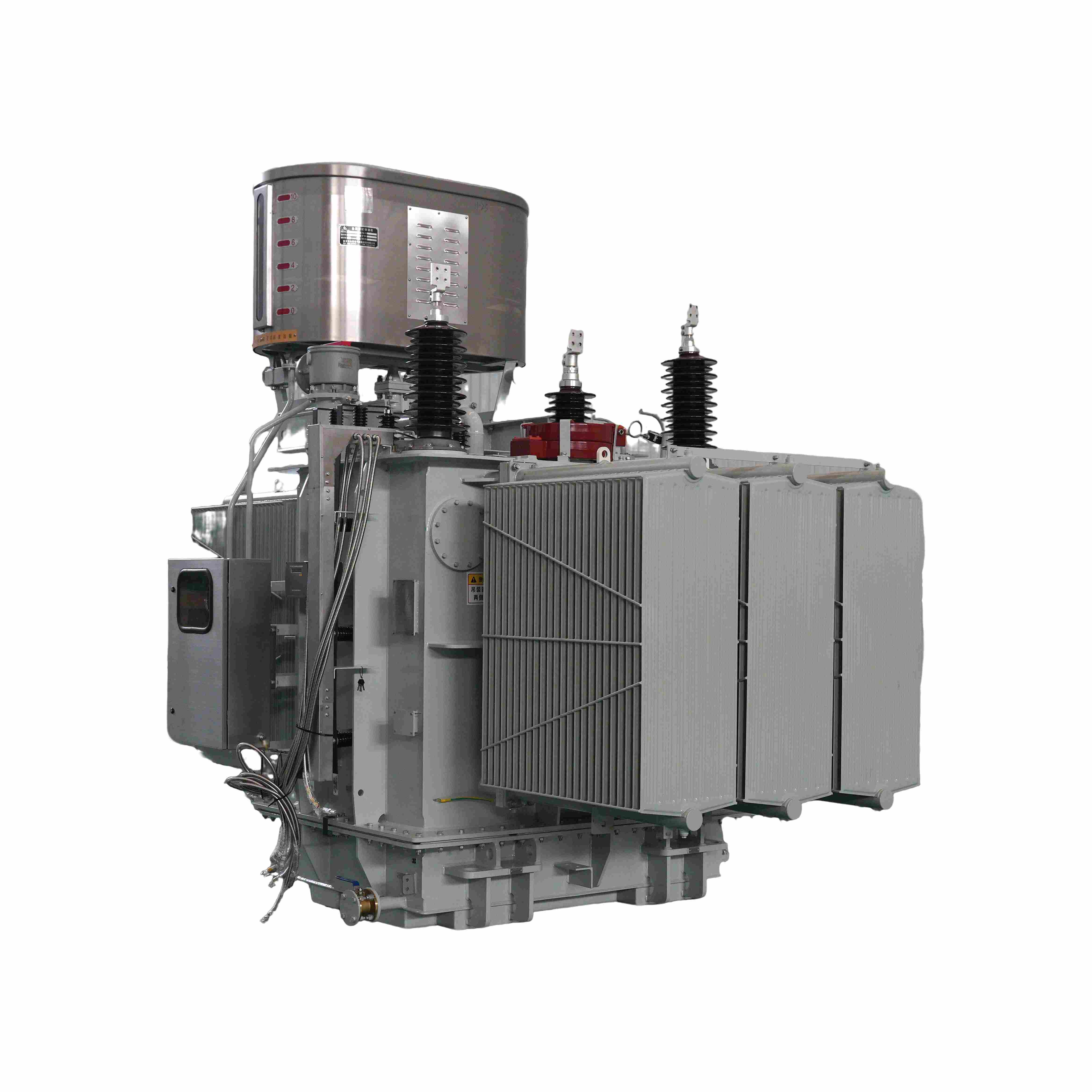
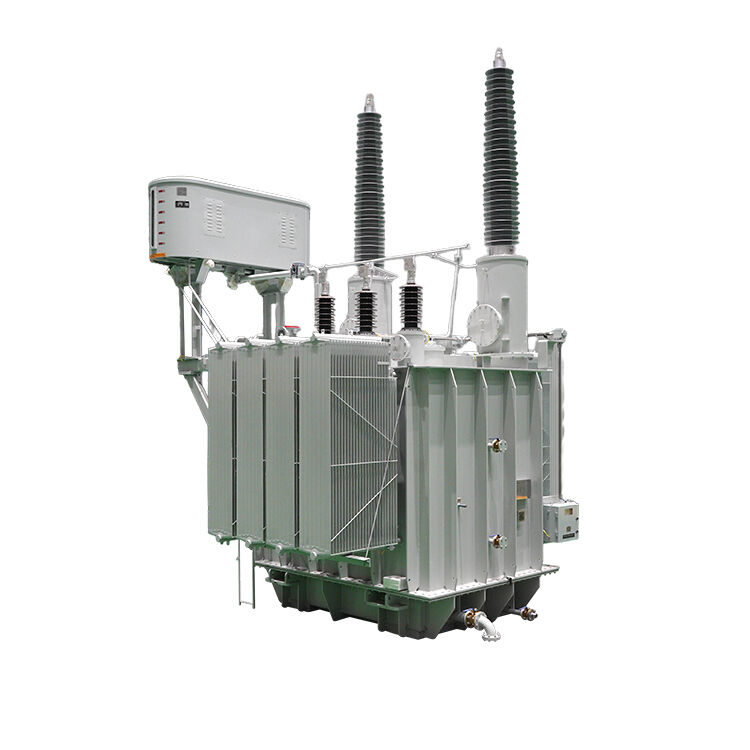
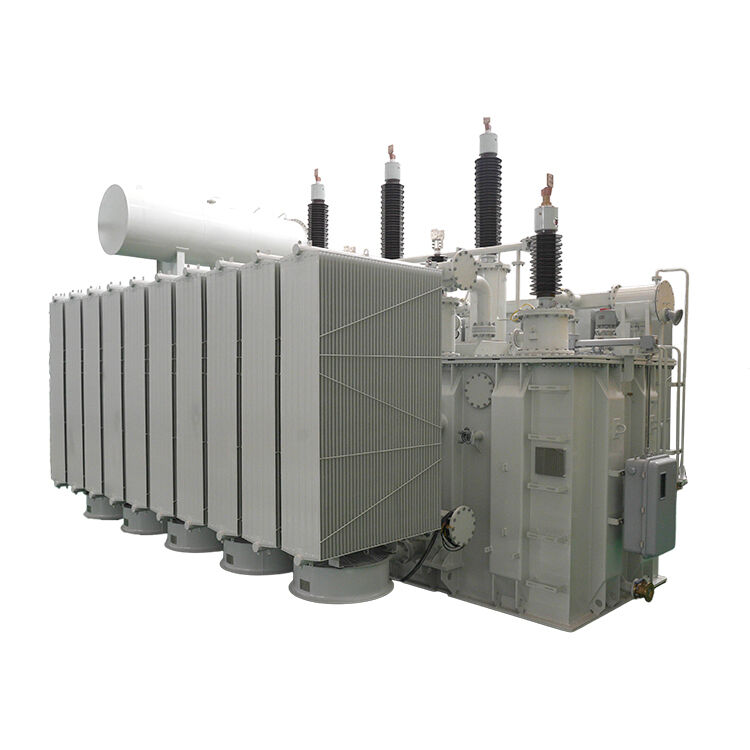
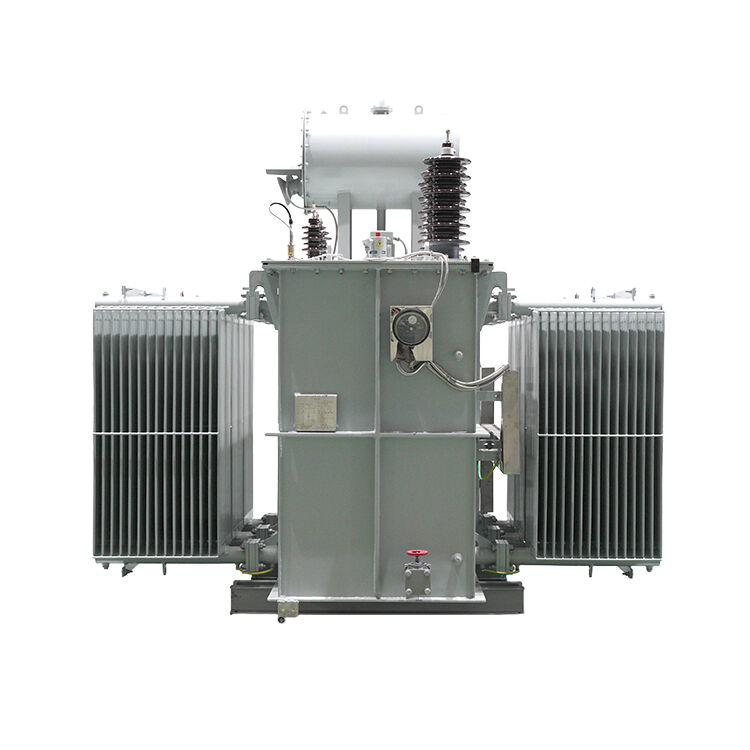
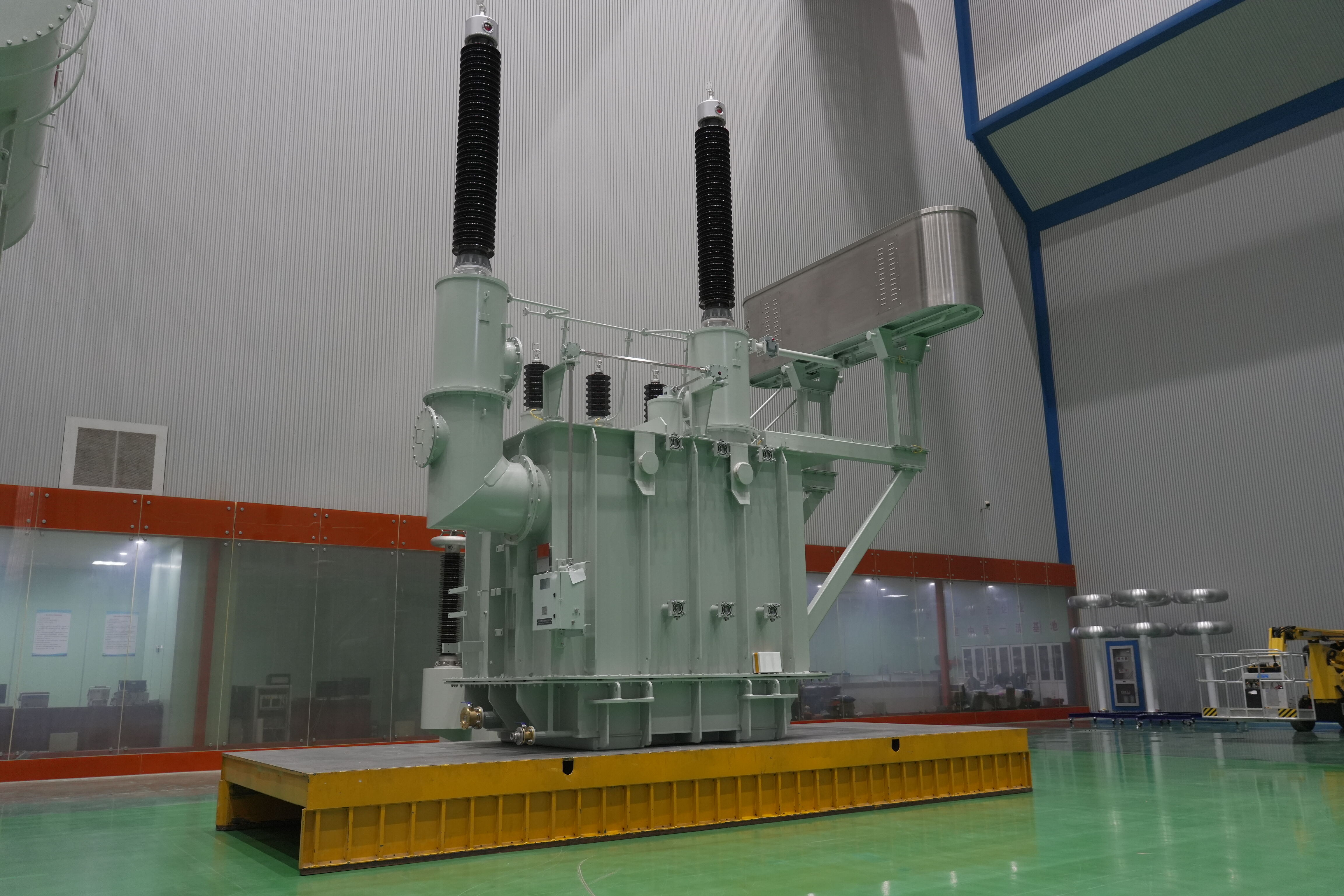
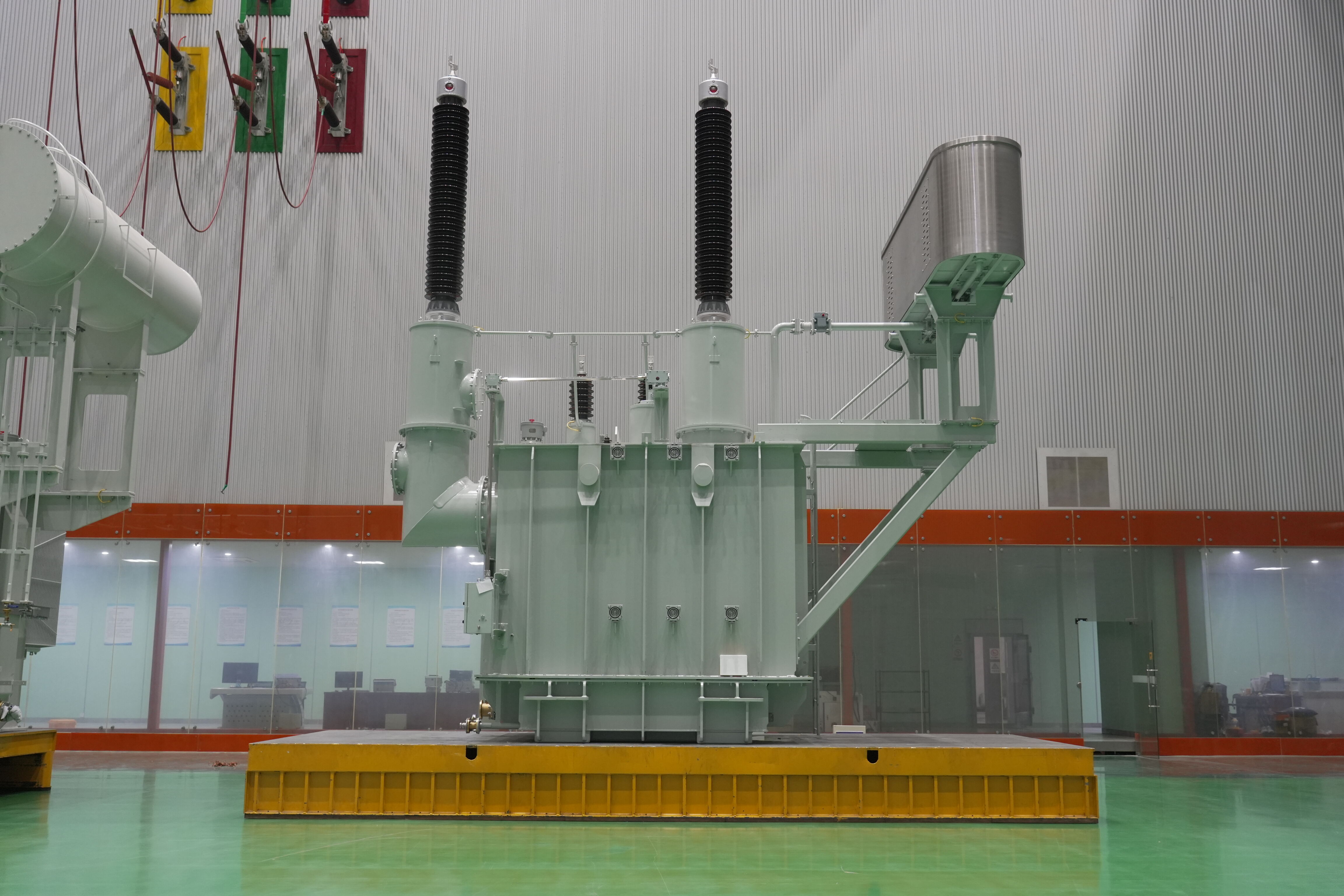
The metro traction transformer serves as a critical component in urban rail transit systems, functioning as the primary power conversion device that enables efficient and reliable train operations. This specialized electrical equipment transforms high-voltage alternating current from overhead catenary lines or third rails into appropriate voltage levels suitable for traction motors and auxiliary systems. The metro traction transformer operates by utilizing electromagnetic induction principles to step down incoming electrical power, typically from 25kV or 1.5kV DC systems, to lower voltages required for propulsion and onboard electrical systems. Modern metro traction transformer designs incorporate advanced silicon steel cores and copper windings that maximize energy efficiency while minimizing heat generation and electromagnetic interference. These transformers feature compact, lightweight construction optimized for space-constrained rail vehicle environments, utilizing innovative cooling systems including forced air circulation and liquid cooling technologies. The metro traction transformer integrates sophisticated insulation systems designed to withstand harsh operating conditions including vibration, temperature fluctuations, and moisture exposure typical in subway tunnels and elevated tracks. Advanced protection circuits within the metro traction transformer monitor electrical parameters continuously, providing overcurrent protection, overvoltage protection, and thermal monitoring to prevent equipment damage and ensure passenger safety. The transformer's modular design facilitates maintenance procedures and component replacement, reducing downtime and operational costs for transit authorities. Contemporary metro traction transformer models incorporate digital monitoring capabilities that enable real-time performance assessment and predictive maintenance scheduling. These transformers comply with international railway standards including IEC 60310 and EN 50155, ensuring compatibility across diverse metro systems worldwide. The robust construction of the metro traction transformer enables operation in extreme environmental conditions while maintaining consistent performance throughout extended service life cycles exceeding twenty years of continuous operation.

New Product Recommendations

The metro traction transformer delivers substantial operational benefits that directly impact transit system efficiency and cost-effectiveness. Energy efficiency represents the most significant advantage, with modern metro traction transformer designs achieving conversion efficiencies exceeding 95 percent, substantially reducing electricity consumption and operating expenses for transit authorities. This high efficiency translates into measurable cost savings, as reduced energy losses mean lower utility bills and decreased environmental impact through reduced carbon emissions. The compact design of the metro traction transformer enables optimal space utilization within rail vehicles, allowing more passenger capacity and improved train configurations. Weight reduction achieved through advanced materials and engineering techniques in the metro traction transformer contributes to overall vehicle efficiency, reducing energy requirements for acceleration and braking while extending track life through reduced axle loads. Reliability stands as another crucial advantage, with the metro traction transformer engineered for continuous operation under demanding conditions without frequent maintenance interventions. This reliability translates into improved service availability and reduced maintenance costs, essential factors for metro systems operating on tight schedules with minimal downtime tolerance. The metro traction transformer incorporates advanced fault detection and protection systems that prevent cascading failures and protect expensive traction equipment from electrical damage. Maintenance advantages include modular construction that enables component-level servicing without complete transformer replacement, significantly reducing maintenance time and associated costs. The metro traction transformer features standardized interfaces and mounting systems that simplify installation procedures and enable quick replacement during scheduled maintenance windows. Thermal management capabilities in the metro traction transformer prevent overheating damage while extending component life, reducing long-term replacement costs and improving system availability. Modern metro traction transformer designs include remote monitoring capabilities that enable predictive maintenance strategies, allowing maintenance teams to address potential issues before failures occur. Safety advantages encompass comprehensive protection systems that isolate faults immediately, protecting passengers and equipment while maintaining system integrity. The metro traction transformer contributes to overall system safety through reliable power delivery and built-in protection mechanisms that prevent electrical hazards. Cost advantages extend beyond initial purchase price to include reduced lifecycle costs through improved reliability, simplified maintenance procedures, and extended service life that can exceed two decades with proper care.

Latest News

What Is a Transformer and How Does It Improve Power System Efficiency?

02

Jan

What Is a Transformer and How Does It Improve Power System Efficiency?

A transformer represents one of the most critical components in modern electrical power systems, serving as the backbone for efficient energy transmission and distribution across vast networks. These electromagnetic devices enable the seamless conver...
View More
Why Are Transformers Critical for Industrial Power Distribution Systems?

14

Jan

Why Are Transformers Critical for Industrial Power Distribution Systems?

Industrial power distribution systems form the backbone of modern manufacturing, commercial facilities, and critical infrastructure operations. At the heart of these complex networks lies a fundamental component that ensures safe, efficient, and reli...
View More
How Do Transformers Support Grid Stability in Large-Scale Power Networks?

20

Jan

How Do Transformers Support Grid Stability in Large-Scale Power Networks?

Large-scale power networks form the backbone of modern electrical infrastructure, requiring sophisticated equipment to maintain stability and reliability across vast geographical areas. Power transformers play a crucial role in these complex systems ...
View More
What Should Utilities Consider When Selecting a Transformer Supplier?

26

Jan

What Should Utilities Consider When Selecting a Transformer Supplier?

Selecting the right supplier for power infrastructure represents one of the most critical decisions utility companies face in today's rapidly evolving energy landscape. The process of choosing a power transformer supplier requires careful evaluation ...
View More

Get a Free Quote

Our representative will contact you soon.
Email
WhatsApp/Mobile
Name
Company Name
Message
0/1000

metro traction transformer

Advanced Energy Efficiency Technology

Advanced Energy Efficiency Technology

The metro traction transformer incorporates cutting-edge energy conversion technology that achieves remarkable efficiency levels, delivering substantial operational savings and environmental benefits for modern transit systems. This sophisticated engineering approach utilizes premium silicon steel laminations with optimized grain orientation that minimizes core losses while maximizing magnetic flux efficiency. The transformer's copper windings feature advanced conductor geometries that reduce resistance losses and improve current distribution, contributing to overall efficiency improvements that exceed industry standards. Temperature-controlled cooling systems within the metro traction transformer maintain optimal operating conditions that preserve efficiency levels throughout varying load conditions and ambient temperatures. The transformer's intelligent load management system automatically adjusts operating parameters to maintain peak efficiency across different power demands, from station acceleration to regenerative braking scenarios. Advanced insulation materials in the metro traction transformer reduce dielectric losses while providing superior thermal conductivity for enhanced heat dissipation. Power factor correction capabilities integrated into the metro traction transformer improve overall system efficiency by reducing reactive power consumption and optimizing electrical distribution throughout the rail network. Digital monitoring systems continuously track efficiency parameters, enabling operators to optimize performance and identify potential improvements in real-time. The metro traction transformer's efficiency advantages translate into significant cost reductions for transit authorities, with energy savings often exceeding 15 percent compared to conventional transformer designs. Environmental benefits include reduced carbon footprint through lower electricity consumption and decreased heat generation that reduces cooling requirements in underground stations. The transformer's high efficiency contributes to extended component life by reducing thermal stress on internal components, further enhancing long-term value and reliability for metro operators seeking sustainable transportation solutions.
Robust Reliability and Protection Systems

Robust Reliability and Protection Systems

The metro traction transformer features comprehensive protection and reliability systems designed to ensure uninterrupted service in demanding urban transit environments where system availability is paramount. Multiple redundant protection circuits monitor electrical parameters continuously, including overcurrent detection, overvoltage protection, thermal monitoring, and insulation resistance measurement to prevent equipment damage and maintain safe operating conditions. Advanced fault isolation capabilities in the metro traction transformer enable rapid disconnection of faulty circuits without affecting other system components, minimizing service disruptions and maintaining passenger safety during electrical anomalies. The transformer's robust mechanical design withstands severe vibration, shock loads, and environmental stresses typical in subway tunnels and elevated track systems, ensuring consistent performance throughout extended service life. Sealed construction protects internal components from moisture, dust, and chemical contaminants that could compromise electrical integrity or reduce operational reliability. The metro traction transformer incorporates redundant cooling systems that maintain safe operating temperatures even under maximum load conditions or cooling system failures. Built-in diagnostic systems provide real-time status monitoring and fault prediction capabilities that enable proactive maintenance scheduling and prevent unexpected failures. Arc-resistant construction in the metro traction transformer protects against internal electrical faults while containing potential damage within protective enclosures designed to channel fault energy safely. Lightning protection systems safeguard against electrical surges from overhead catenary systems or atmospheric disturbances that could damage sensitive electronic components. The transformer's modular design enables rapid component replacement during maintenance windows, reducing system downtime and improving overall availability. Quality assurance testing ensures each metro traction transformer meets stringent reliability standards before installation, with comprehensive factory testing including impulse testing, temperature rise testing, and insulation verification. Long-term reliability tracking demonstrates consistent performance over decades of operation, with many installations exceeding design life expectations while maintaining original performance specifications.

Smart Monitoring and Maintenance Integration

Smart Monitoring and Maintenance Integration

The metro traction transformer integrates sophisticated digital monitoring and maintenance management systems that revolutionize traditional transformer maintenance approaches through predictive analytics and real-time performance optimization. Advanced sensor networks embedded throughout the metro traction transformer continuously monitor critical parameters including winding temperatures, insulation resistance, vibration levels, and electrical load characteristics to provide comprehensive operational visibility. Digital communication interfaces enable seamless integration with central maintenance management systems, allowing remote monitoring and control capabilities that reduce the need for manual inspections and enable faster response times to potential issues. The transformer's intelligent diagnostic system analyzes operational data patterns to identify emerging problems before they result in failures, enabling maintenance teams to schedule interventions during planned service windows rather than responding to emergency situations. Predictive maintenance algorithms within the metro traction transformer process historical performance data to forecast component life expectancy and optimize replacement schedules, significantly reducing maintenance costs and improving system reliability. Remote access capabilities allow maintenance personnel to retrieve operational data, adjust settings, and perform diagnostic tests without physical access to equipment locations, particularly valuable for transformers installed in difficult-to-reach areas or underground facilities. The metro traction transformer's maintenance interface provides intuitive graphical displays that simplify troubleshooting procedures and reduce the technical expertise required for routine maintenance tasks. Automated reporting functions generate maintenance logs and performance summaries that support regulatory compliance requirements and facilitate data-driven decision making for fleet management. Integration with enterprise resource planning systems enables automatic parts ordering and maintenance scheduling based on predictive analytics and actual usage patterns. The transformer's self-diagnostic capabilities include automated testing routines that verify operational integrity and identify potential issues during off-peak hours when trains are not in service. Data logging functions in the metro traction transformer maintain detailed operational histories that support warranty claims, performance analysis, and system optimization initiatives. Mobile connectivity options enable field technicians to access real-time data and diagnostic information using portable devices, streamlining maintenance procedures and improving response efficiency for transit operators managing large transformer fleets.

Get a Free Quote

Our representative will contact you soon.
Email
WhatsApp/Mobile
Name
Company Name
Message
0/1000