Superior Reliability and Low Maintenance Requirements
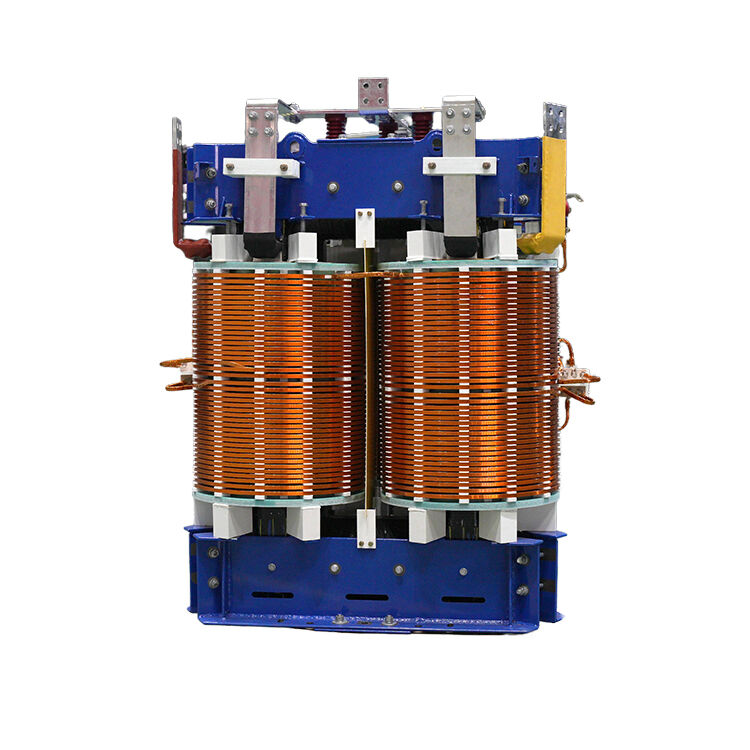
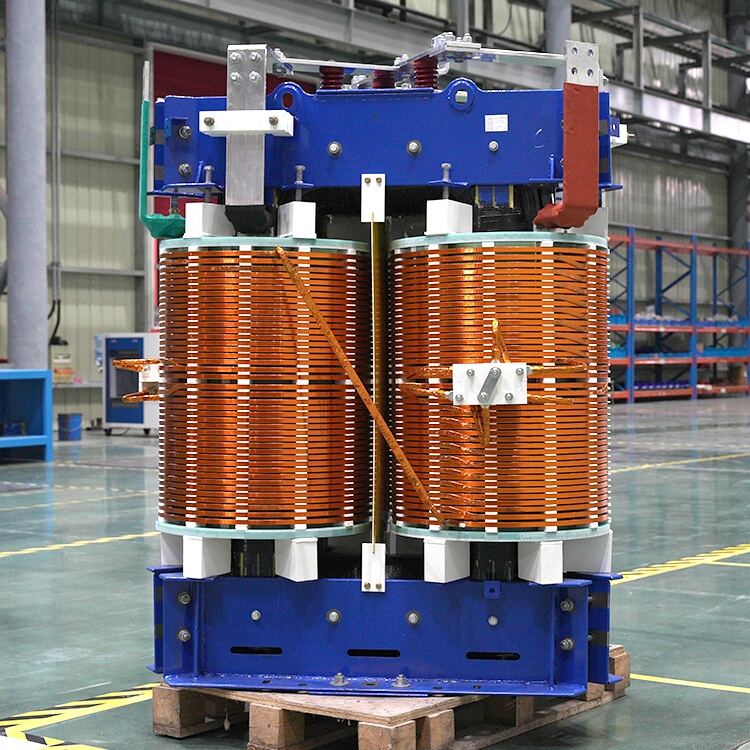
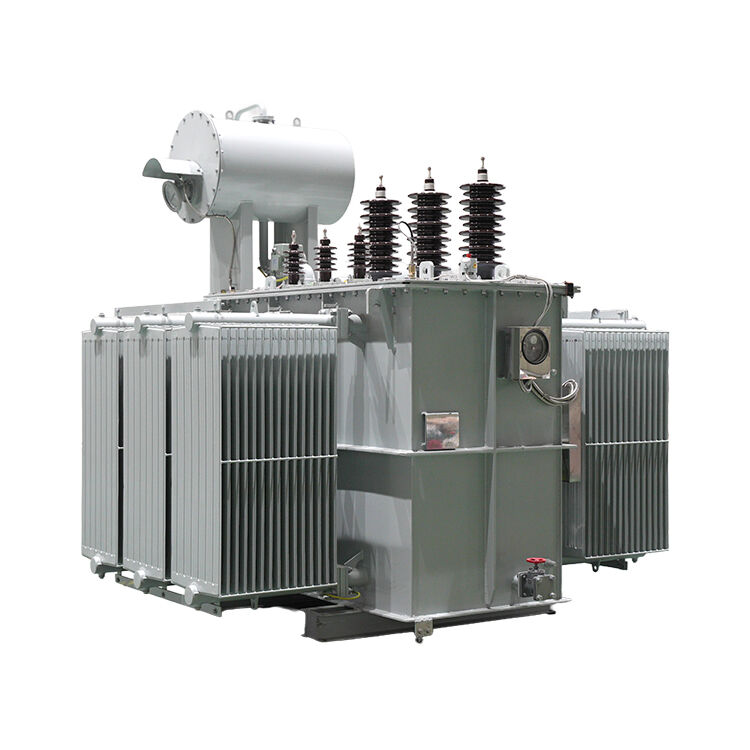
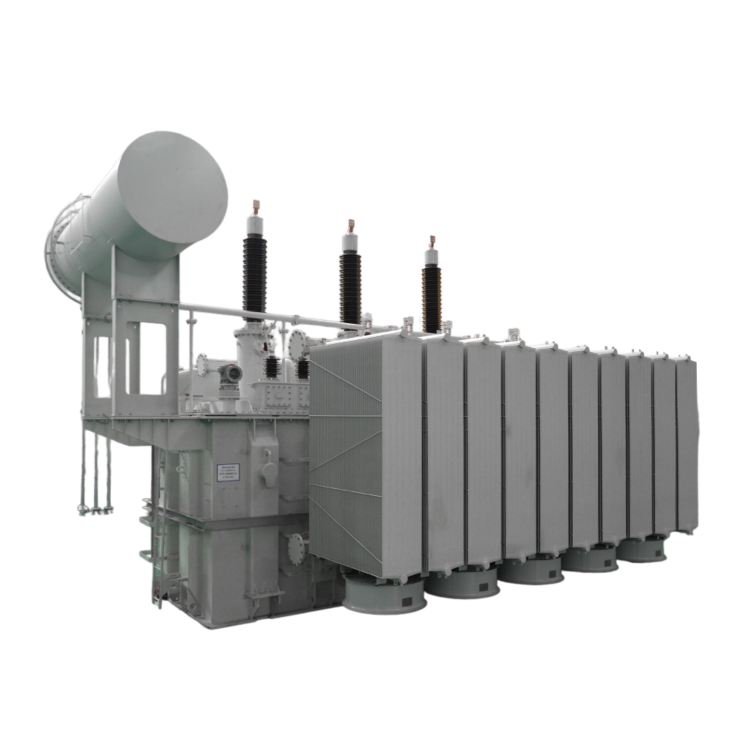
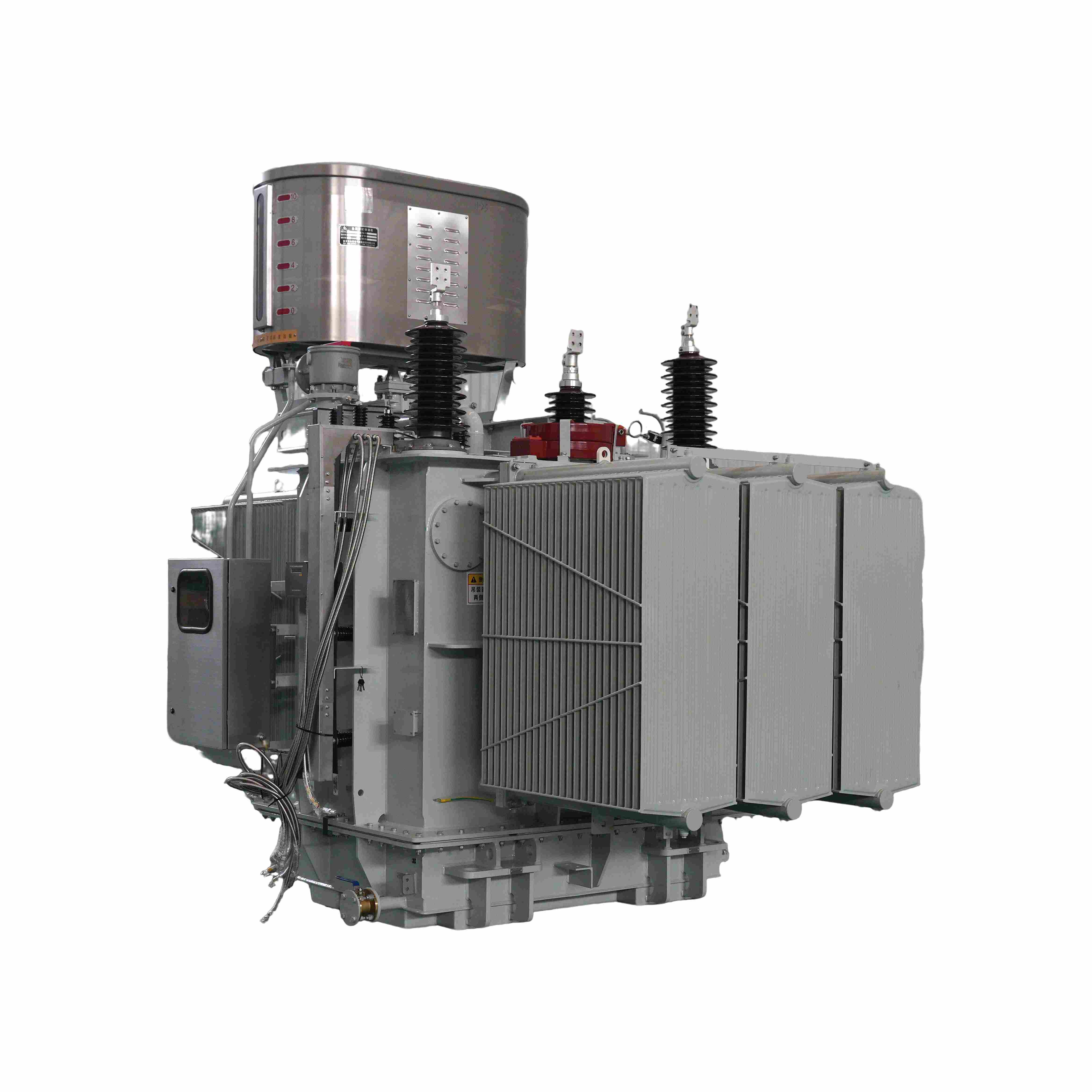
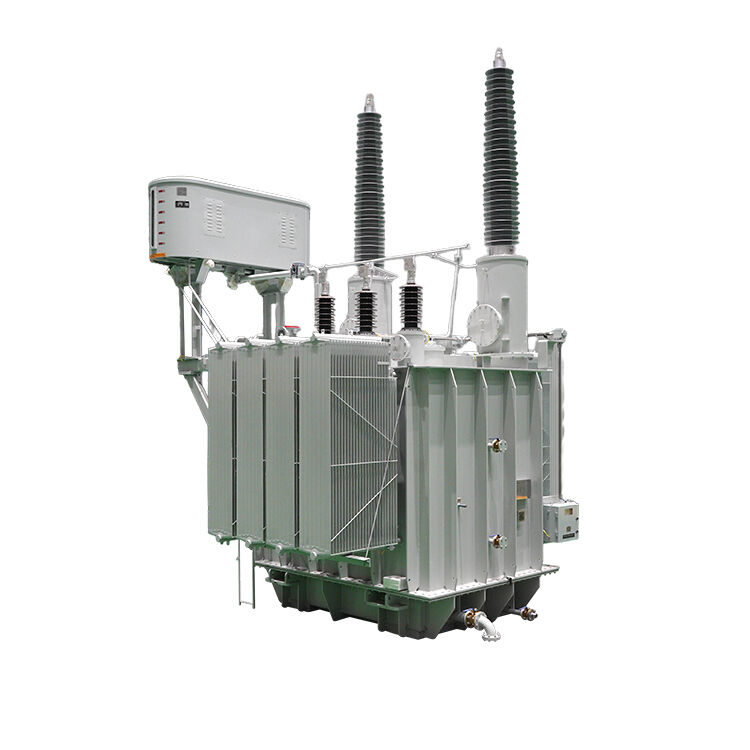
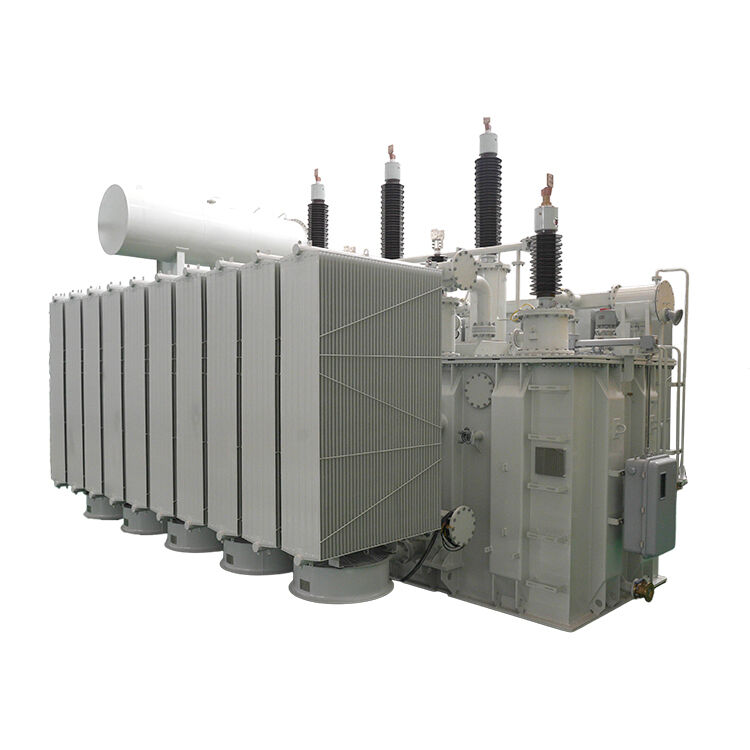
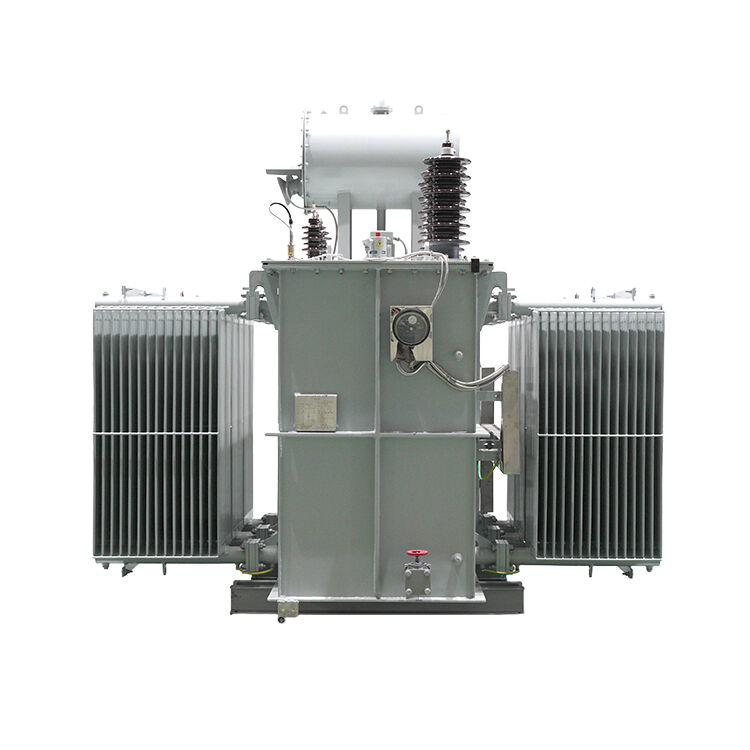
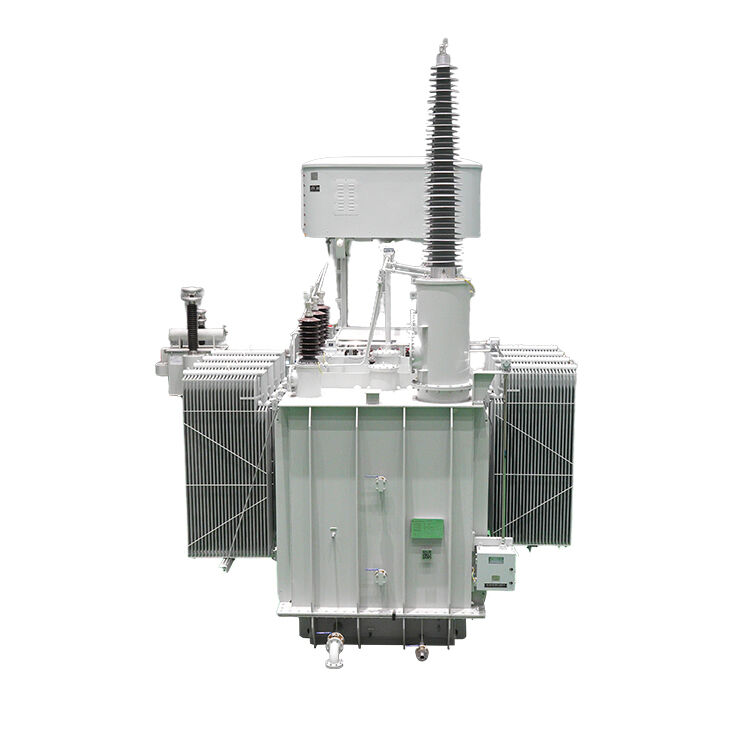
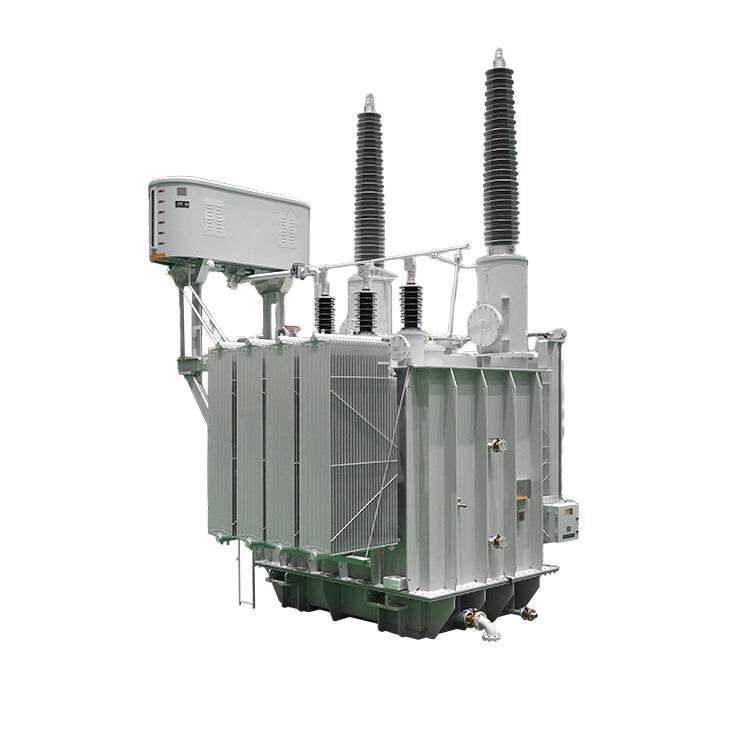
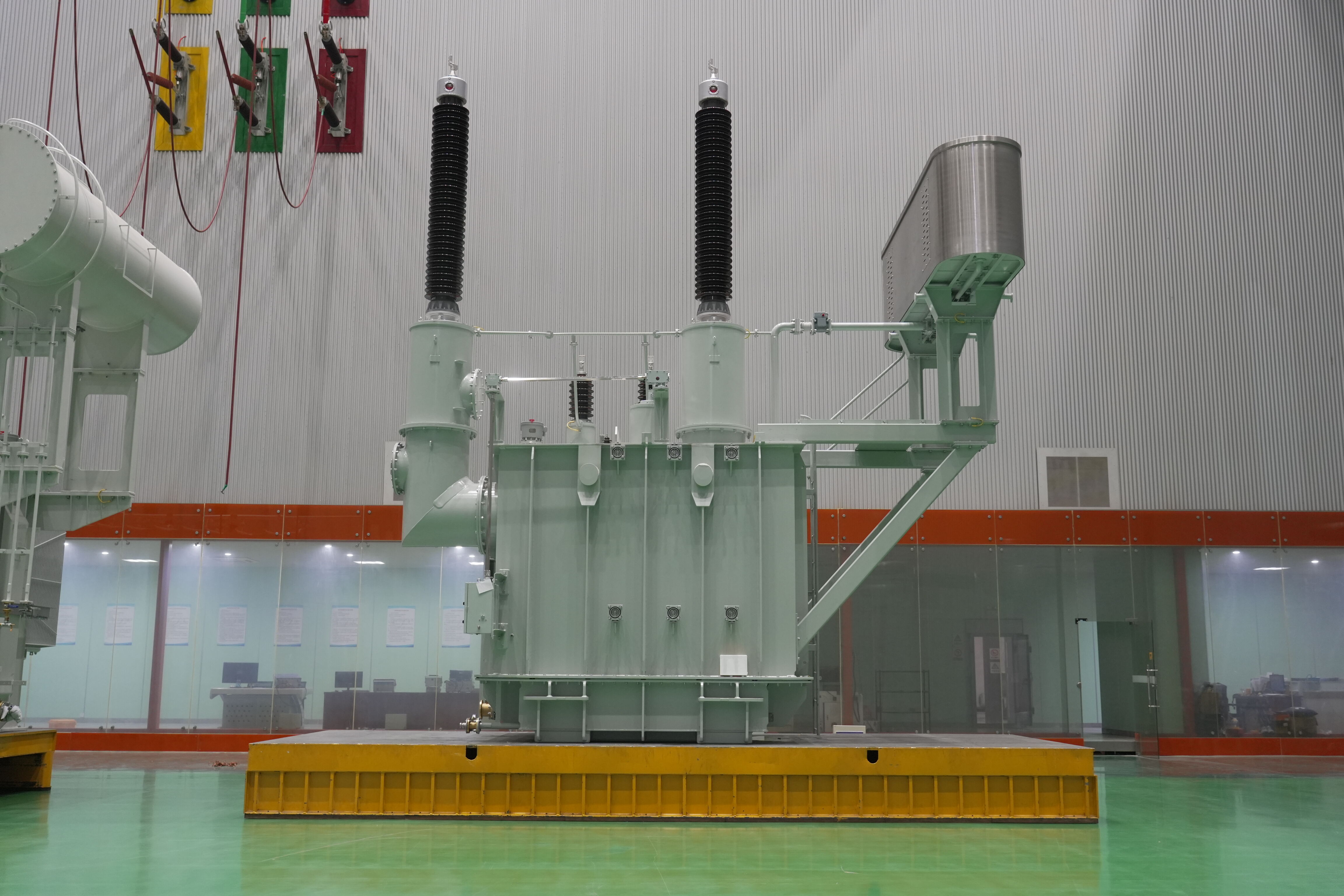
The urban rail traction transformer exemplifies superior reliability engineering through its solid-state construction and advanced materials that eliminate common failure modes associated with traditional electrical equipment. This reliability advantage stems from the absence of moving parts, mechanical contacts, or consumable components that typically require regular replacement in other electrical systems. The transformer utilizes high-temperature-rated insulation materials and corrosion-resistant conductors that maintain performance integrity throughout extended service periods, often exceeding 30 years of continuous operation with minimal intervention. This exceptional longevity translates to significant cost advantages for transit authorities through reduced replacement cycles and minimized service disruptions. The robust construction incorporates multiple layers of protection against environmental factors commonly encountered in urban rail applications, including moisture, salt spray, electromagnetic interference, and mechanical vibration. Sealed enclosures with ingress protection ratings of IP65 or higher prevent contamination while maintaining optimal internal conditions for electrical components. Advanced monitoring systems continuously assess transformer health through real-time measurement of key operational parameters including temperature, vibration levels, and electrical performance characteristics. These monitoring capabilities enable predictive maintenance strategies that identify potential issues before they result in service failures, allowing maintenance teams to schedule interventions during planned downtime periods. The urban rail traction transformer incorporates self-diagnostic features that automatically detect and report anomalous conditions, facilitating rapid response to potential problems and minimizing unplanned maintenance events. Redundant protection systems provide multiple layers of fault detection and isolation, ensuring safe operation even under abnormal conditions. The standardized design platform simplifies spare parts inventory management and reduces training requirements for maintenance personnel. Quick-disconnect electrical connections and modular component arrangements minimize maintenance time and complexity, reducing both direct labor costs and opportunity costs associated with vehicle downtime. Field-proven designs undergo extensive testing and validation programs that verify performance under simulated operational conditions, ensuring reliable service from initial installation. The combination of inherent reliability, predictive maintenance capabilities, and simplified service procedures creates a maintenance profile that significantly reduces total cost of ownership while maximizing vehicle availability for revenue service.
 EN
EN