Epoxy Encapsulated Transformers: Superior Protection, Compact Design & Enhanced Safety Solutions

Get a Free Quote

Our representative will contact you soon.
Email
WhatsApp/Mobile
Name
Company Name
Message
0/1000

epoxy encapsulated transformer

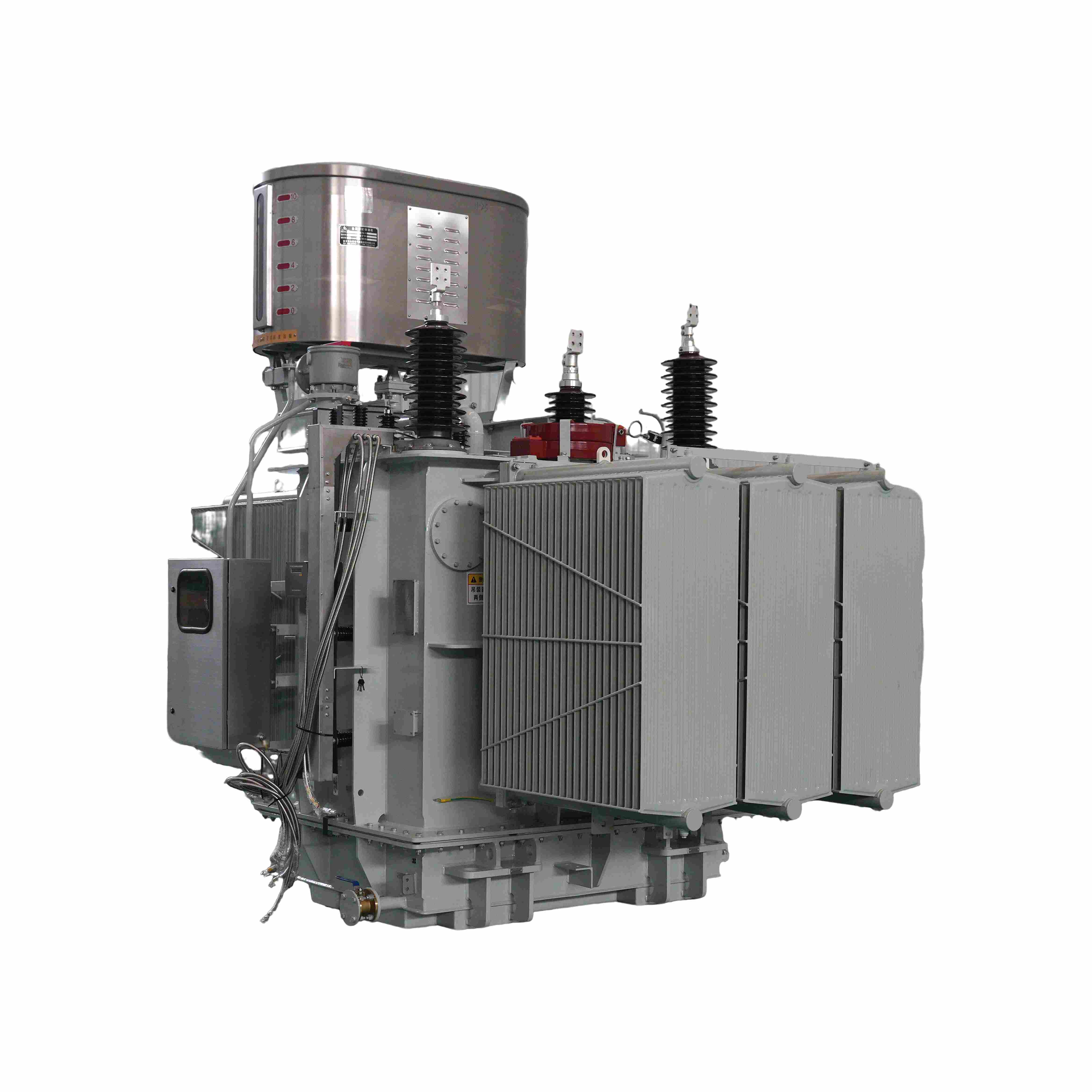
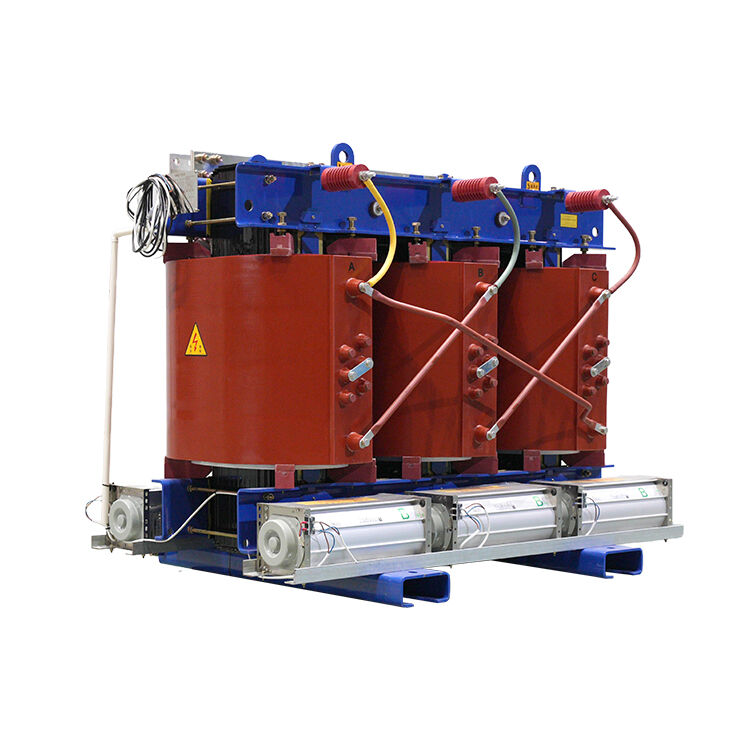
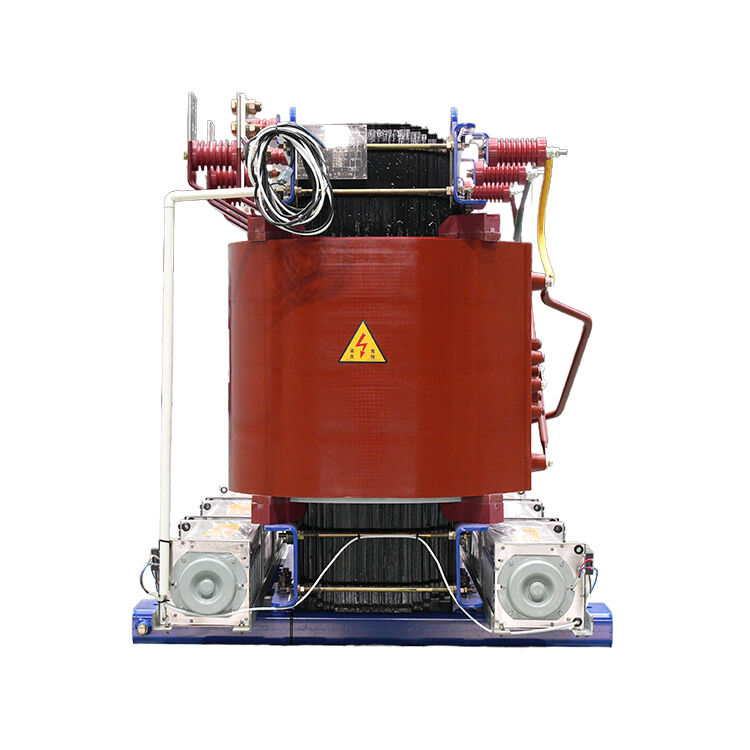
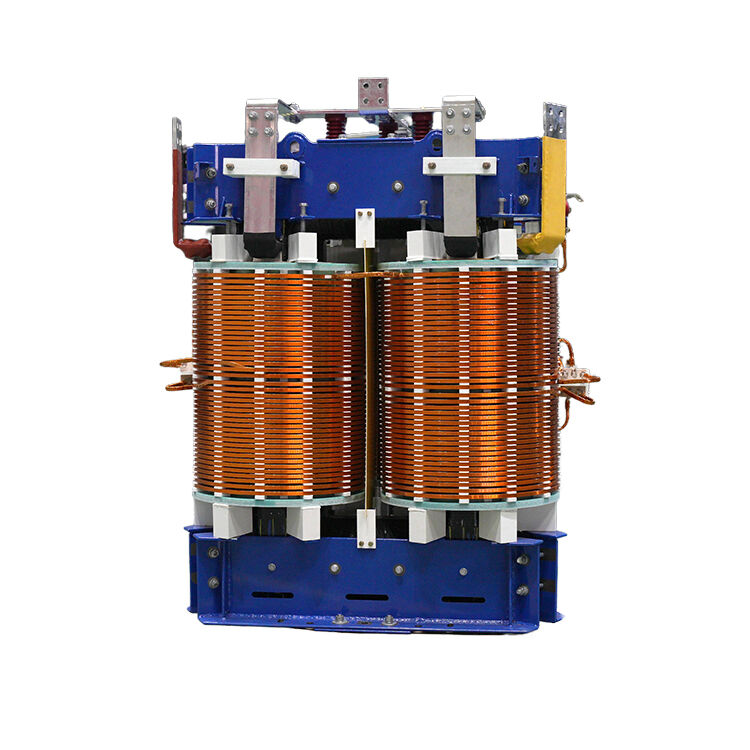
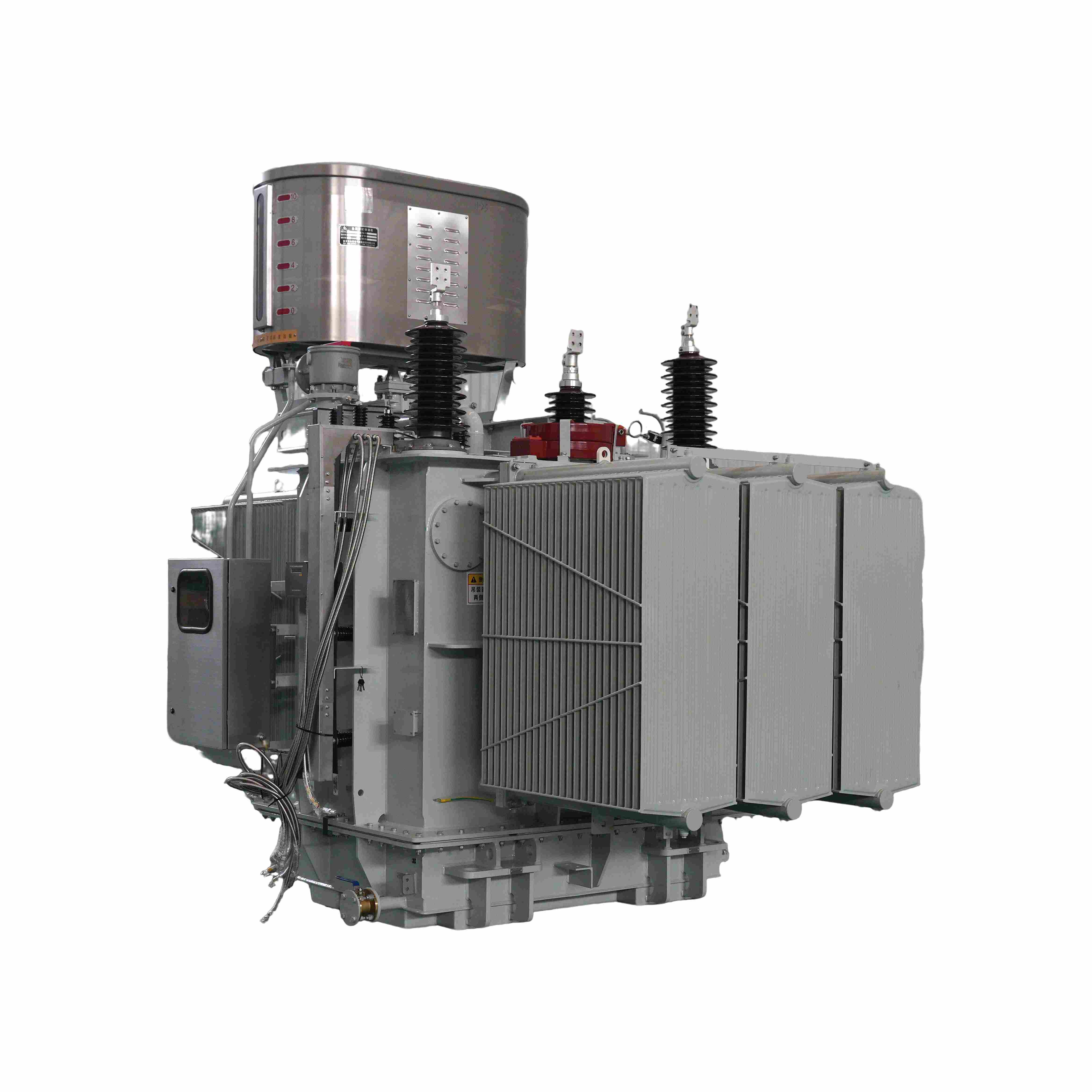
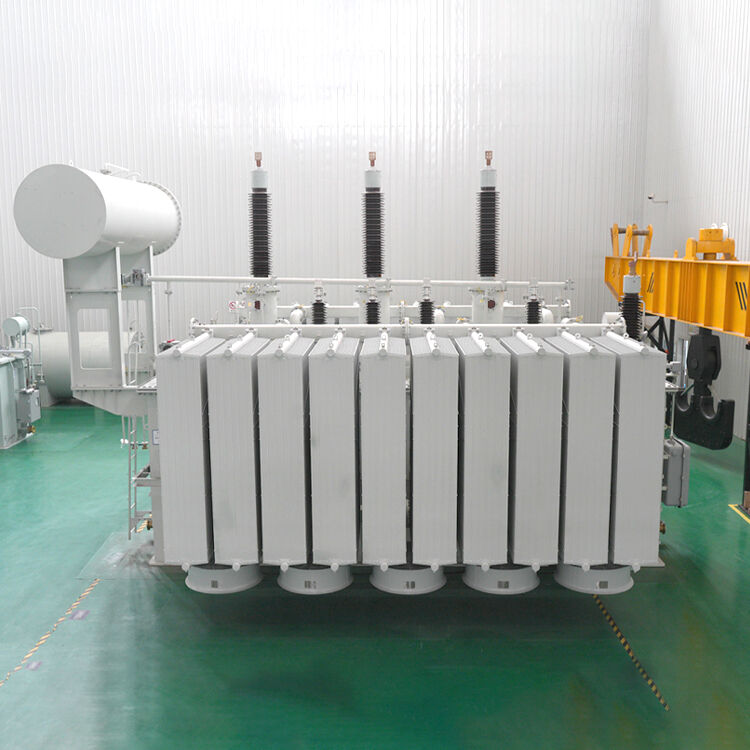
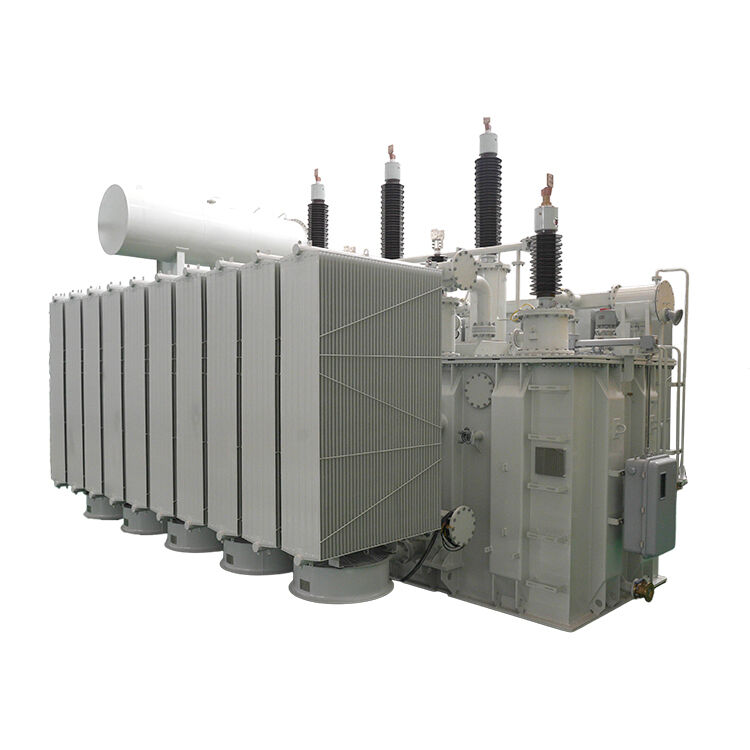
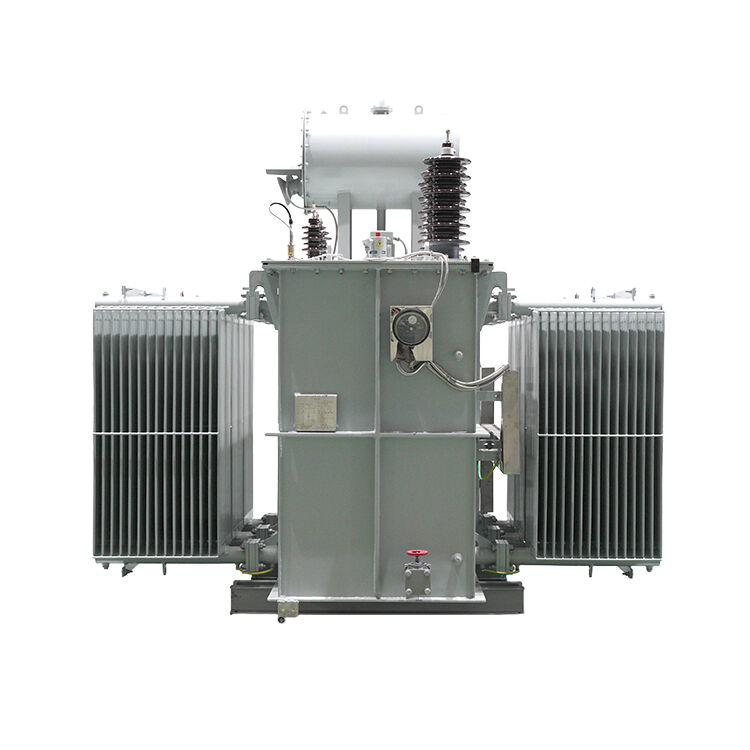
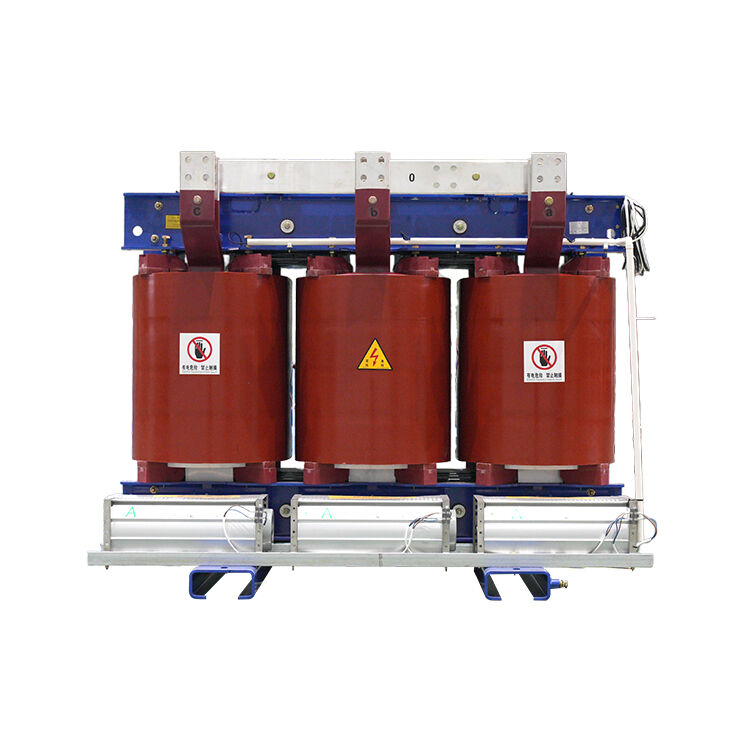
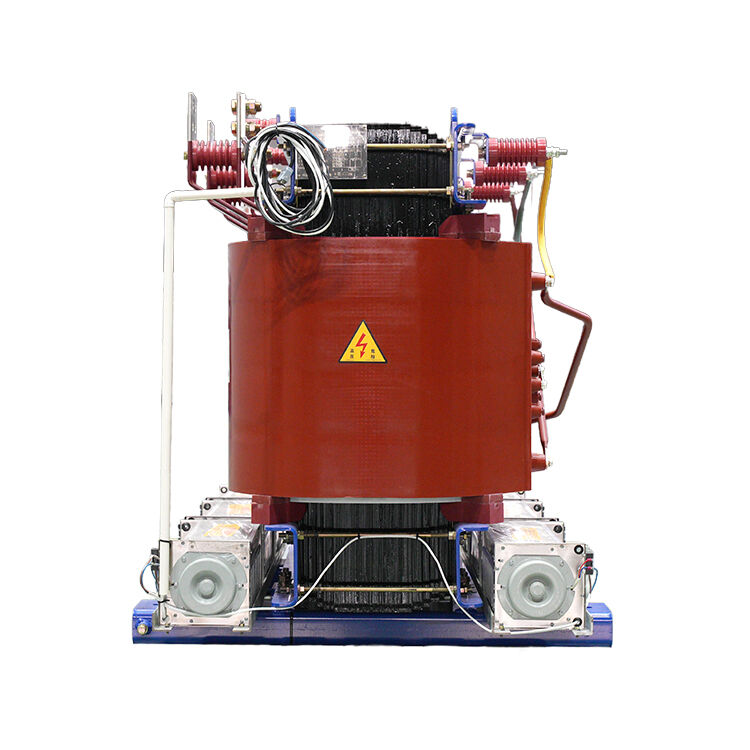
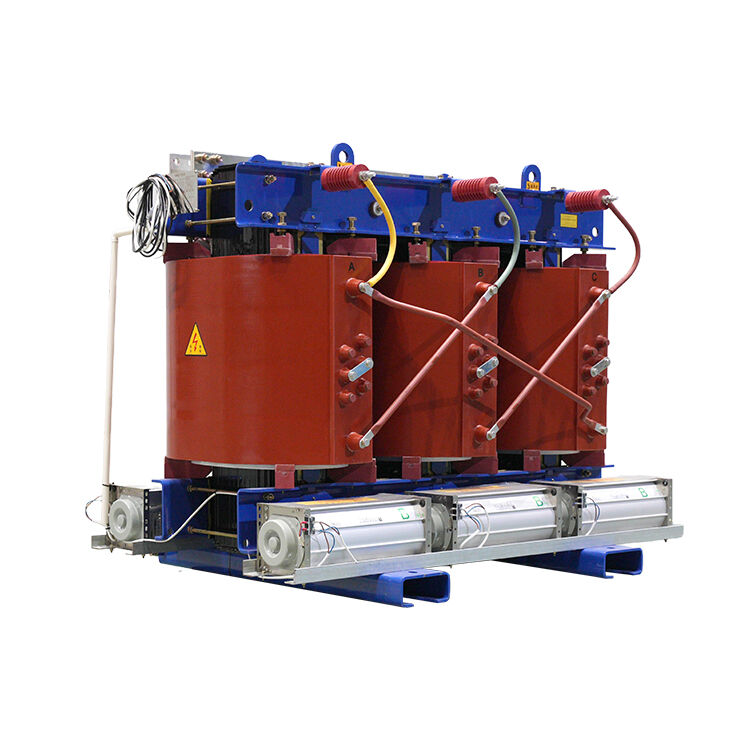
An epoxy encapsulated transformer represents a sophisticated electrical component that combines traditional transformer functionality with advanced protective encapsulation technology. This specialized transformer type features complete immersion in high-grade epoxy resin, creating a robust protective barrier around the core windings and electrical components. The epoxy encapsulation process involves carefully applying liquid epoxy resin under controlled conditions, ensuring complete penetration and coverage of all internal elements. Once cured, this creates a solid, moisture-resistant shell that significantly enhances the transformer's durability and operational reliability. The primary function of an epoxy encapsulated transformer remains consistent with standard transformers - converting electrical energy between different voltage levels through electromagnetic induction. However, the epoxy coating provides exceptional protection against environmental hazards including moisture, dust, chemicals, and physical damage. These transformers typically operate across various voltage ranges, from low-voltage applications in consumer electronics to medium-voltage industrial systems. The encapsulation process utilizes specially formulated epoxy compounds that maintain excellent dielectric properties while providing superior mechanical strength. Manufacturing involves precise temperature control during the curing process to ensure optimal material properties and dimensional stability. The resulting product exhibits enhanced insulation characteristics, reduced electromagnetic interference, and improved thermal management capabilities. Applications span numerous industries including renewable energy systems, industrial automation, medical equipment, telecommunications infrastructure, and power distribution networks. The compact design achieved through epoxy encapsulation makes these transformers particularly suitable for space-constrained installations where traditional oil-filled or air-cooled units would be impractical. Quality epoxy encapsulated transformers undergo rigorous testing procedures including dielectric strength verification, thermal cycling assessments, and environmental resistance evaluations to ensure consistent performance across diverse operating conditions and extended service life requirements.

New Product Releases

The epoxy encapsulated transformer delivers remarkable moisture protection that surpasses conventional transformer designs by creating an impermeable barrier against water ingress and humidity exposure. This superior moisture resistance prevents internal corrosion, insulation degradation, and electrical failures commonly associated with traditional transformers in challenging environments. The solid epoxy shell eliminates the risk of oil leaks that plague oil-filled transformers, making these units environmentally friendly and maintenance-free for extended periods. Installation becomes significantly simpler because epoxy encapsulated transformers require no special containment systems, oil level monitoring, or leak detection equipment that traditional units demand. The compact footprint achieved through epoxy encapsulation reduces space requirements by up to thirty percent compared to equivalent oil-filled transformers, making them ideal for urban installations and retrofit projects where space constraints exist. Fire safety improves dramatically since epoxy materials exhibit superior flame-retardant properties and produce no flammable vapors, reducing insurance costs and meeting stringent safety regulations in commercial buildings and industrial facilities. The maintenance requirements drop substantially because epoxy encapsulated transformers eliminate oil changes, gasket replacements, and moisture monitoring typically required with conventional designs. Operating costs decrease through improved efficiency ratings and reduced heat generation, while the sealed construction prevents contamination that could compromise performance over time. Temperature stability remains consistent across varying environmental conditions due to the thermal properties of quality epoxy formulations that dissipate heat effectively while maintaining structural integrity. The robust construction withstands mechanical vibrations, seismic activity, and transportation stresses better than fragile oil-filled alternatives. Noise levels significantly reduce because the solid epoxy dampens electromagnetic vibrations that create audible disturbances in traditional transformers. Environmental compliance becomes easier since these units contain no hazardous fluids requiring special disposal procedures, supporting sustainability initiatives and reducing regulatory compliance costs. The predictable lifespan exceeds twenty-five years under normal operating conditions, providing excellent return on investment through reduced replacement frequency and consistent performance throughout the service life.

Practical Tips

What Is a Transformer and How Does It Improve Power System Efficiency?

02

Jan

What Is a Transformer and How Does It Improve Power System Efficiency?

A transformer represents one of the most critical components in modern electrical power systems, serving as the backbone for efficient energy transmission and distribution across vast networks. These electromagnetic devices enable the seamless conver...
View More
How Does a Transformer Work in High Voltage Power Transmission?

08

Jan

How Does a Transformer Work in High Voltage Power Transmission?

High voltage power transmission systems form the backbone of modern electrical grids, enabling electricity to travel efficiently across vast distances. At the heart of these complex networks lies the power transformer, a crucial piece of equipment th...
View More
How Do Transformers Support Grid Stability in Large-Scale Power Networks?

20

Jan

How Do Transformers Support Grid Stability in Large-Scale Power Networks?

Large-scale power networks form the backbone of modern electrical infrastructure, requiring sophisticated equipment to maintain stability and reliability across vast geographical areas. Power transformers play a crucial role in these complex systems ...
View More
What Should Utilities Consider When Selecting a Transformer Supplier?

26

Jan

What Should Utilities Consider When Selecting a Transformer Supplier?

Selecting the right supplier for power infrastructure represents one of the most critical decisions utility companies face in today's rapidly evolving energy landscape. The process of choosing a power transformer supplier requires careful evaluation ...
View More

Get a Free Quote

Our representative will contact you soon.
Email
WhatsApp/Mobile
Name
Company Name
Message
0/1000

epoxy encapsulated transformer

Superior Environmental Protection and Reliability

Superior Environmental Protection and Reliability

The epoxy encapsulated transformer delivers unmatched environmental protection through its innovative solid resin construction that creates an impenetrable barrier against moisture, dust, chemicals, and physical contamination. This comprehensive protection system represents a fundamental advancement over traditional transformer designs that rely on oil-filled tanks or basic insulation systems vulnerable to environmental degradation. The high-performance epoxy resin undergoes careful selection and testing to ensure optimal dielectric properties, thermal stability, and mechanical strength under diverse operating conditions. Manufacturing processes involve vacuum impregnation techniques that eliminate air pockets and ensure complete encapsulation of all internal components, creating a monolithic structure that maintains integrity even under extreme temperature fluctuations and mechanical stress. The resulting transformer exhibits exceptional resistance to corrosive atmospheres, salt spray exposure, and industrial pollutants that commonly cause premature failure in conventional units. This environmental immunity extends operational life significantly, with properly maintained epoxy encapsulated transformers achieving service lives exceeding twenty-five years in harsh industrial environments where traditional transformers might fail within ten years. The sealed construction prevents moisture ingress that causes insulation breakdown, core corrosion, and winding deterioration - common failure modes in standard transformers. Additionally, the solid epoxy matrix provides superior mechanical support for internal windings, reducing stress concentrations and preventing mechanical damage during transportation, installation, and operation. Quality control measures during manufacturing include comprehensive environmental testing protocols that verify performance under extreme temperature cycling, humidity exposure, and chemical resistance standards. This rigorous testing ensures that each epoxy encapsulated transformer meets demanding reliability requirements for critical applications where unplanned outages carry significant costs. The environmental protection extends beyond basic weather resistance to include protection against rodents, insects, and vegetation that can compromise transformer performance in outdoor installations, making these units particularly valuable for remote locations and unmanned facilities.

Compact Design and Space-Saving Installation Benefits

Compact Design and Space-Saving Installation Benefits

The epoxy encapsulated transformer achieves remarkable space efficiency through its innovative design that eliminates the bulky external components required by traditional transformer configurations. This compact architecture results from the elimination of oil-filled tanks, cooling systems, and protective enclosures that typically increase transformer footprint by fifty to seventy percent compared to the core electrical components. The solid epoxy construction allows designers to optimize the internal layout, positioning windings and core materials more efficiently while maintaining required electrical clearances and insulation distances. This design optimization translates directly into reduced installation space requirements, making epoxy encapsulated transformers ideal for urban environments, basement installations, and retrofit applications where space constraints limit equipment options. The reduced footprint enables installation in standard electrical rooms without costly building modifications or expansion projects that traditional large transformers might necessitate. Weight reduction represents another significant advantage, with epoxy encapsulated transformers typically weighing thirty to forty percent less than equivalent oil-filled units, simplifying transportation logistics and reducing structural support requirements for elevated installations. The compact design eliminates the need for oil containment systems, fire suppression equipment, and specialized ventilation systems required for traditional transformers, further reducing the total installation footprint and associated costs. Modular construction possibilities emerge from the compact design, allowing system designers to deploy multiple smaller epoxy encapsulated transformers instead of single large units, providing redundancy benefits and improved system flexibility. The streamlined exterior profile facilitates integration with modern electrical equipment and control systems, supporting contemporary substation designs that emphasize efficiency and aesthetic considerations. Installation time decreases significantly because epoxy encapsulated transformers arrive as complete, sealed units requiring only electrical connections and basic mounting procedures, eliminating the complex commissioning processes associated with oil-filled transformers that require oil quality testing, moisture removal, and system pressurization. The compact design also supports indoor installation without special ventilation requirements, enabling placement in climate-controlled environments that optimize equipment life and performance consistency.
Enhanced Safety Features and Reduced Fire Risk

Enhanced Safety Features and Reduced Fire Risk

The epoxy encapsulated transformer incorporates advanced safety features that significantly reduce fire risks and improve personnel protection compared to traditional oil-filled transformer designs. The fundamental safety advantage stems from the elimination of flammable insulating oil that poses fire and explosion hazards in conventional transformers, particularly during fault conditions or mechanical damage. Quality epoxy resins exhibit superior flame-retardant properties, meeting stringent fire safety standards including UL94 V-0 ratings that indicate minimal flame spread and self-extinguishing characteristics when exposed to ignition sources. The solid construction prevents the catastrophic failure modes associated with oil-filled transformers, where internal arcing can create explosive vapor mixtures and sustained fires requiring specialized firefighting techniques and extended evacuation procedures. Emergency response procedures simplify dramatically because epoxy encapsulated transformers contain no hazardous fluids requiring specialized cleanup equipment or environmental remediation measures following incidents. The enhanced safety profile enables installation in locations where traditional transformers would be prohibited, including underground facilities, high-rise buildings, and areas with strict fire codes that limit flammable material quantities. Insurance benefits often result from the improved safety characteristics, with many carriers offering reduced premiums for facilities utilizing epoxy encapsulated transformers instead of oil-filled alternatives. Personnel safety improves through elimination of oil leak hazards that create slip risks and potential skin contact with insulating fluids containing potentially harmful additives. The sealed construction prevents accidental contact with energized components, reducing electrical shock risks during maintenance activities and routine inspections. Fault tolerance increases because the solid epoxy matrix contains internal arcing and prevents fault propagation that might cause cascading failures in adjacent equipment. Environmental safety benefits include elimination of soil and groundwater contamination risks associated with oil leaks from traditional transformers, supporting environmental compliance initiatives and reducing long-term liability concerns. The stable chemical composition of cured epoxy resins ensures that decomposition products remain non-toxic and environmentally benign, even under extreme temperature conditions that might occur during fault scenarios. Safety certification processes for epoxy encapsulated transformers typically involve comprehensive testing protocols that verify performance under fault conditions, ensuring reliable protection system operation and safe failure modes that protect both equipment and personnel.

Get a Free Quote

Our representative will contact you soon.
Email
WhatsApp/Mobile
Name
Company Name
Message
0/1000