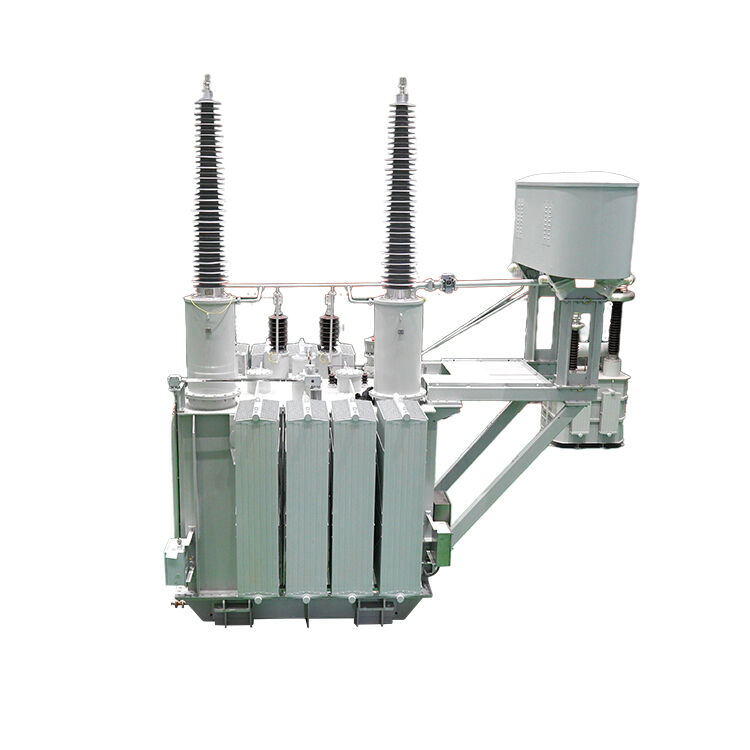
Robust Construction for Demanding Rail Environments
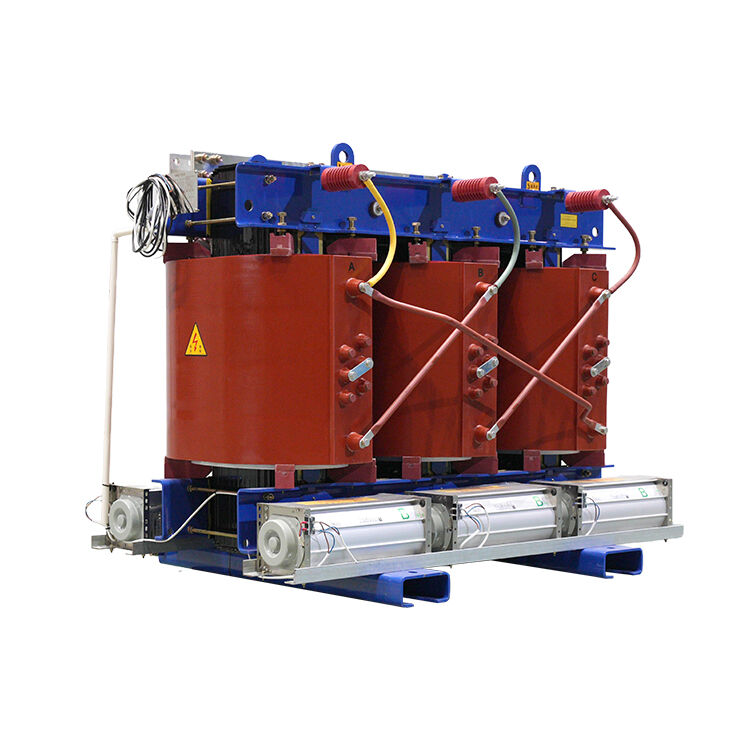
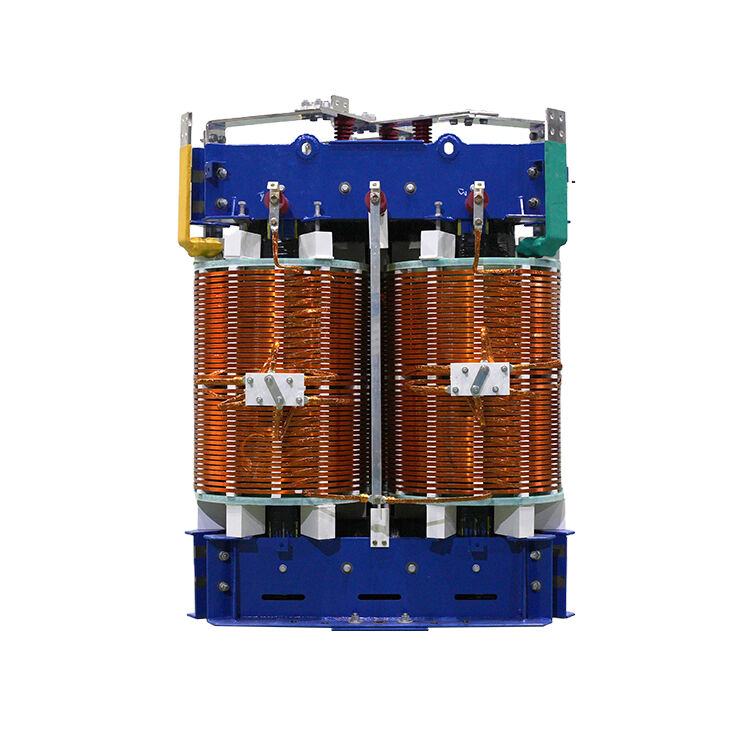
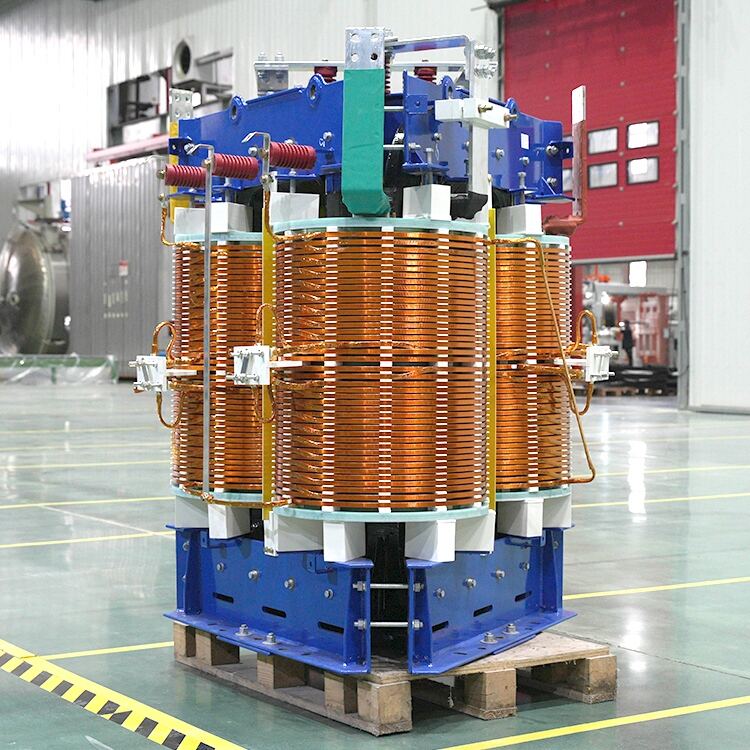
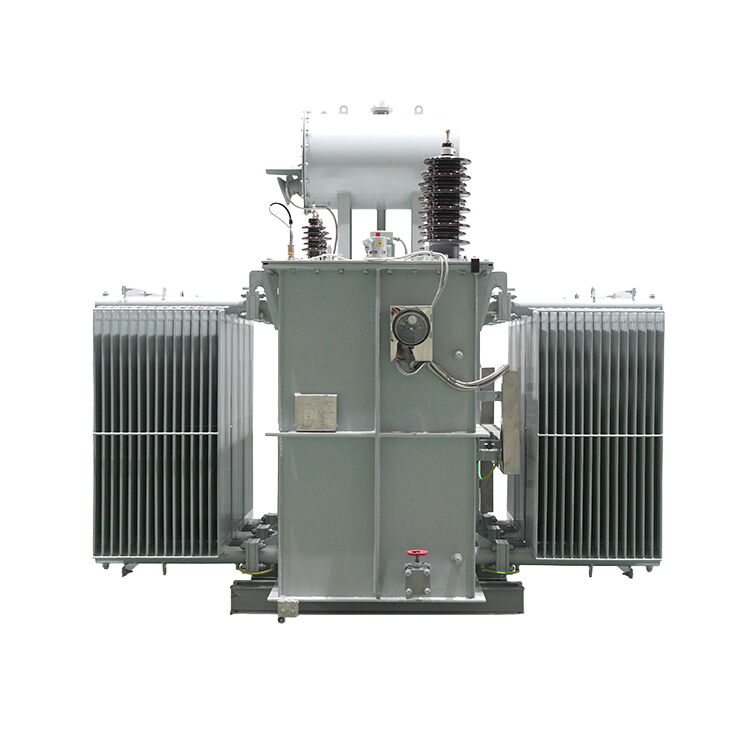
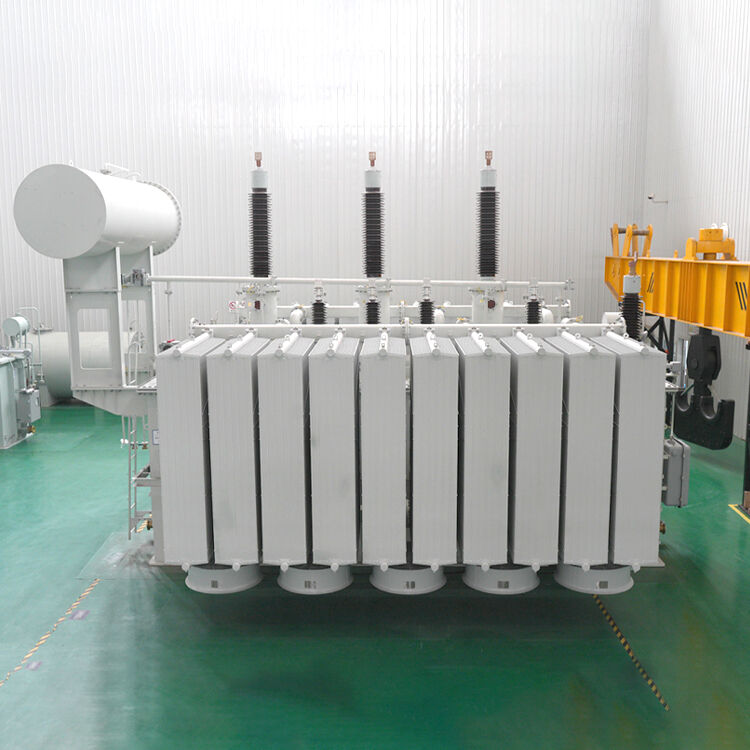
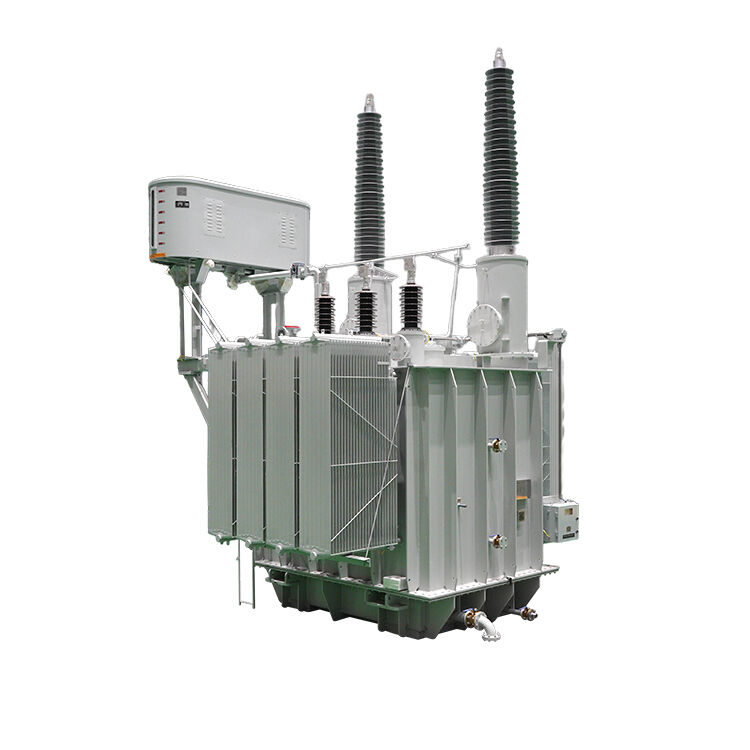
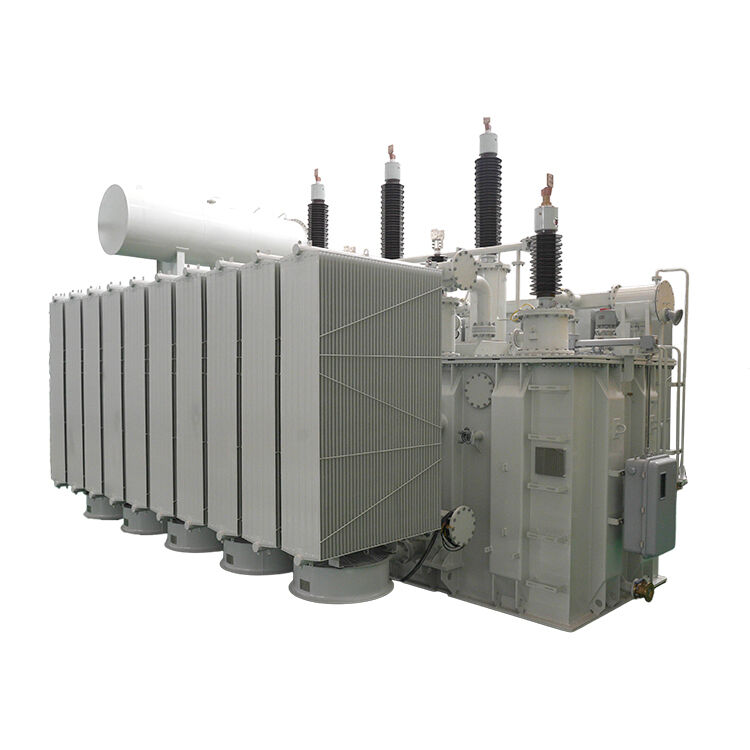
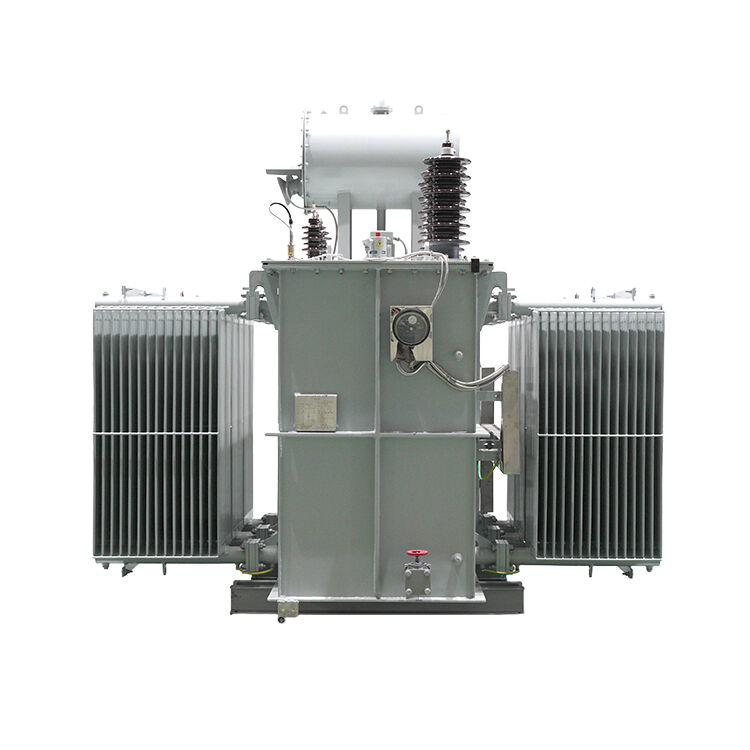
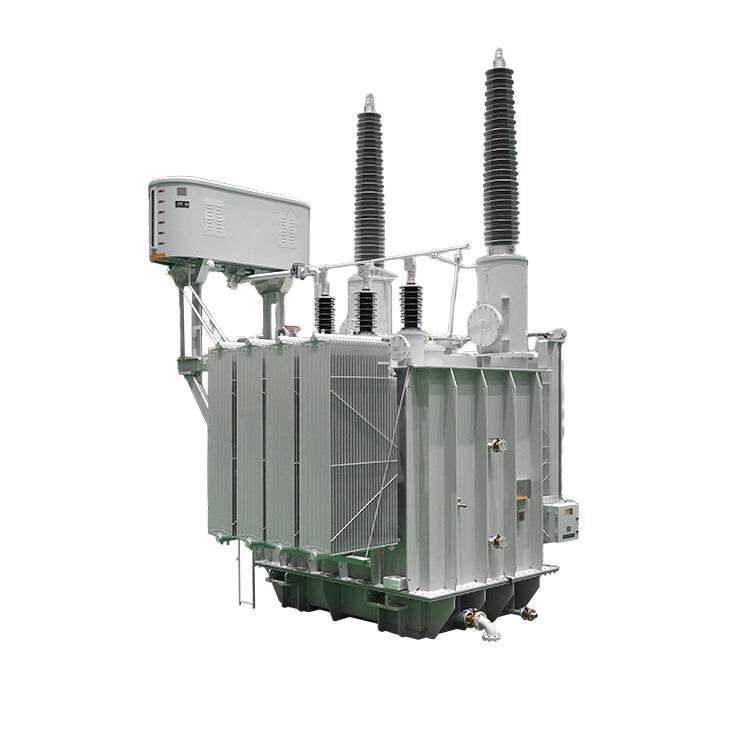
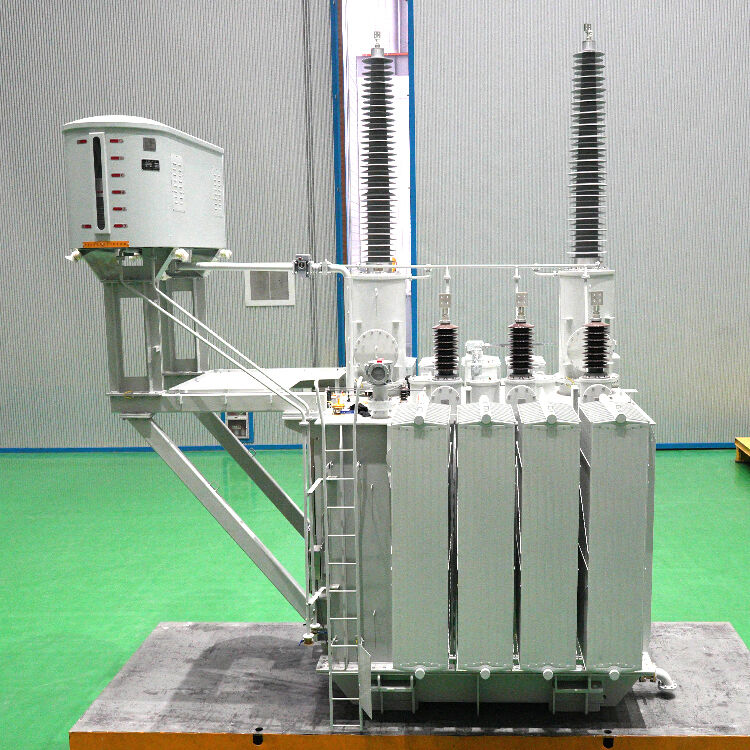
Light rail traction transformer construction emphasizes exceptional durability and reliability essential for continuous operation in challenging transportation environments. The transformer housing utilizes marine-grade aluminum alloy construction with advanced corrosion resistance coatings, ensuring structural integrity throughout decades of service exposure to moisture, salt, vibrations, and temperature cycling. Specialized mounting systems incorporate vibration-damping materials and flexible connections that isolate transformer components from track-induced mechanical stresses while maintaining precise electrical connections. The internal structure features reinforced winding supports, impact-resistant core assemblies, and shock-absorbing materials designed to withstand emergency braking forces and operational dynamics common in urban rail systems. Environmental sealing systems exceed IP65 standards, protecting internal components from dust, moisture, and contaminants while maintaining accessibility for routine maintenance procedures. The rugged design philosophy extends to electrical connections utilizing high-current capacity terminals with enhanced contact materials that resist oxidation and thermal cycling effects. Advanced insulation systems combine multiple dielectric materials optimized for electrical performance and mechanical strength, ensuring safe operation under fault conditions while preventing moisture ingress and contamination. Quality assurance protocols include comprehensive testing under simulated operational conditions including vibration testing, thermal cycling, and electrical stress evaluation exceeding industry standards. This robust construction directly benefits customers through reduced maintenance requirements, extended service intervals, and improved system availability rates that minimize revenue service disruptions. The weatherproof design enables installation in outdoor environments without additional protective enclosures, reducing infrastructure costs and simplifying integration procedures. Standardized component interfaces ensure compatibility with existing rail systems while supporting future upgrades and modifications without extensive reconstruction. The durable construction materials resist ultraviolet degradation, chemical exposure, and mechanical wear, maintaining performance characteristics throughout extended service periods. Emergency protection features include fault-tolerant designs that maintain essential functions during partial system failures, ensuring passenger safety and enabling controlled system shutdown when necessary.
 EN
EN