High Speed Rail Traction Transformer - Advanced Power Solutions for Modern Railways

Get a Free Quote

Our representative will contact you soon.
Email
WhatsApp/Mobile
Name
Company Name
Message
0/1000

high speed rail traction transformer

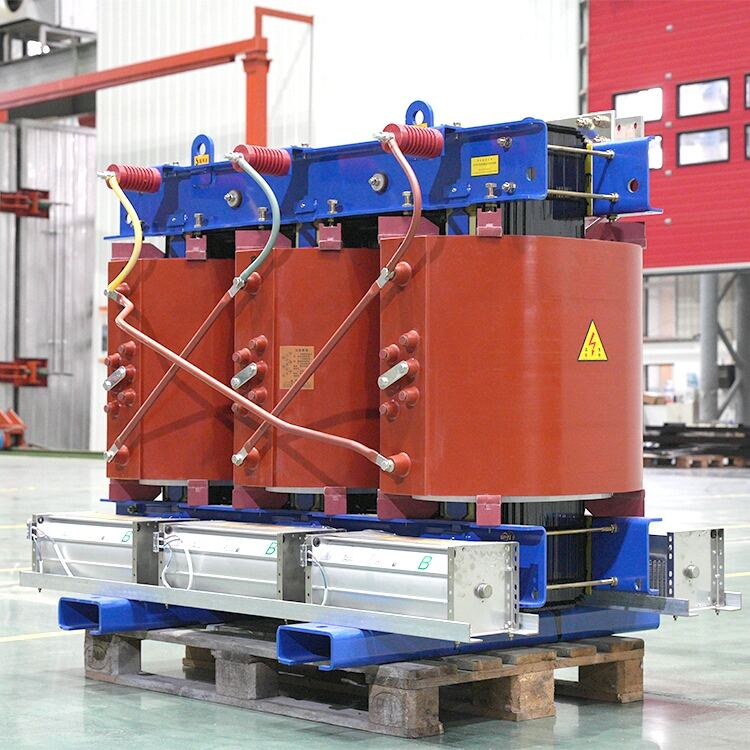
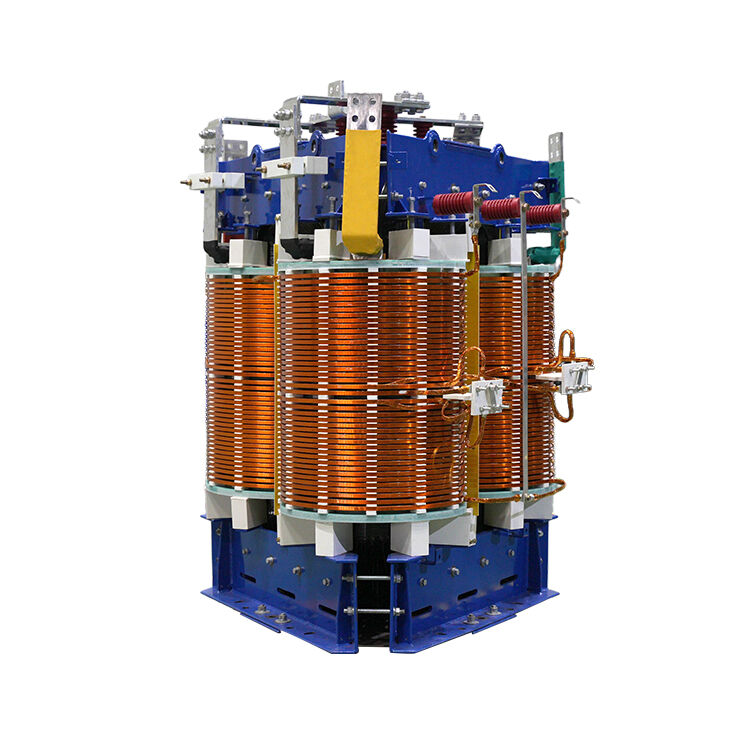
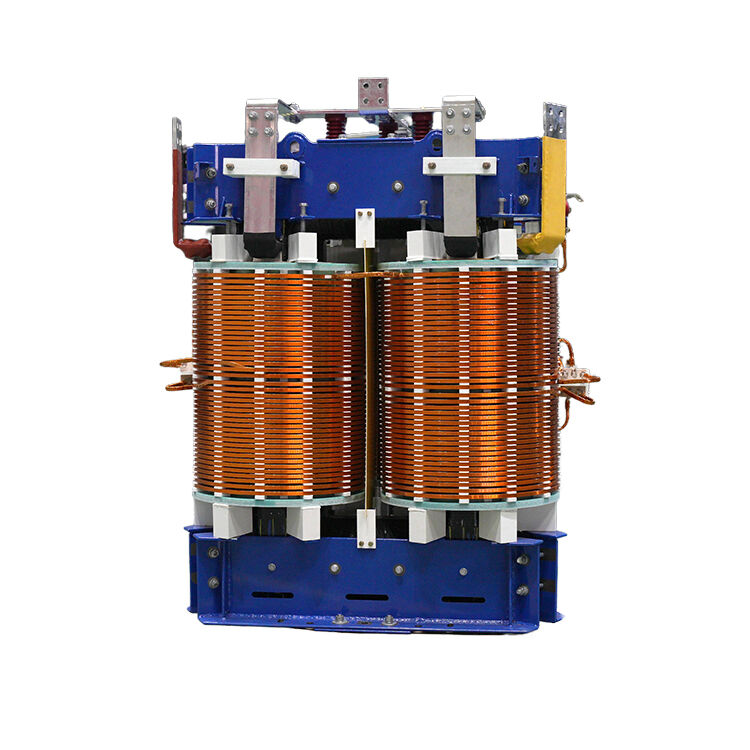
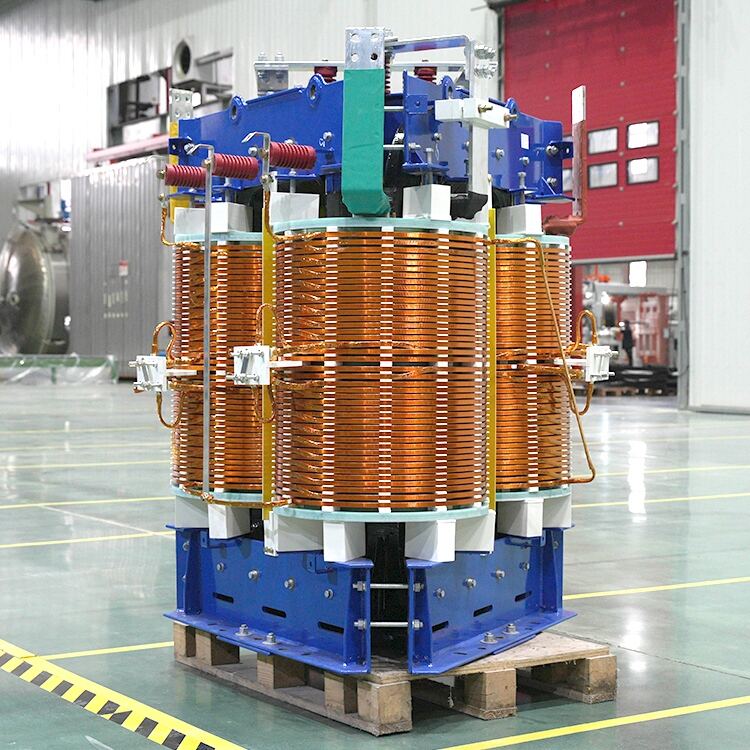
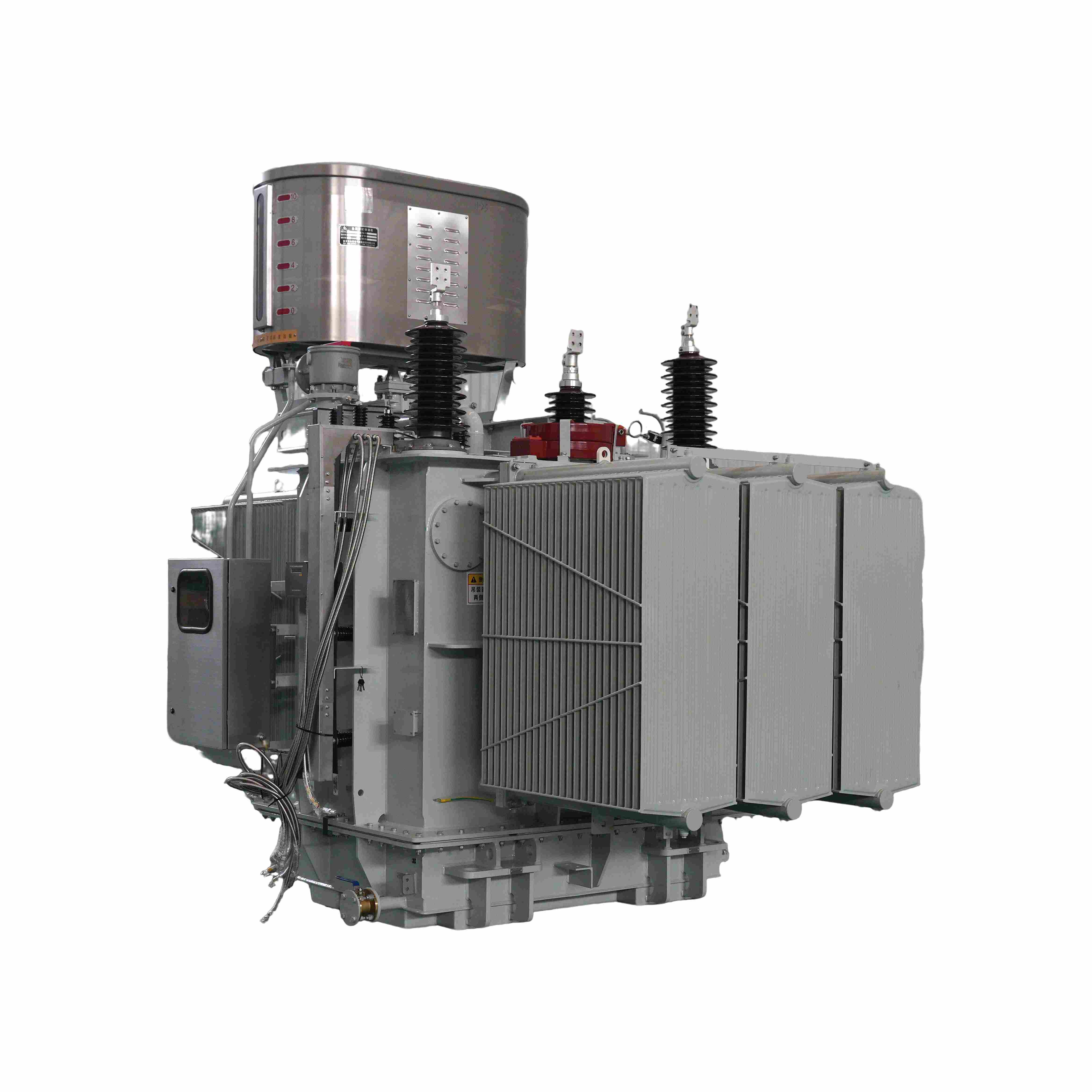
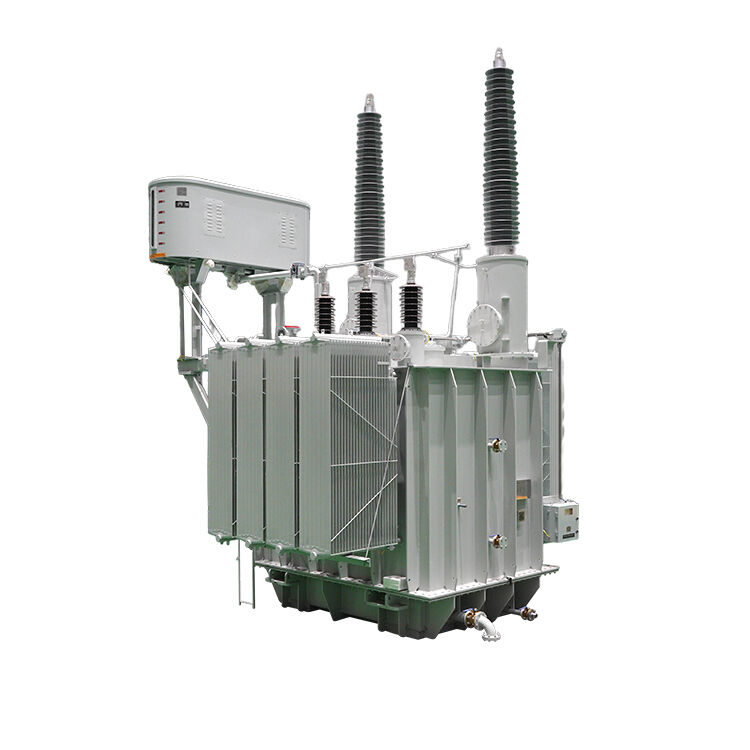
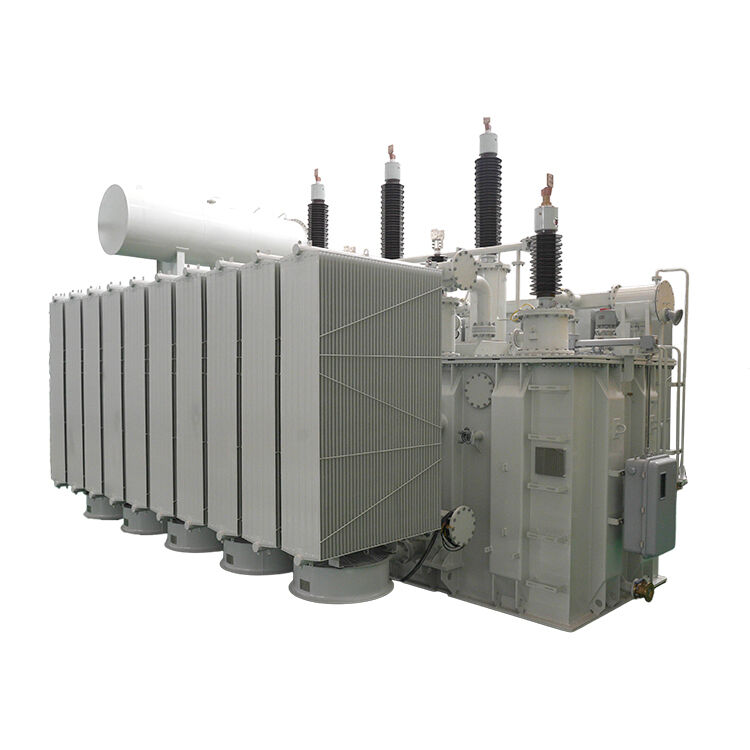
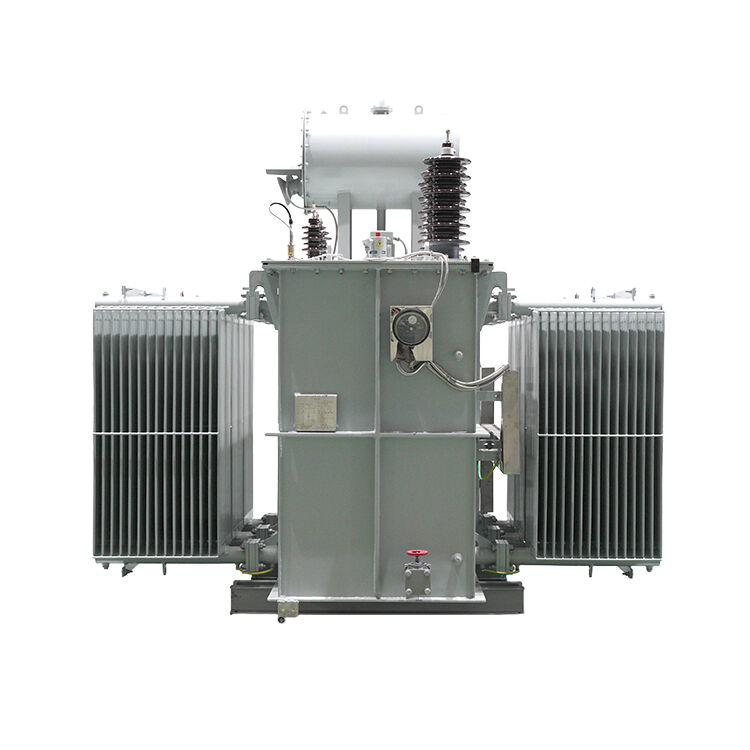
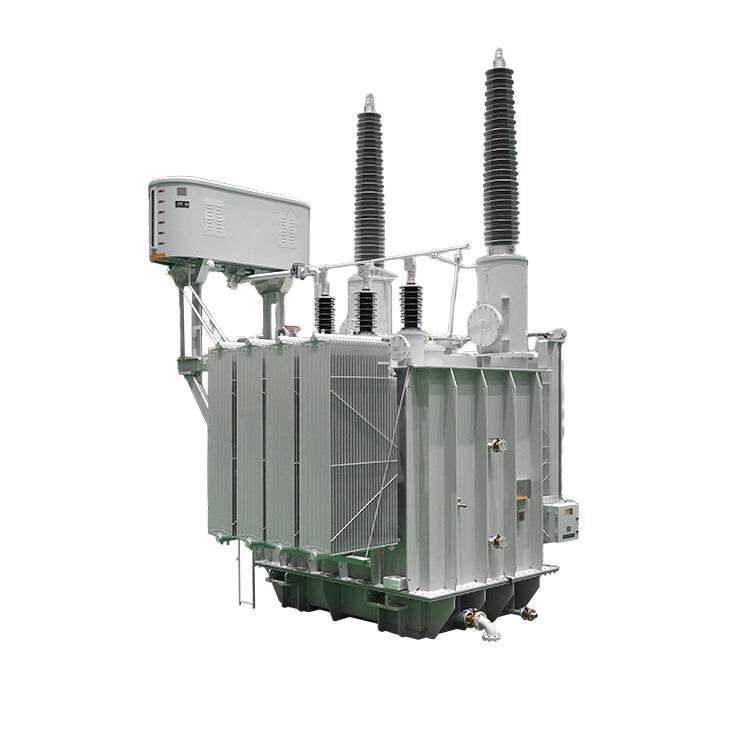
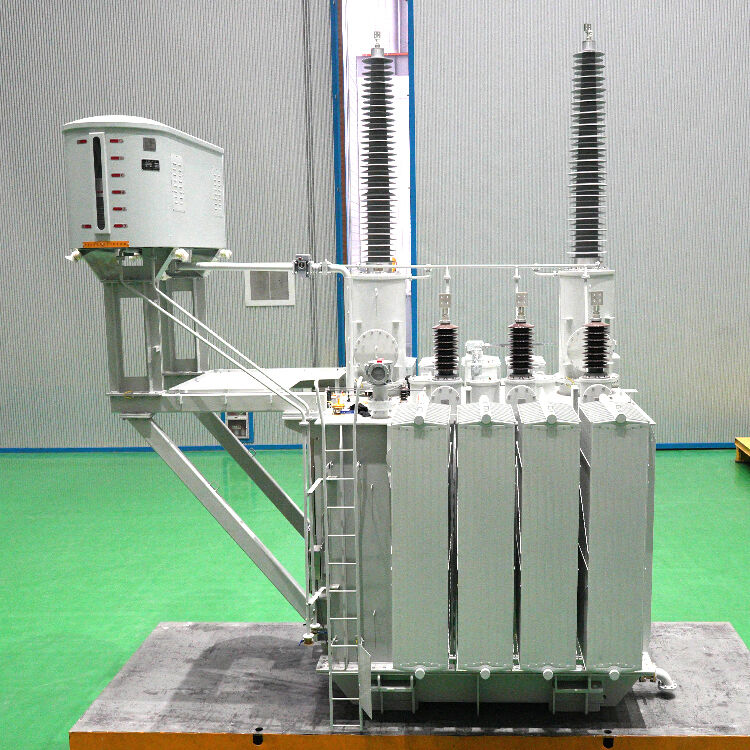
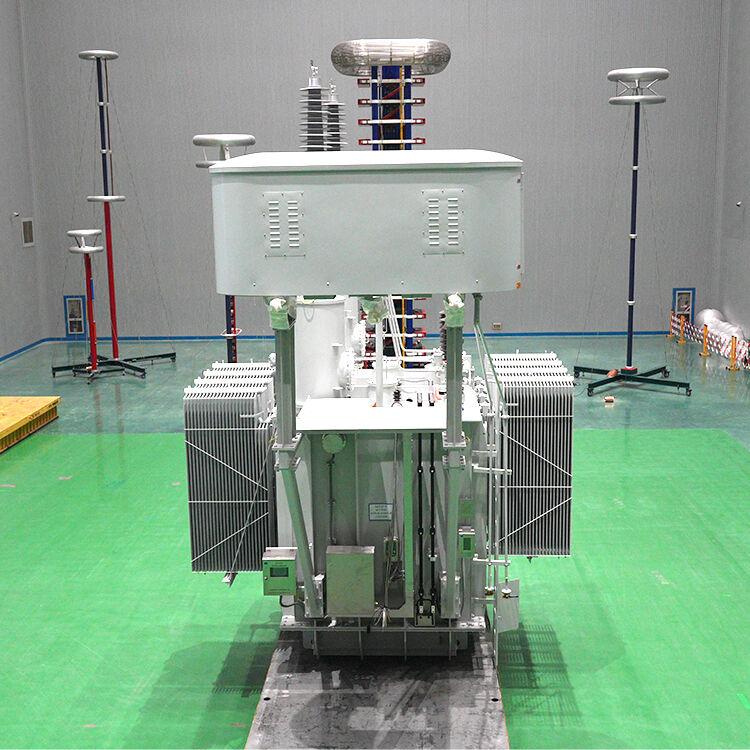
The high speed rail traction transformer serves as the critical power conversion component that enables electric trains to operate efficiently at extraordinary speeds. This sophisticated electrical device converts high-voltage alternating current from overhead power lines into the appropriate voltage levels required by traction motors and auxiliary systems. The high speed rail traction transformer fundamentally transforms electrical energy distribution throughout the entire train system, ensuring optimal performance during high-velocity operations. Modern high speed rail traction transformer designs incorporate advanced magnetic core materials and innovative winding configurations to minimize energy losses while maximizing power density. These transformers typically handle voltage conversions from 15kV or 25kV AC input to various output levels, including 1500V DC for traction motors and lower voltages for lighting, air conditioning, and control systems. The technological features of a high speed rail traction transformer include superior insulation systems capable of withstanding extreme temperature variations and mechanical vibrations encountered during high-speed travel. Advanced cooling mechanisms, often incorporating forced air or liquid cooling systems, maintain optimal operating temperatures even under heavy load conditions. The compact design philosophy ensures maximum power handling capacity within stringent space and weight constraints typical of rail applications. Applications extend beyond passenger high-speed trains to include freight locomotives, urban transit systems, and specialized rail vehicles. The high speed rail traction transformer integrates seamlessly with regenerative braking systems, allowing energy recovery during deceleration phases. Modern units feature digital monitoring capabilities that provide real-time performance data, enabling predictive maintenance strategies. The robust construction withstands environmental challenges including moisture, dust, and electromagnetic interference. These transformers comply with international railway standards and safety regulations, ensuring reliable operation across diverse geographical and climatic conditions while delivering consistent power conversion efficiency exceeding 95 percent in most operational scenarios.

New Products

High speed rail traction transformer technology delivers exceptional reliability that significantly reduces maintenance costs and operational downtime for railway operators. The advanced design eliminates frequent servicing requirements through robust construction and superior component quality, allowing trains to maintain consistent schedules without unexpected interruptions. Energy efficiency represents another major advantage, as modern high speed rail traction transformer units achieve conversion efficiencies exceeding 96 percent, directly translating to substantial cost savings on electricity consumption over the transformer's operational lifetime. The compact footprint maximizes available space within train cars for passenger amenities or cargo capacity, while the lightweight construction reduces overall vehicle weight and improves acceleration performance. Advanced thermal management systems ensure optimal performance across wide temperature ranges, from arctic conditions to desert environments, providing consistent operation regardless of climate challenges. The high speed rail traction transformer incorporates sophisticated protection systems that automatically detect and respond to electrical faults, preventing damage to expensive traction motors and other critical components. Digital monitoring capabilities enable proactive maintenance scheduling based on actual operating conditions rather than arbitrary time intervals, optimizing maintenance budgets and extending equipment lifespan. The modular design facilitates rapid replacement during maintenance windows, minimizing service disruptions and associated revenue losses. Superior electromagnetic compatibility ensures the high speed rail traction transformer operates without interference to onboard communication systems, passenger WiFi networks, or trackside signaling equipment. The regenerative braking compatibility allows energy recovery during deceleration, feeding power back into the electrical grid and further reducing operational costs. Environmental benefits include reduced carbon emissions through improved energy efficiency and the elimination of hazardous materials found in older transformer designs. The standardized interfaces simplify integration with existing rail infrastructure and rolling stock, reducing implementation costs and technical complexity. Long service life, typically exceeding 30 years with proper maintenance, provides excellent return on investment for railway operators. The high speed rail traction transformer supports variable speed operations, enabling trains to optimize energy consumption based on route characteristics and operational requirements while maintaining passenger comfort and schedule adherence.

Practical Tips

What Is a Transformer and How Does It Improve Power System Efficiency?

02

Jan

What Is a Transformer and How Does It Improve Power System Efficiency?

A transformer represents one of the most critical components in modern electrical power systems, serving as the backbone for efficient energy transmission and distribution across vast networks. These electromagnetic devices enable the seamless conver...
View More
Why Are Transformers Critical for Industrial Power Distribution Systems?

14

Jan

Why Are Transformers Critical for Industrial Power Distribution Systems?

Industrial power distribution systems form the backbone of modern manufacturing, commercial facilities, and critical infrastructure operations. At the heart of these complex networks lies a fundamental component that ensures safe, efficient, and reli...
View More
How Do Transformers Support Grid Stability in Large-Scale Power Networks?

20

Jan

How Do Transformers Support Grid Stability in Large-Scale Power Networks?

Large-scale power networks form the backbone of modern electrical infrastructure, requiring sophisticated equipment to maintain stability and reliability across vast geographical areas. Power transformers play a crucial role in these complex systems ...
View More
What Should Utilities Consider When Selecting a Transformer Supplier?

26

Jan

What Should Utilities Consider When Selecting a Transformer Supplier?

Selecting the right supplier for power infrastructure represents one of the most critical decisions utility companies face in today's rapidly evolving energy landscape. The process of choosing a power transformer supplier requires careful evaluation ...
View More

Get a Free Quote

Our representative will contact you soon.
Email
WhatsApp/Mobile
Name
Company Name
Message
0/1000

high speed rail traction transformer

Superior Power Density and Compact Design Innovation

Superior Power Density and Compact Design Innovation

The high speed rail traction transformer achieves remarkable power density through revolutionary design innovations that maximize electrical capacity while minimizing physical dimensions and weight. Advanced magnetic core materials, including amorphous steel and nanocrystalline alloys, significantly reduce core losses and enable higher power ratings within compact enclosures. The innovative winding techniques utilize specially designed conductors and optimized geometric configurations that enhance power transfer efficiency while reducing electromagnetic losses. This superior power density directly benefits railway operators by allowing more passenger seating or cargo space within each train car, ultimately improving revenue potential and operational flexibility. The compact design philosophy addresses critical space constraints inherent in rail applications, where every cubic inch affects passenger comfort, safety systems placement, and overall vehicle dynamics. Weight reduction achieved through the high speed rail traction transformer's advanced materials and construction techniques improves train acceleration characteristics and reduces energy consumption during operation. The streamlined profile minimizes air resistance at high speeds, contributing to overall system efficiency and operational cost reduction. Manufacturing precision ensures consistent performance across production units, while standardized mounting interfaces simplify installation and maintenance procedures. The compact transformer design enables flexible placement within train configurations, accommodating various car layouts and specialized vehicle requirements. Thermal efficiency improvements result from the optimized core design and enhanced heat dissipation characteristics, maintaining optimal operating temperatures even under maximum load conditions. The reduced footprint allows installation in previously inaccessible locations, providing design flexibility for next-generation rail vehicles. Quality control processes ensure each high speed rail traction transformer meets exacting performance specifications while maintaining the compact form factor essential for modern rail applications. The innovative approach to power density optimization represents a significant advancement in railway electrical engineering, delivering tangible benefits that enhance both operational efficiency and passenger experience through improved space utilization and system performance.
Advanced Digital Monitoring and Predictive Maintenance Capabilities

Advanced Digital Monitoring and Predictive Maintenance Capabilities

The high speed rail traction transformer incorporates state-of-the-art digital monitoring systems that revolutionize maintenance strategies through real-time performance analysis and predictive failure detection. Embedded sensors continuously monitor critical parameters including temperature profiles, vibration levels, electrical loads, and insulation resistance, providing comprehensive operational visibility previously unavailable with conventional transformer designs. The sophisticated data collection system enables maintenance teams to identify potential issues before they develop into costly failures, dramatically reducing unscheduled downtime and emergency repair expenses. Machine learning algorithms analyze operational patterns and historical performance data to predict optimal maintenance intervals based on actual usage conditions rather than arbitrary schedules, maximizing equipment availability while minimizing maintenance costs. The digital monitoring capabilities of the high speed rail traction transformer provide remote diagnostic access, allowing technical specialists to evaluate transformer condition from centralized control centers without requiring physical inspection visits. Real-time alerts notify operators of developing conditions that require attention, enabling proactive responses that prevent service disruptions and protect valuable equipment investments. The comprehensive data logging functionality creates detailed operational histories that support warranty claims, regulatory compliance, and performance optimization initiatives. Trend analysis capabilities identify gradual performance degradation patterns, allowing maintenance teams to schedule interventions during planned service windows rather than responding to emergency failures. The digital interface integrates seamlessly with existing railway management systems, providing unified operational oversight across entire fleet operations. Advanced diagnostics capabilities distinguish between normal operational variations and genuine fault conditions, reducing false alarms and improving maintenance team efficiency. The high speed rail traction transformer's monitoring system supports condition-based maintenance programs that align maintenance activities with actual equipment needs, optimizing resource allocation and extending operational lifespan. Predictive analytics help operators optimize route planning and load distribution to minimize transformer stress and maximize service life. The digital monitoring revolution represents a paradigm shift from reactive to proactive maintenance strategies, delivering measurable improvements in reliability, cost control, and operational performance that benefit both railway operators and passengers through enhanced service consistency.
Environmental Resilience and Multi-Climate Adaptability

Environmental Resilience and Multi-Climate Adaptability

The high speed rail traction transformer demonstrates exceptional environmental resilience through advanced materials and protective systems designed to operate reliably across extreme climate conditions and challenging environmental factors. Specialized insulation systems resist moisture penetration, temperature cycling, and chemical exposure while maintaining electrical integrity throughout extended service periods in harsh operating environments. The robust enclosure design provides superior protection against dust, debris, salt spray, and other environmental contaminants commonly encountered in railway operations, ensuring consistent performance regardless of geographical location or seasonal weather patterns. Advanced sealing technologies prevent moisture ingress that could compromise electrical components, while drainage systems remove any accumulated condensation to maintain optimal operating conditions. The high speed rail traction transformer incorporates materials specifically selected for their resistance to ultraviolet radiation, ozone exposure, and chemical degradation, ensuring long-term reliability in outdoor railway environments. Thermal management systems adapt automatically to ambient temperature variations, maintaining optimal internal temperatures across operating ranges from arctic cold to desert heat conditions. Vibration-resistant construction withstands the dynamic forces encountered during high-speed rail operations, including track irregularities, switching operations, and emergency braking events without compromising electrical or mechanical integrity. The corrosion-resistant materials and protective coatings ensure structural integrity throughout the transformer's operational lifetime, even in coastal environments with high salt content or industrial areas with chemical exposure. Electromagnetic shielding protects sensitive internal components from external interference while preventing the transformer from affecting nearby electronic systems, ensuring compatibility with modern digital railway infrastructure. The environmental adaptability of the high speed rail traction transformer enables deployment in diverse geographical regions without requiring specialized modifications or protective measures, simplifying procurement and inventory management for international railway operators. Climate testing validates performance across temperature ranges exceeding typical operational requirements, providing confidence in extreme weather reliability. The environmental resilience features reduce maintenance requirements and extend service intervals, particularly in challenging operating conditions where equipment access may be limited or costly. This comprehensive environmental protection delivers tangible value through reduced lifecycle costs, improved reliability, and operational flexibility that supports railway expansion into new markets and geographical regions with confidence in equipment performance and longevity.

Get a Free Quote

Our representative will contact you soon.
Email
WhatsApp/Mobile
Name
Company Name
Message
0/1000