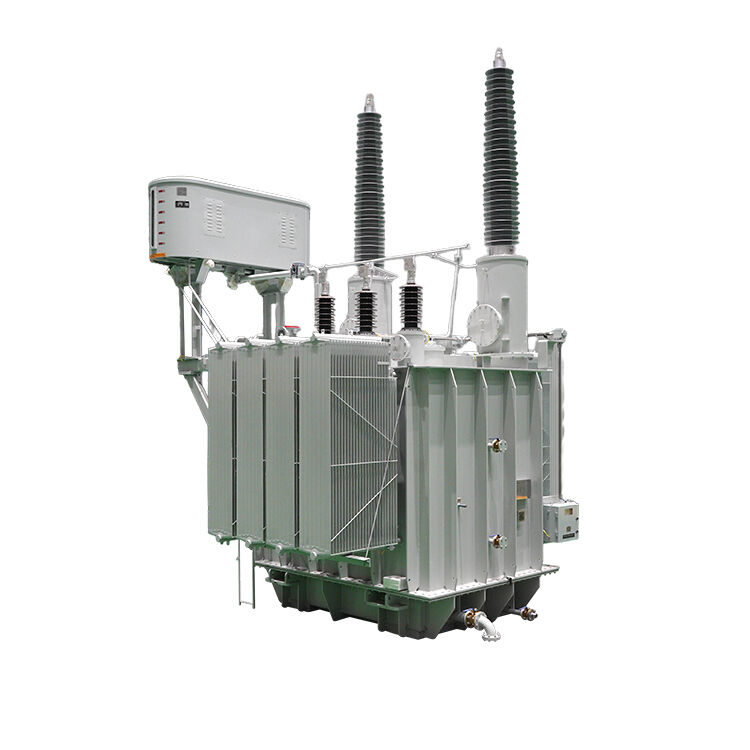
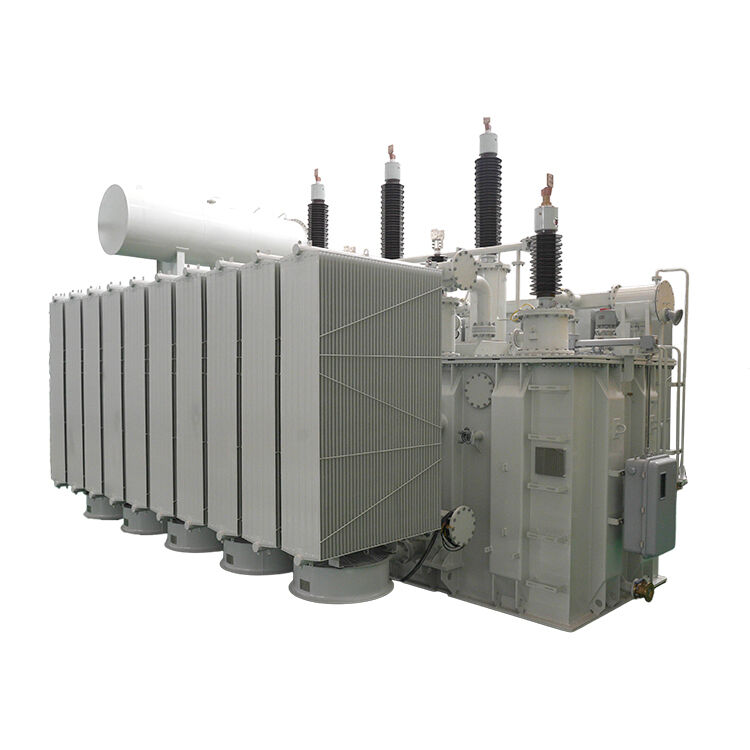
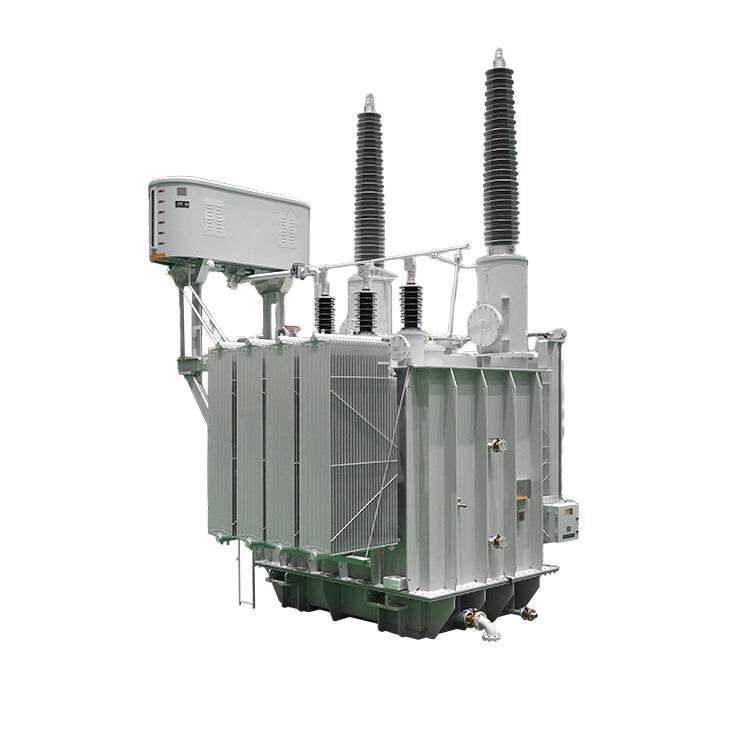
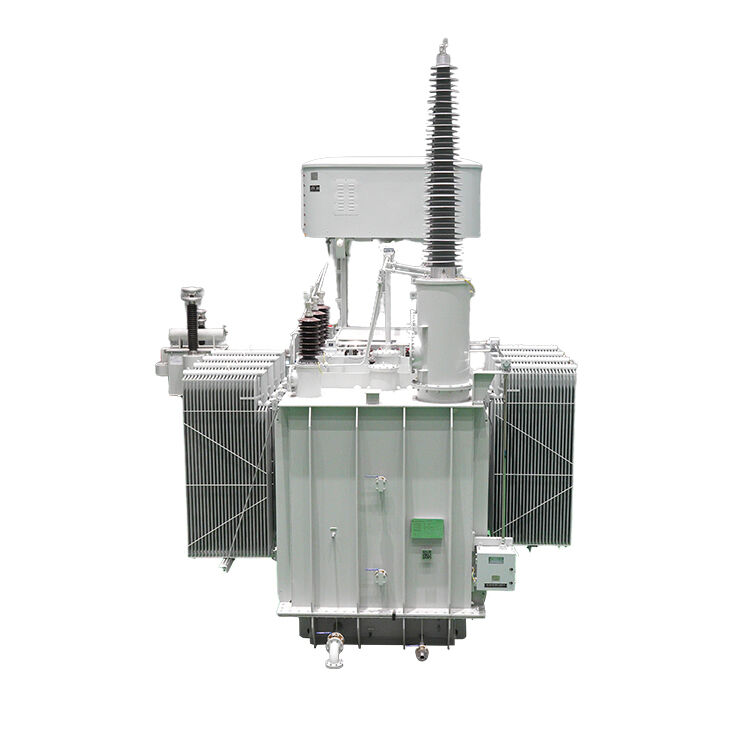
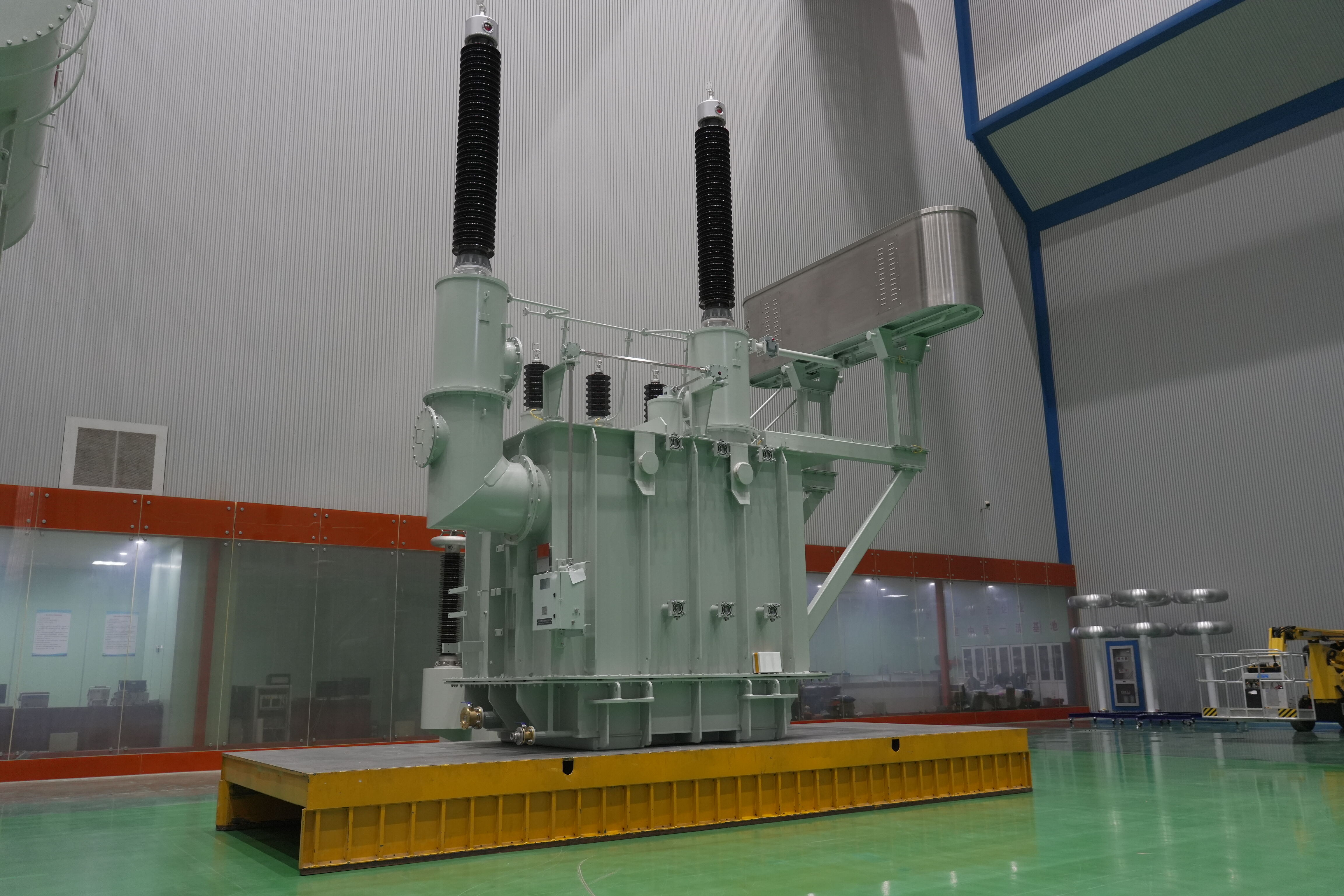
single phase traction transformer
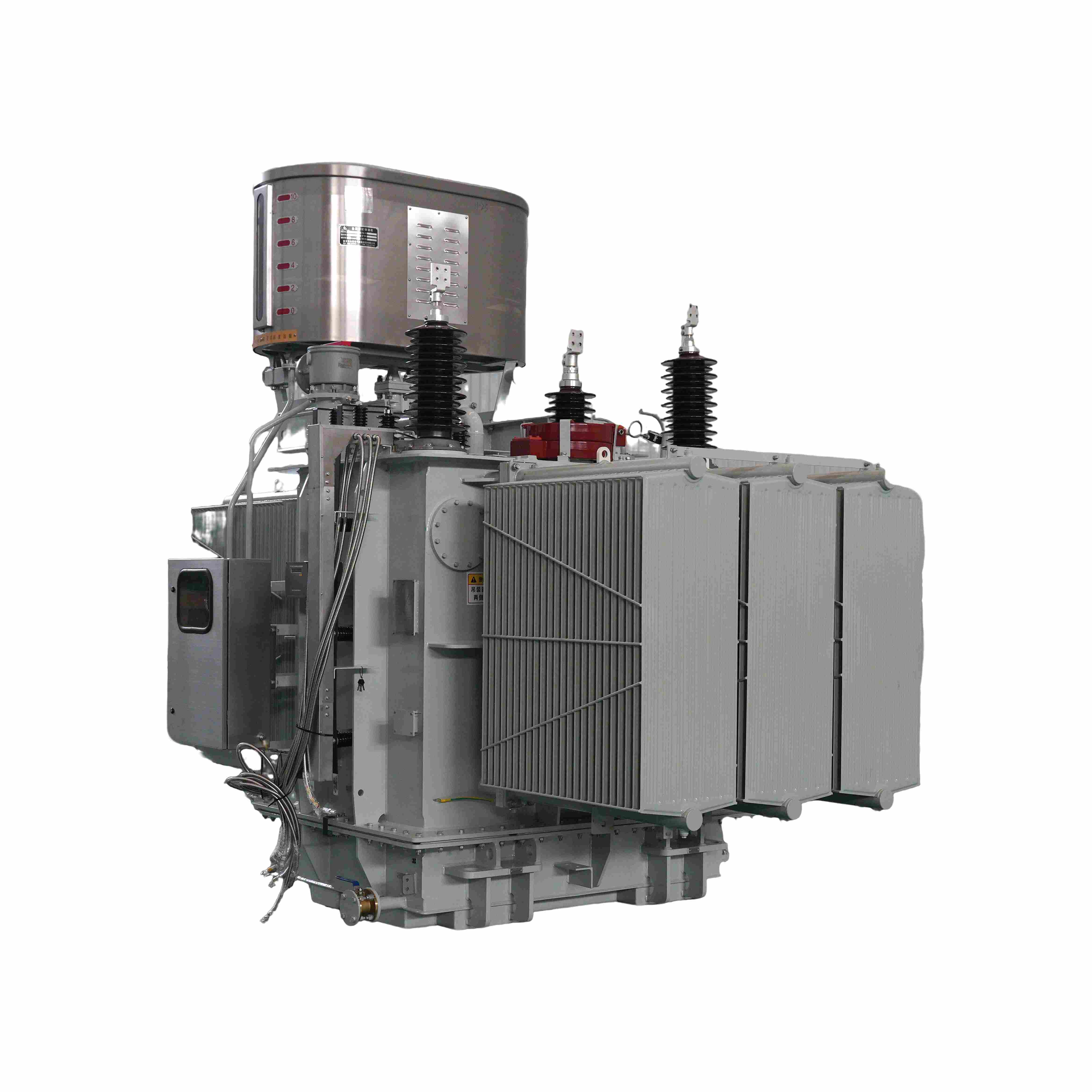
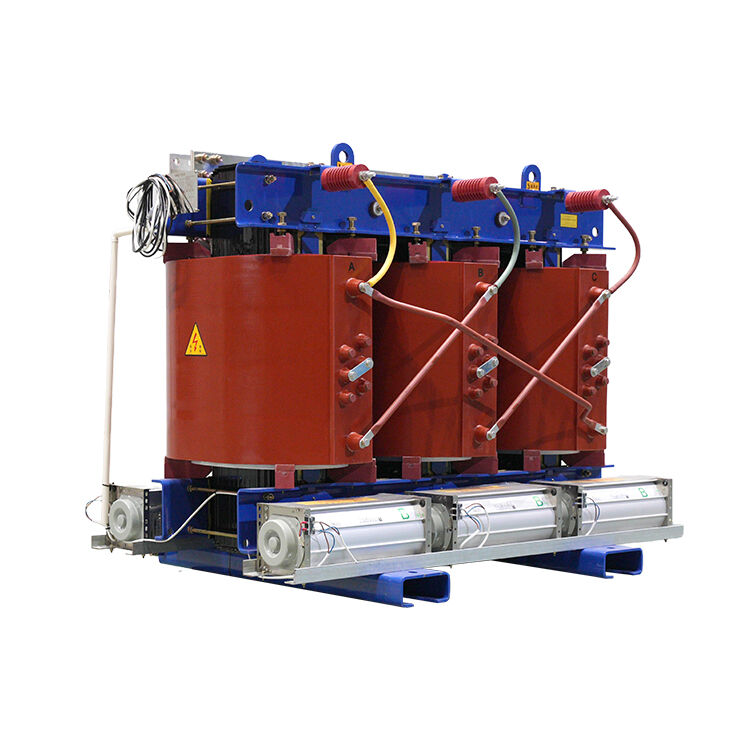
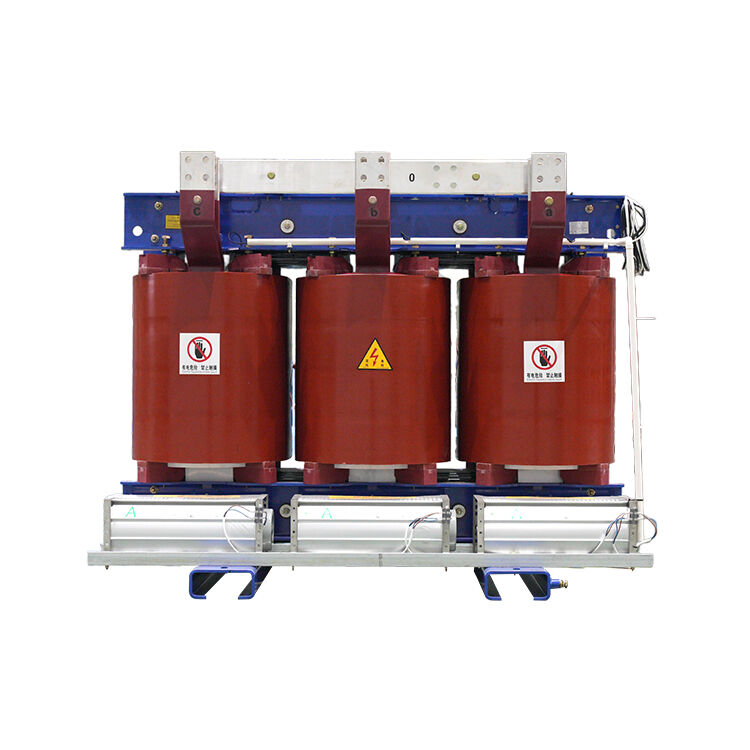
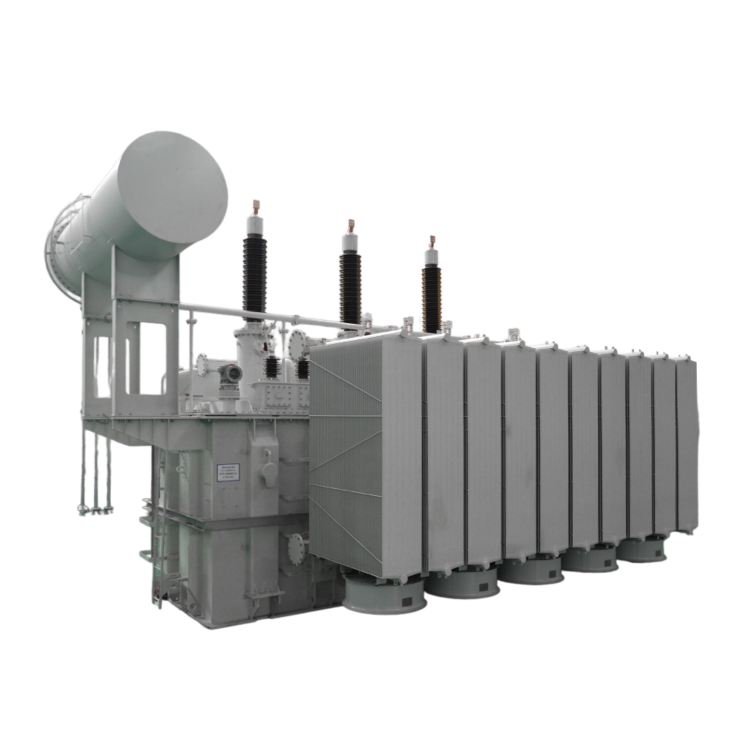
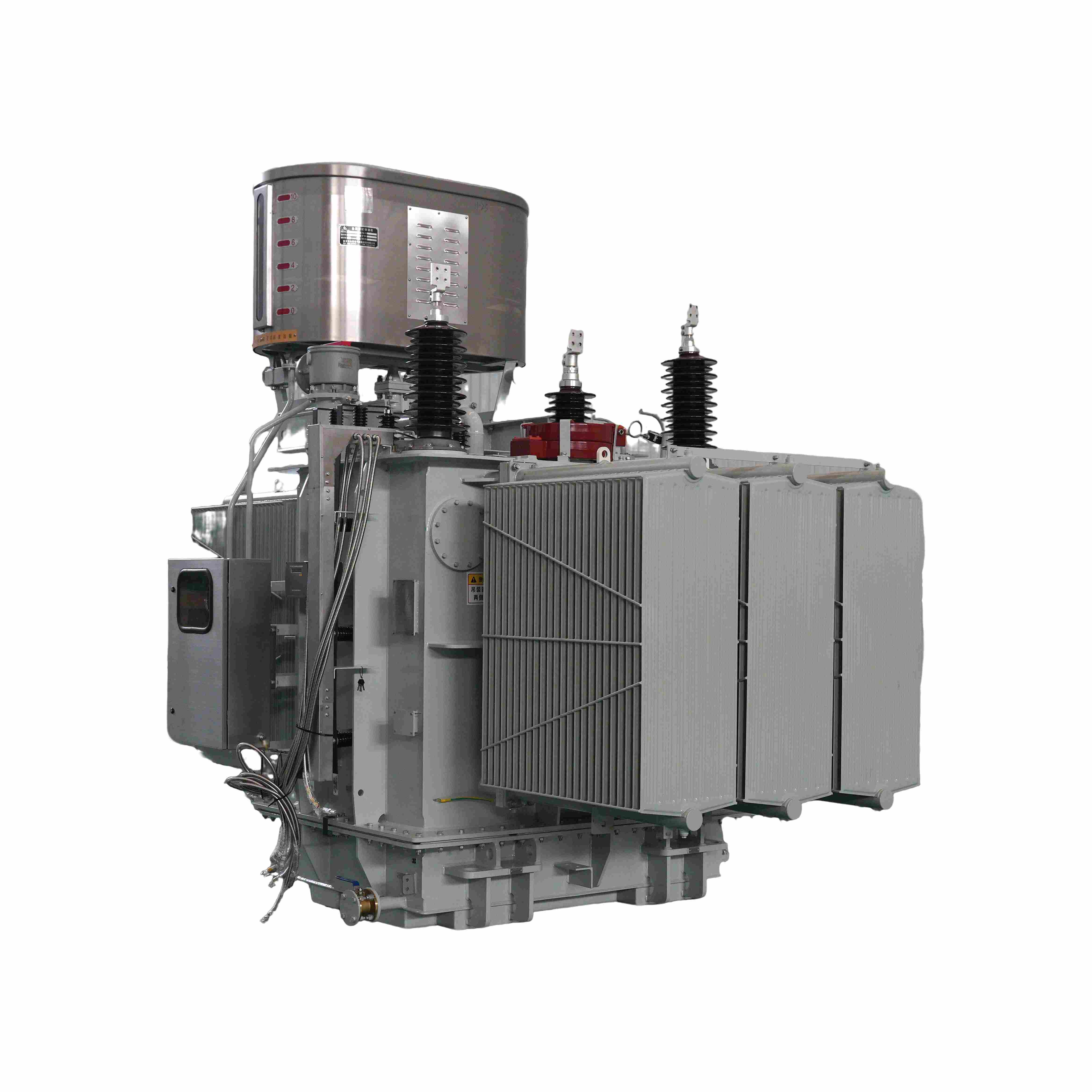
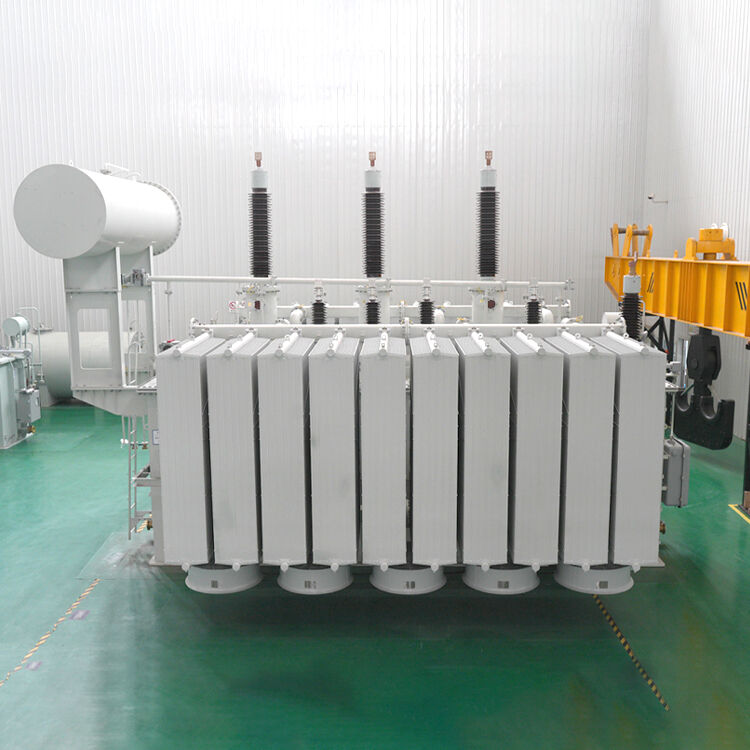
The single phase traction transformer represents a critical component in modern railway electrification systems, serving as the primary interface between high-voltage electrical distribution networks and electric trains. This specialized electrical device converts alternating current from overhead lines or third rails into appropriate voltage levels required for train operation. The single phase traction transformer operates by stepping down voltage from transmission levels, typically 25kV or 15kV, to lower voltages suitable for traction motors and onboard electrical systems. Its robust construction incorporates high-grade electrical steel cores, copper windings, and advanced insulation materials designed to withstand harsh operational environments including temperature fluctuations, vibrations, and electromagnetic interference. The transformer's magnetic circuit efficiently transfers electrical energy while maintaining galvanic isolation between primary and secondary circuits, ensuring passenger safety and system reliability. Modern single phase traction transformer designs incorporate sophisticated cooling systems, often utilizing forced air or oil circulation to maintain optimal operating temperatures under varying load conditions. These transformers feature multiple secondary windings to supply different voltage levels for various train systems including propulsion motors, auxiliary equipment, lighting, and air conditioning units. Advanced monitoring capabilities integrated into contemporary single phase traction transformer systems enable real-time performance tracking, predictive maintenance scheduling, and fault detection. The compact design optimizes space utilization within train cars while maintaining high power density and efficiency ratings exceeding 95 percent. Specialized protection systems including overcurrent relays, temperature sensors, and insulation monitoring devices ensure safe operation under all operating conditions. The single phase traction transformer's versatility allows compatibility with various railway electrification standards worldwide, making it an essential component for international rolling stock manufacturers and railway operators seeking standardized solutions across diverse markets and operational requirements.
 EN
EN