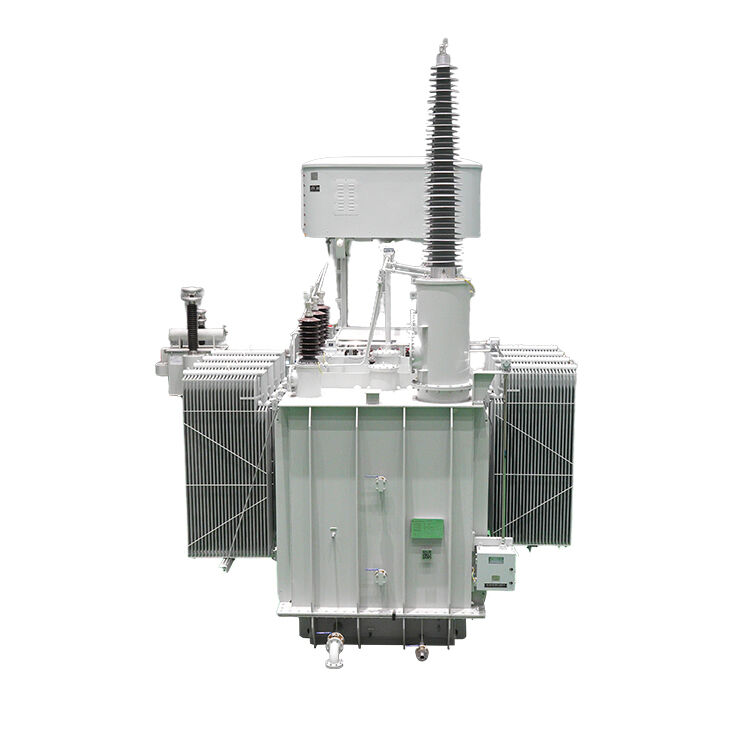
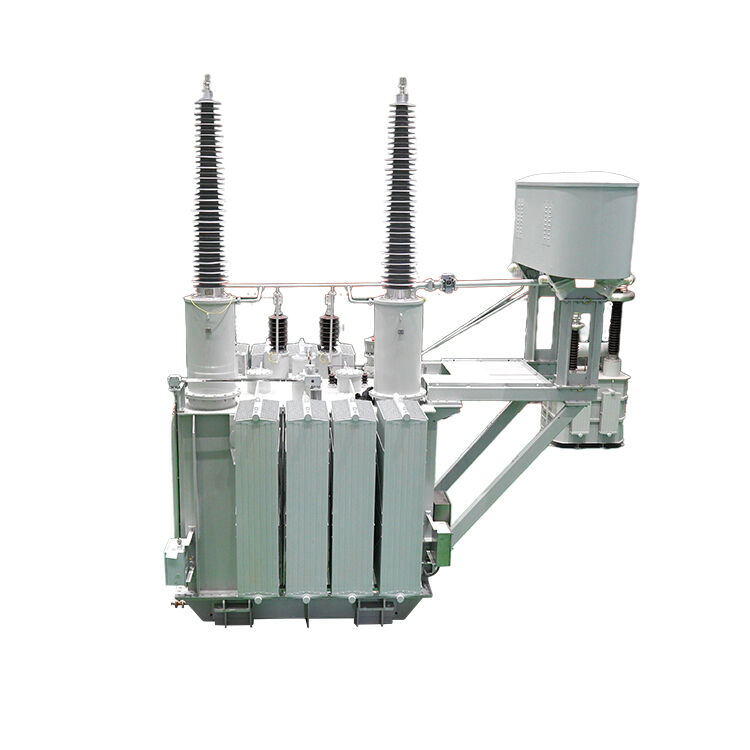
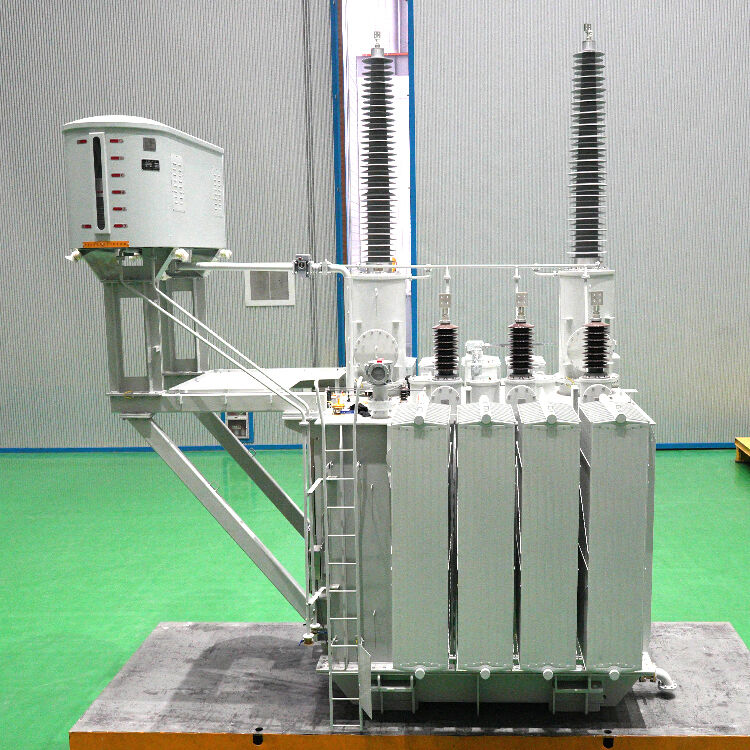
traction power transformer
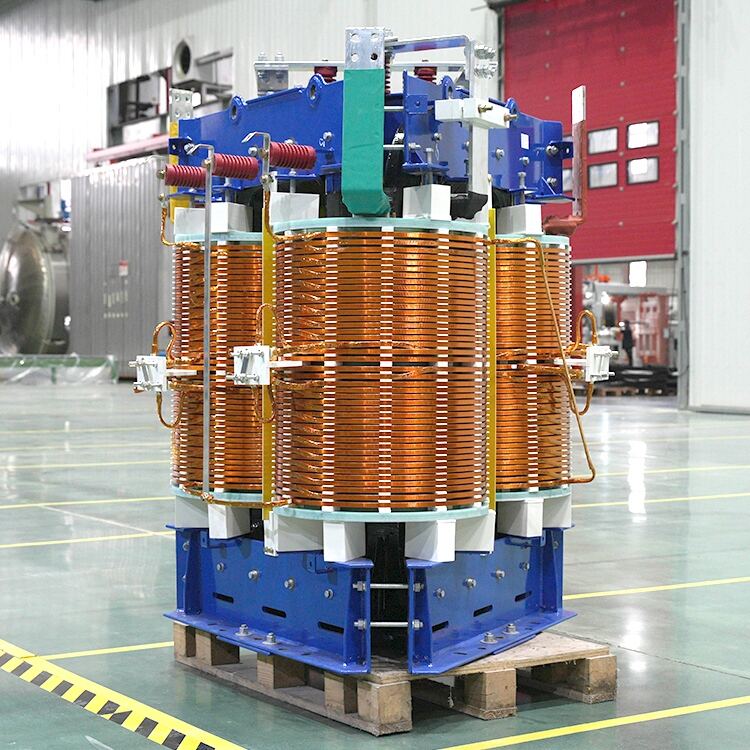
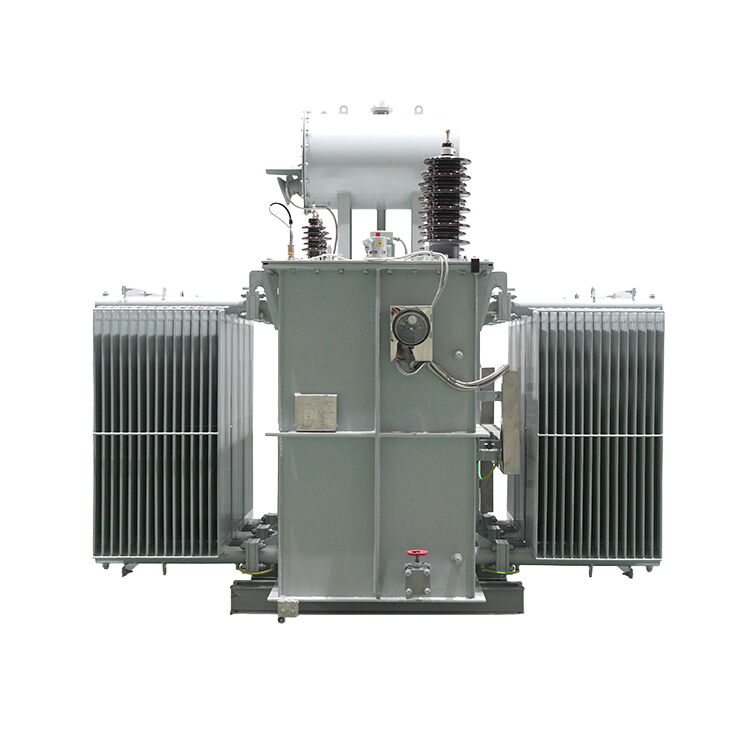
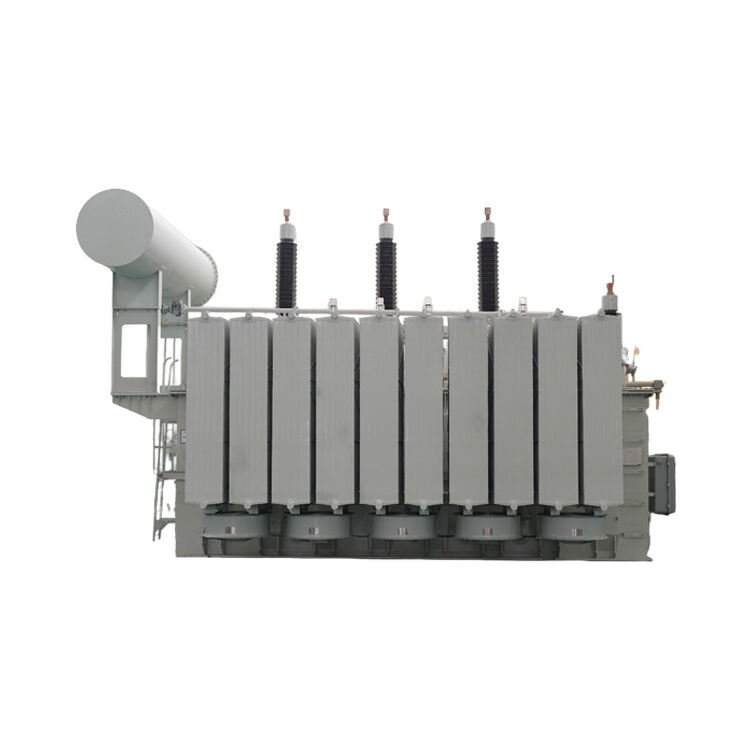
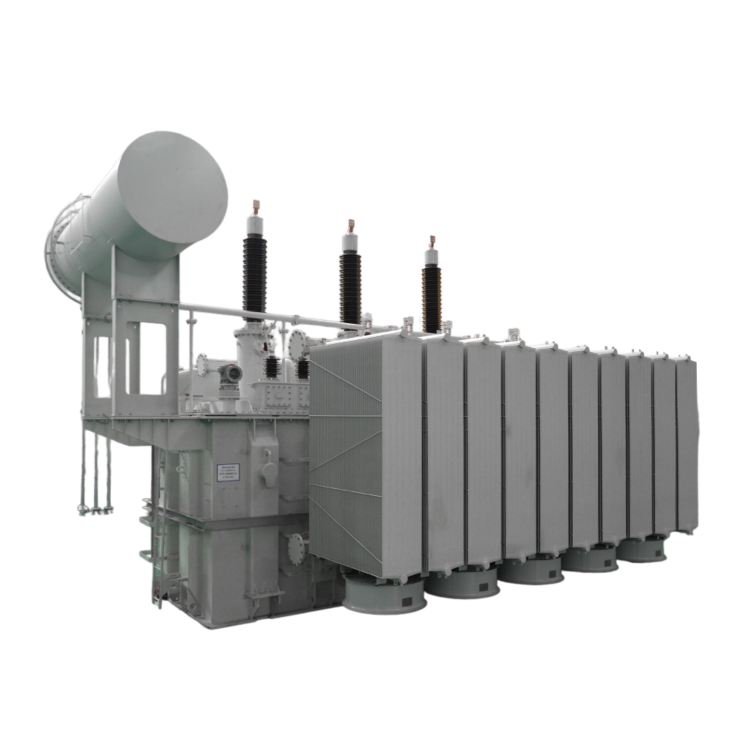
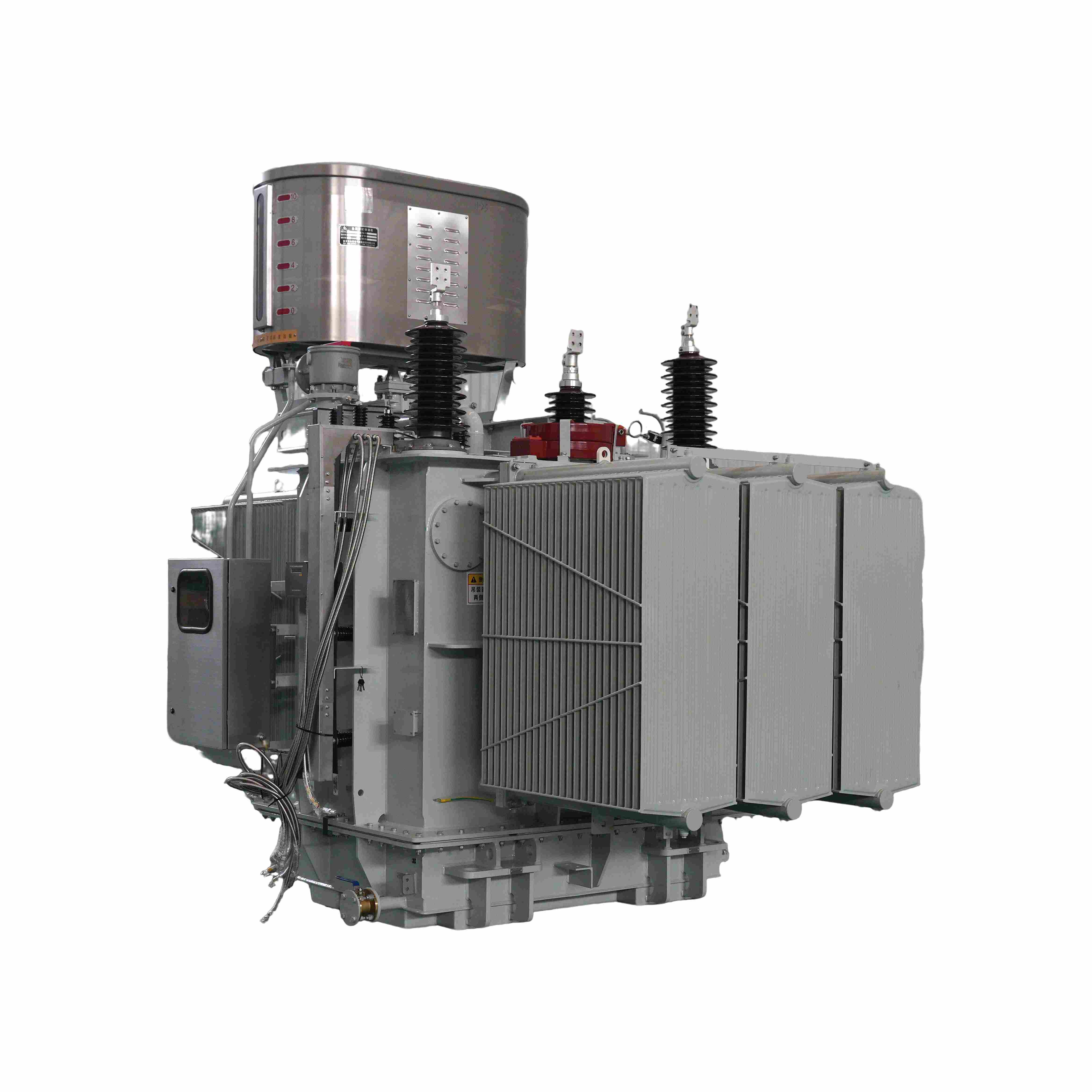
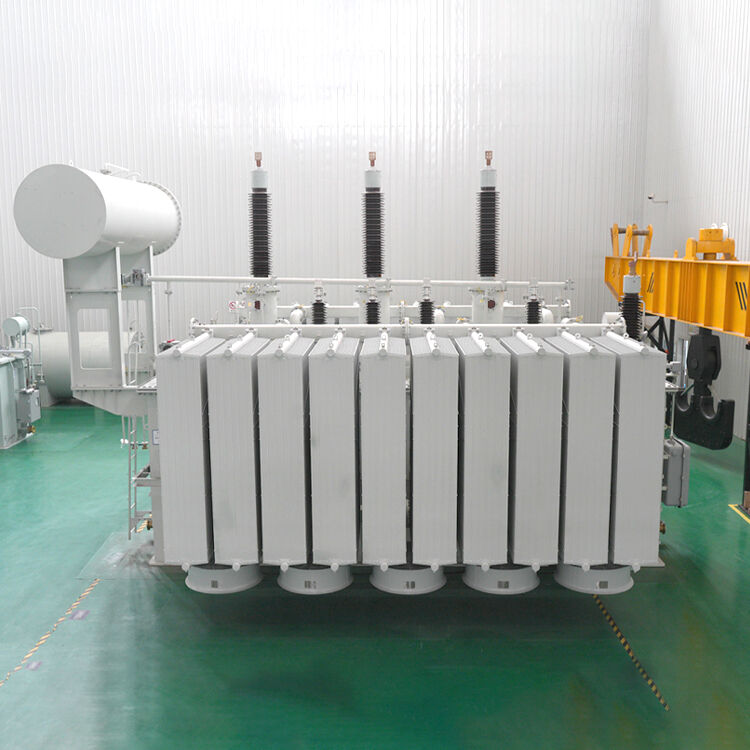
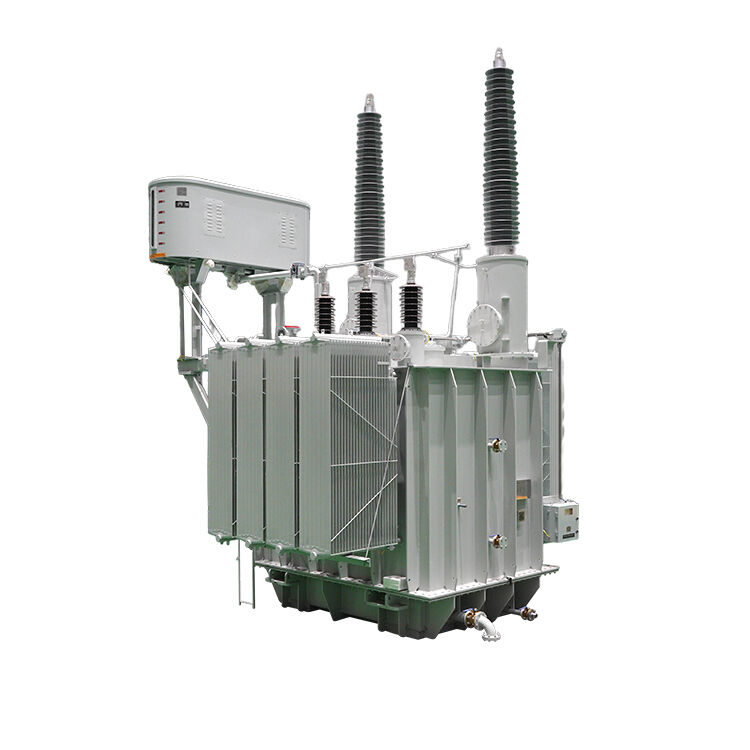
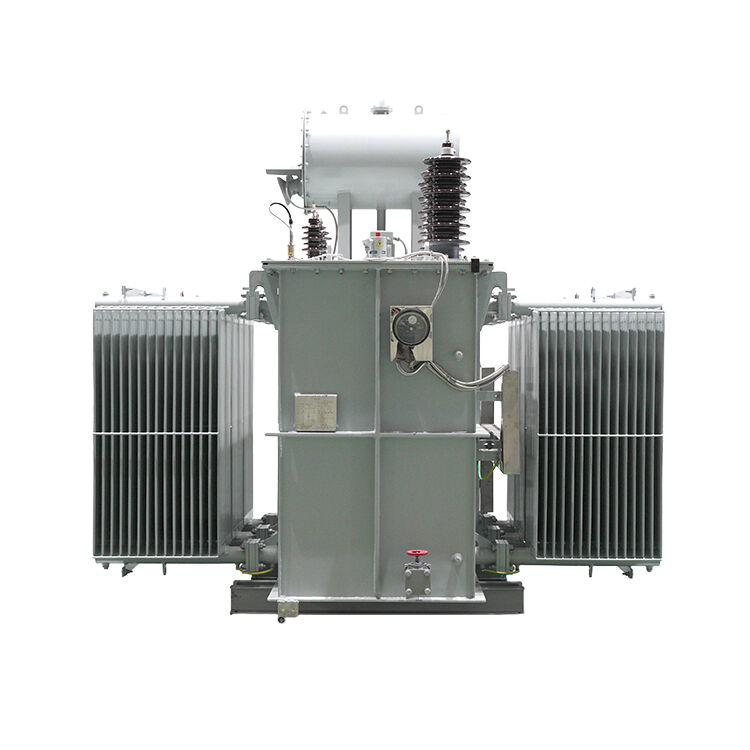
The traction power transformer stands as a critical component in modern electric railway systems, serving as the backbone for efficient and reliable train operations. This specialized electrical equipment converts high-voltage power from the electrical grid into appropriate voltage levels suitable for electric trains and railway infrastructure. Unlike conventional transformers, the traction power transformer is specifically engineered to handle the unique demands of railway environments, including dynamic loading conditions, electromagnetic interference, and harsh operational circumstances. The primary function of a traction power transformer involves stepping down high-voltage electricity from transmission lines, typically ranging from 110kV to 220kV, to lower voltage levels required by electric trains, usually 25kV or 15kV alternating current systems. This voltage conversion process ensures optimal power delivery while maintaining safety standards and operational efficiency throughout the railway network. The technological features of traction power transformers include advanced insulation systems designed to withstand extreme temperature fluctuations, moisture, and mechanical stress common in railway environments. These transformers incorporate sophisticated cooling mechanisms, often utilizing mineral oil or synthetic fluids to dissipate heat generated during continuous operation. The core construction employs high-grade silicon steel laminations that minimize energy losses and reduce electromagnetic noise, ensuring smooth power transmission without interference to nearby communication systems. Modern traction power transformers feature compact designs that accommodate space constraints in railway substations while delivering maximum performance. Applications of traction power transformers span across various railway systems, including high-speed rail networks, urban metro systems, light rail transit, and freight railways. These transformers are essential components in railway substations, feeding points, and switching stations where they facilitate seamless power distribution to overhead contact systems or third-rail configurations. The reliability and durability of traction power transformers directly impact the overall performance of electric railway systems, making them indispensable for maintaining consistent train schedules and passenger safety.
 EN
EN