Railway Traction Transformer Solutions: Advanced Power Systems for Modern Rail Networks

Get a Free Quote

Our representative will contact you soon.
Email
WhatsApp/Mobile
Name
Company Name
Message
0/1000

railway traction transformer

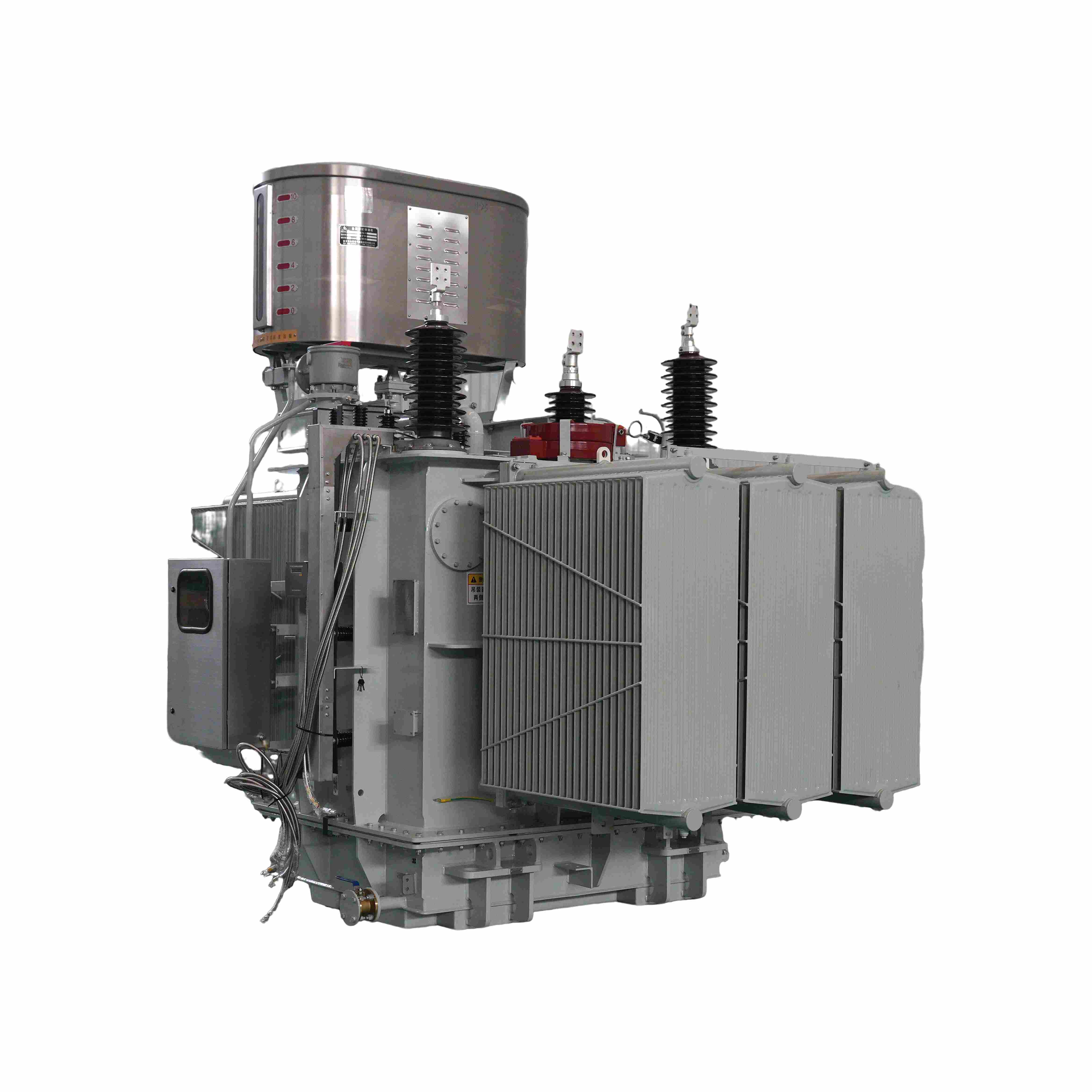
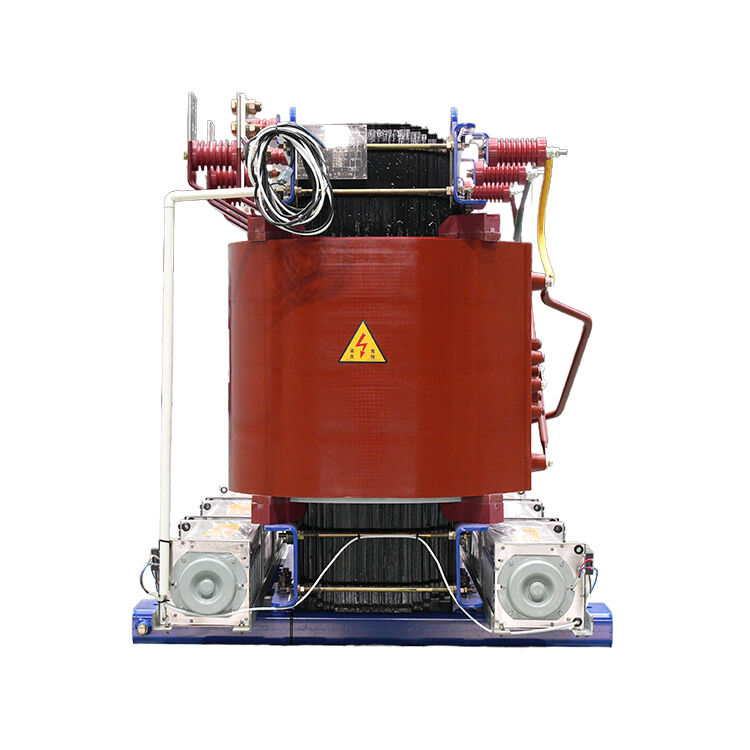
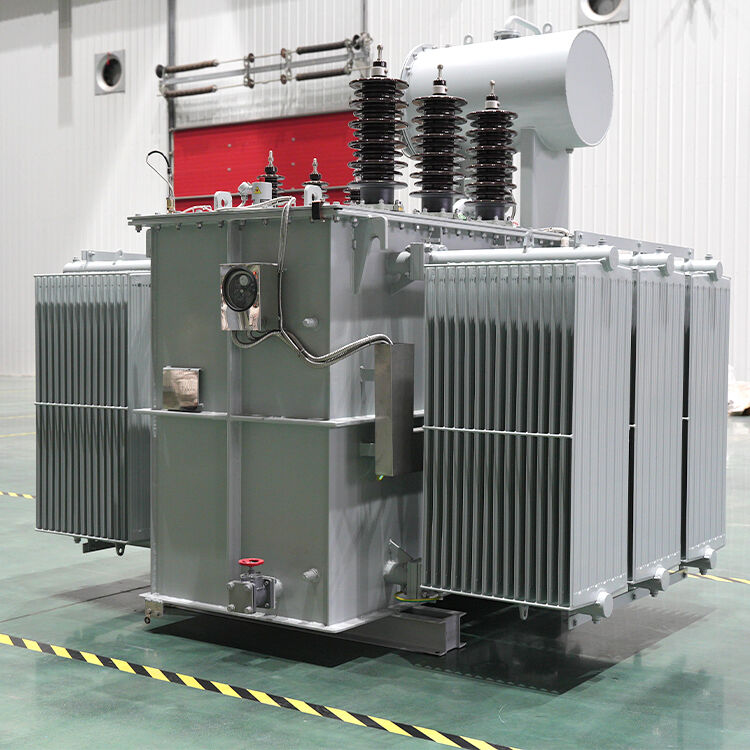
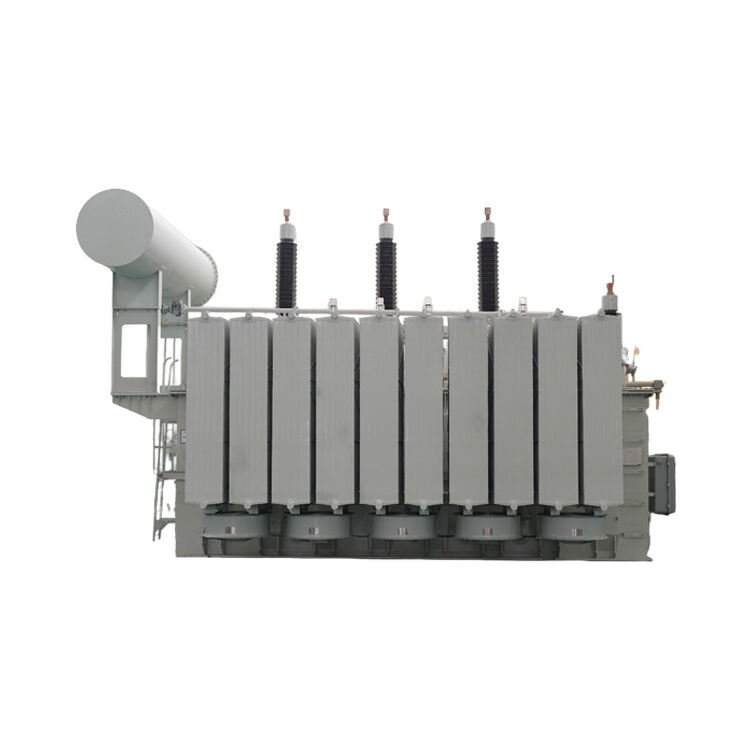
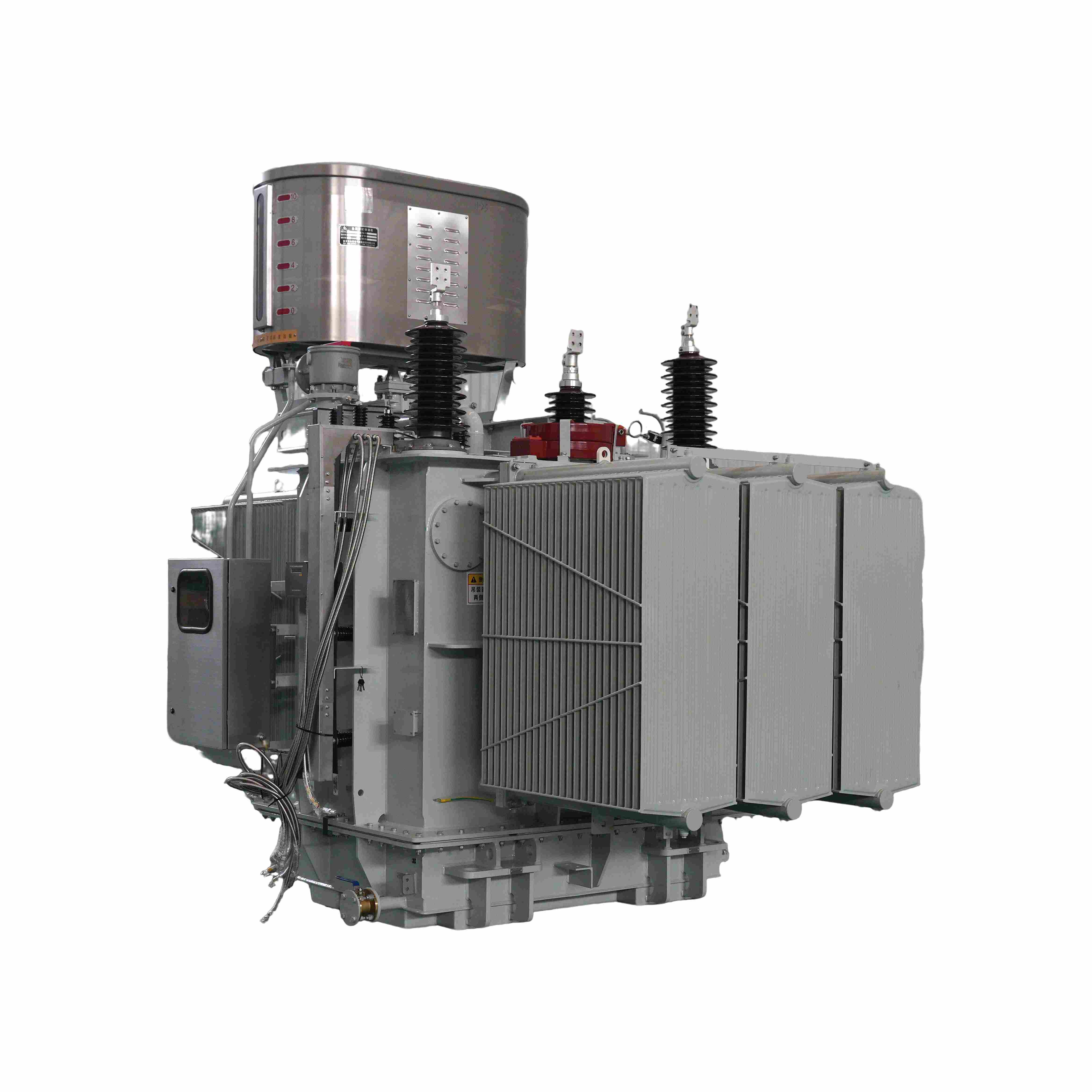
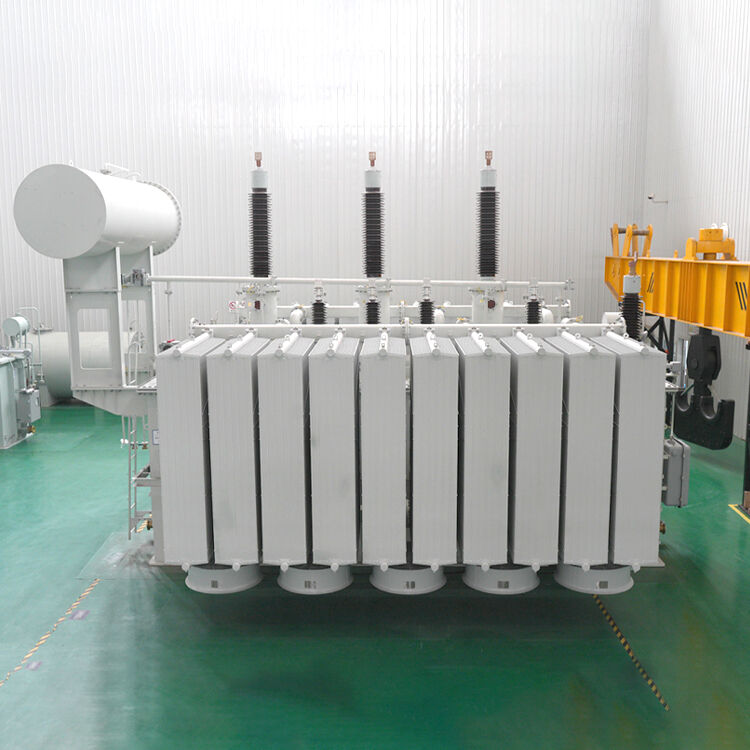
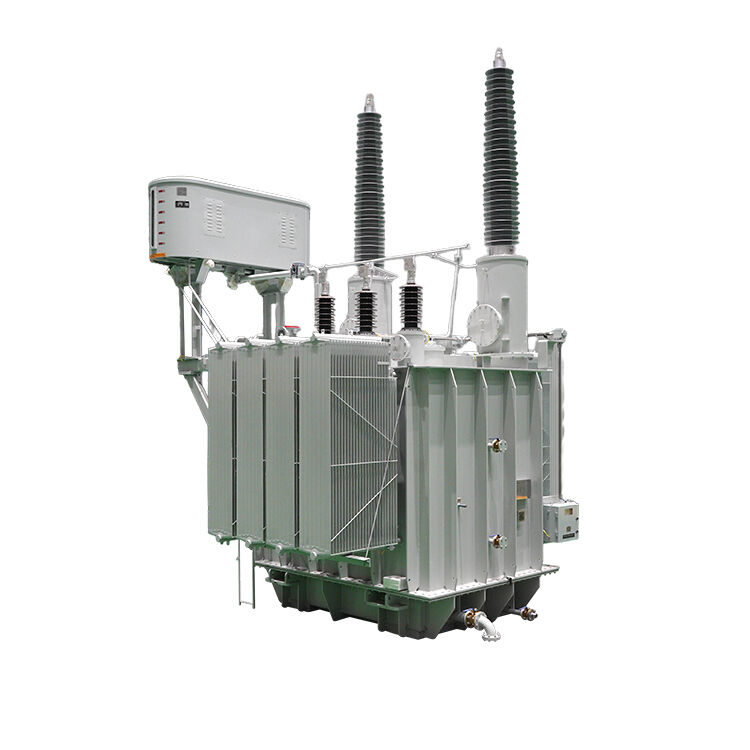
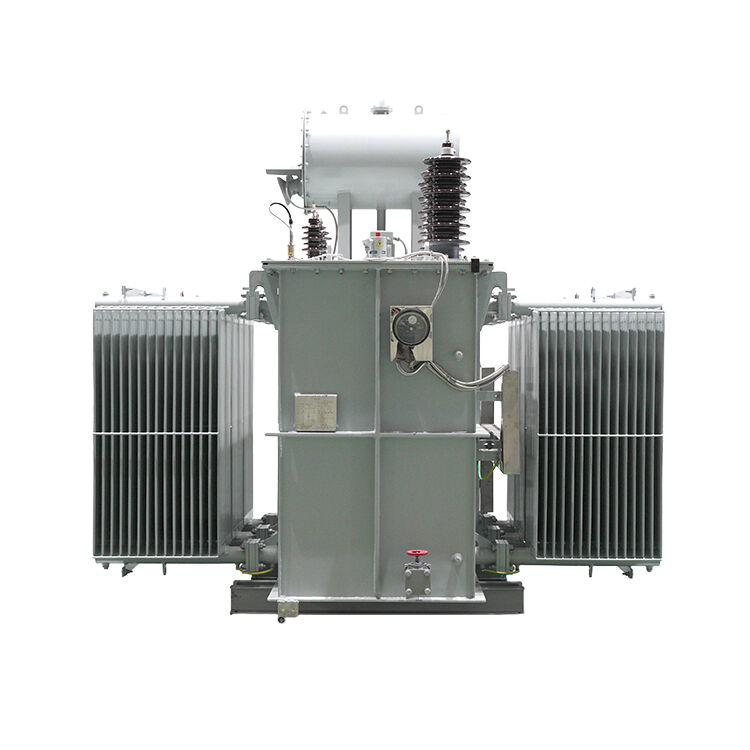
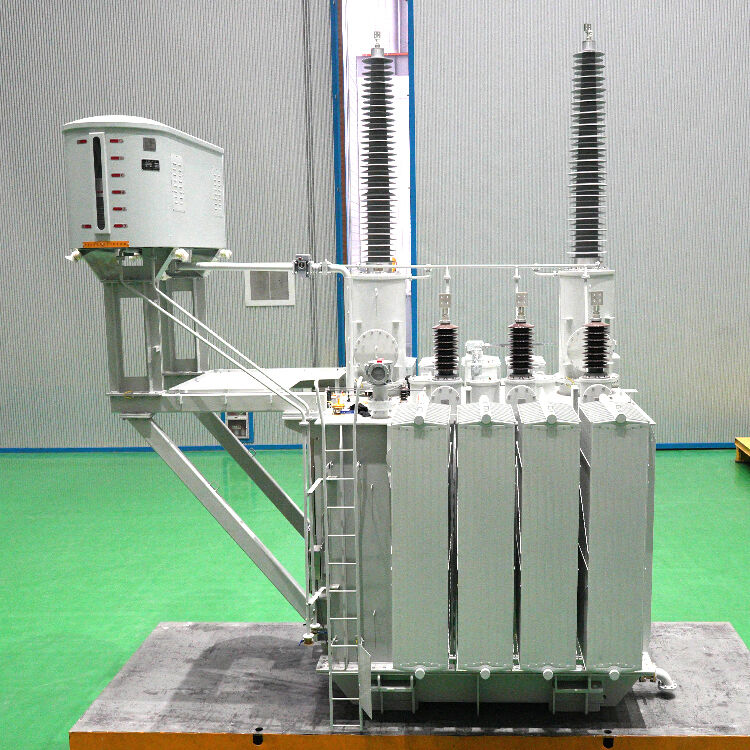
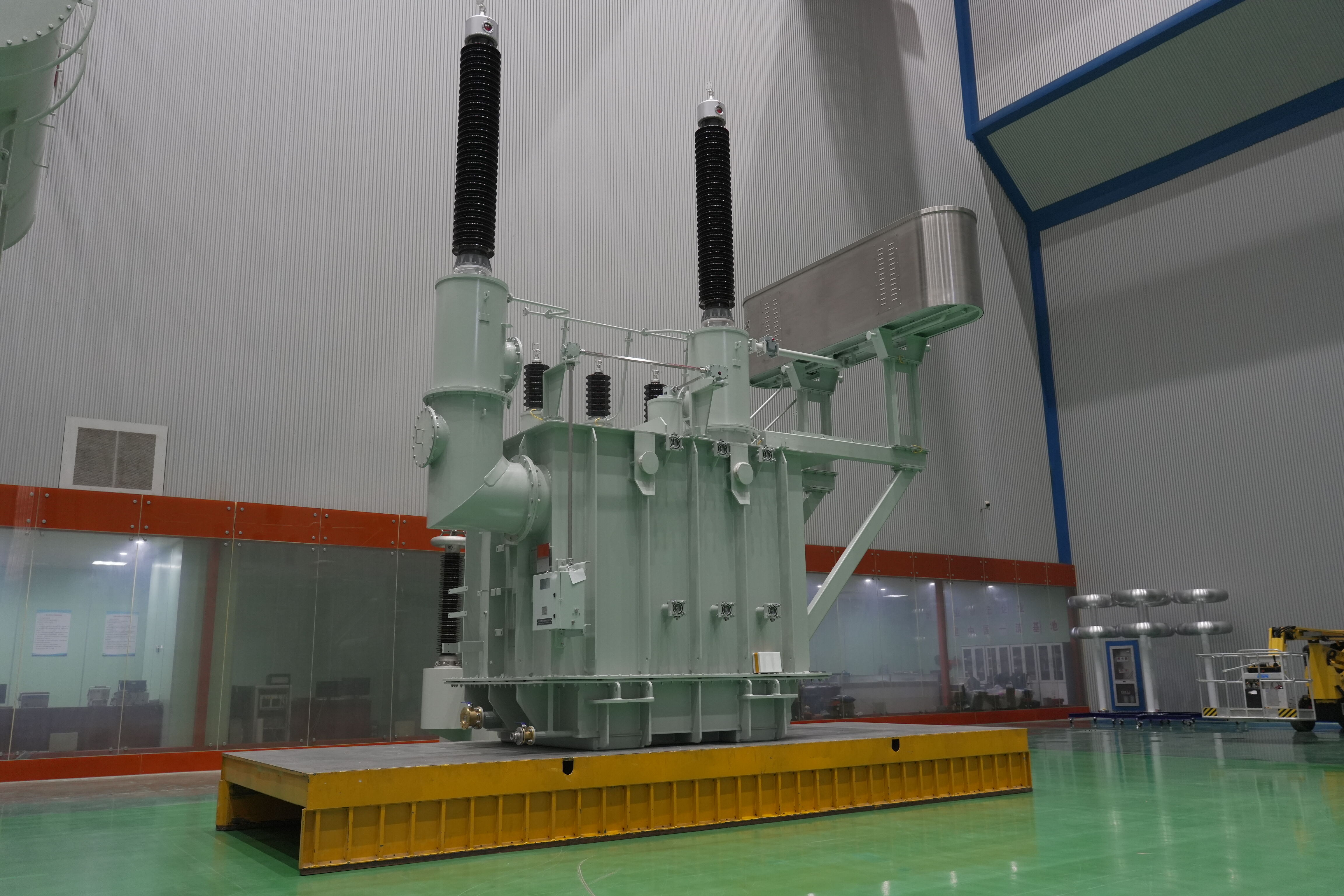
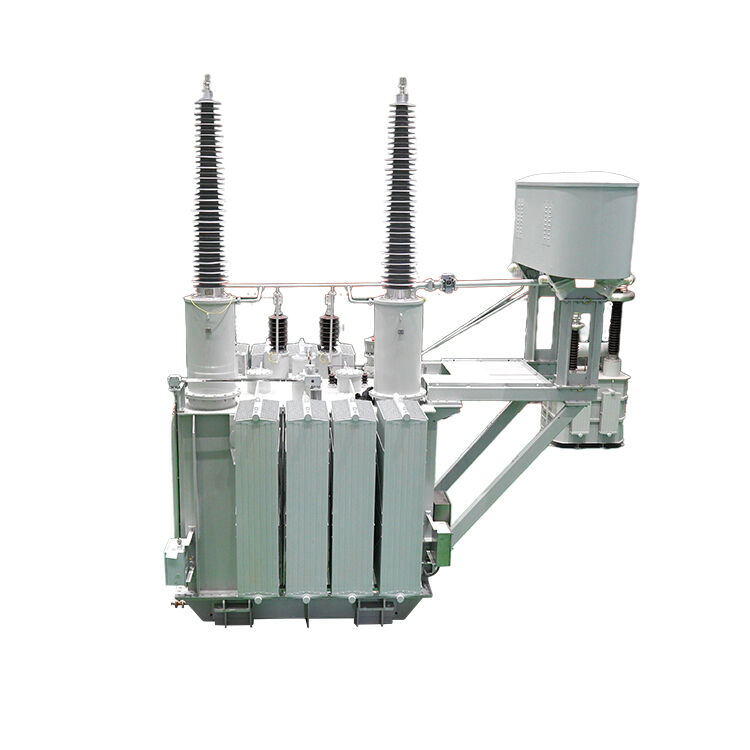
The railway traction transformer stands as a critical component in modern electric rail systems, serving as the backbone for efficient power distribution and voltage conversion across extensive railway networks. This sophisticated electrical device transforms high-voltage alternating current from overhead lines or third rails into appropriate voltage levels required by traction motors, ensuring smooth and reliable train operations. Railway traction transformers are specifically engineered to withstand the demanding conditions of railway environments, including vibrations, temperature fluctuations, and electromagnetic interference that characterize daily rail operations. These transformers incorporate advanced insulation systems and robust construction materials to maintain consistent performance under varying load conditions and environmental stresses. The primary function involves stepping down transmission voltages, typically ranging from 15kV to 25kV, to lower operational voltages suitable for traction motor systems, auxiliary equipment, and onboard electrical systems. Modern railway traction transformer designs integrate sophisticated cooling systems, including forced air circulation and liquid cooling technologies, to manage heat generation during peak load operations. The transformer core utilizes high-grade silicon steel laminations to minimize energy losses and enhance magnetic flux efficiency, contributing to overall system performance. Advanced monitoring capabilities are embedded within contemporary railway traction transformer systems, enabling real-time performance tracking, predictive maintenance scheduling, and fault detection protocols. These transformers must comply with stringent international railway standards and safety regulations, ensuring compatibility with diverse rolling stock configurations and infrastructure requirements. The electrical isolation provided by railway traction transformers protects sensitive electronic components from voltage surges and electrical disturbances commonly encountered in railway environments, while facilitating seamless integration with modern train control systems and communication networks throughout the railway infrastructure.

New Product Recommendations

Railway traction transformers deliver exceptional operational efficiency that translates directly into reduced energy consumption and lower operating costs for railway operators. These transformers achieve efficiency ratings exceeding 98 percent, minimizing energy waste during voltage conversion processes and contributing to significant cost savings over extended operational periods. The robust construction of railway traction transformers ensures extended service life, often exceeding 25 years with proper maintenance, providing excellent return on investment for transportation authorities and private rail operators. Advanced thermal management systems incorporated in these transformers enable continuous operation under varying load conditions without performance degradation, ensuring consistent power delivery during peak traffic periods and demanding operational scenarios. The modular design approach adopted in modern railway traction transformers facilitates rapid maintenance procedures and component replacement, minimizing downtime and reducing maintenance costs significantly. These transformers incorporate comprehensive protection systems that automatically isolate faulty circuits and prevent cascading failures, protecting valuable rolling stock and infrastructure investments from electrical damage. The compact footprint of contemporary railway traction transformers optimizes space utilization in substations and trackside installations, allowing for flexible system configurations and future expansion capabilities. Improved power quality characteristics provided by these transformers reduce harmonic distortion and voltage fluctuations, ensuring stable operation of sensitive electronic systems throughout the railway network. Environmental compliance features built into railway traction transformers eliminate the use of hazardous materials while incorporating recyclable components, supporting sustainability initiatives and regulatory compliance requirements. The standardized interfaces and communication protocols integrated within modern railway traction transformers enable seamless integration with existing infrastructure and future technology upgrades. Remote monitoring capabilities allow operators to track transformer performance in real-time, enabling proactive maintenance strategies that prevent unexpected failures and optimize system reliability. The superior voltage regulation provided by these transformers ensures consistent power delivery across varying load conditions, improving overall system performance and passenger experience while reducing wear on connected equipment and extending component lifespan throughout the electrical distribution network.

Tips And Tricks

What Is a Transformer and How Does It Improve Power System Efficiency?

02

Jan

What Is a Transformer and How Does It Improve Power System Efficiency?

A transformer represents one of the most critical components in modern electrical power systems, serving as the backbone for efficient energy transmission and distribution across vast networks. These electromagnetic devices enable the seamless conver...
View More
How Does a Transformer Work in High Voltage Power Transmission?

08

Jan

How Does a Transformer Work in High Voltage Power Transmission?

High voltage power transmission systems form the backbone of modern electrical grids, enabling electricity to travel efficiently across vast distances. At the heart of these complex networks lies the power transformer, a crucial piece of equipment th...
View More
Why Are Transformers Critical for Industrial Power Distribution Systems?

14

Jan

Why Are Transformers Critical for Industrial Power Distribution Systems?

Industrial power distribution systems form the backbone of modern manufacturing, commercial facilities, and critical infrastructure operations. At the heart of these complex networks lies a fundamental component that ensures safe, efficient, and reli...
View More
What Should Utilities Consider When Selecting a Transformer Supplier?

26

Jan

What Should Utilities Consider When Selecting a Transformer Supplier?

Selecting the right supplier for power infrastructure represents one of the most critical decisions utility companies face in today's rapidly evolving energy landscape. The process of choosing a power transformer supplier requires careful evaluation ...
View More

Get a Free Quote

Our representative will contact you soon.
Email
WhatsApp/Mobile
Name
Company Name
Message
0/1000

railway traction transformer

Advanced Thermal Management and Cooling Technology

Advanced Thermal Management and Cooling Technology

The railway traction transformer incorporates state-of-the-art thermal management systems that represent a breakthrough in electrical equipment cooling technology, ensuring optimal performance under the most demanding operational conditions. This sophisticated cooling architecture combines multiple heat dissipation methods, including advanced forced air circulation, liquid cooling circuits, and innovative heat exchanger designs that effectively manage temperature rises during peak load operations. The cooling system utilizes high-efficiency fans with variable speed controls that automatically adjust airflow based on real-time temperature monitoring, ensuring energy-efficient cooling while maintaining optimal operating temperatures. Temperature sensors strategically positioned throughout the transformer windings and core provide continuous monitoring data to the integrated control system, enabling precise thermal management and preventing overheating conditions that could compromise transformer performance or longevity. The liquid cooling circuits incorporate specialized coolants with superior heat transfer properties and environmental safety characteristics, circulating through dedicated cooling channels within the transformer structure to remove excess heat efficiently. Heat exchangers designed specifically for railway applications feature corrosion-resistant materials and compact configurations that maximize heat transfer while minimizing space requirements in constrained installation environments. The thermal management system includes intelligent load monitoring capabilities that automatically adjust cooling intensity based on electrical demand, optimizing energy consumption while maintaining safe operating temperatures. Emergency cooling protocols activate additional cooling capacity during fault conditions or unexpected load increases, protecting the railway traction transformer from thermal damage and ensuring continued operation during critical situations. The cooling system design incorporates redundant components and fail-safe mechanisms that maintain cooling capability even if primary cooling elements experience malfunctions, providing exceptional reliability for mission-critical railway applications. Advanced filtration systems protect cooling components from environmental contaminants common in railway environments, including dust, moisture, and airborne particles that could impair cooling efficiency over time.
Superior Power Quality and Harmonic Control

Superior Power Quality and Harmonic Control

Railway traction transformers deliver exceptional power quality through advanced harmonic filtering and voltage regulation technologies that significantly enhance overall system performance and reliability across electrical railway networks. These transformers incorporate sophisticated harmonic suppression circuits that actively reduce distortion levels in the electrical supply, ensuring clean power delivery to sensitive electronic equipment and traction motor systems throughout the railway infrastructure. The integrated power quality management system continuously monitors electrical parameters including voltage stability, current harmonics, and power factor variations, automatically implementing corrective measures to maintain optimal power characteristics under varying operational conditions. Advanced vector control algorithms embedded within the transformer control systems provide precise voltage regulation with response times measured in milliseconds, ensuring stable power delivery during rapid load changes associated with train acceleration and regenerative braking operations. The harmonic filtering capabilities specifically target problematic frequency ranges commonly generated by power electronic converters and variable frequency drives, preventing these disturbances from propagating throughout the electrical distribution network and affecting other connected equipment. Specialized transformer winding configurations and core designs minimize inherent harmonic generation while maximizing power transfer efficiency, contributing to improved overall system performance and reduced electromagnetic interference levels. The power quality enhancement features include active power factor correction systems that automatically adjust reactive power compensation based on real-time load conditions, optimizing power transmission efficiency and reducing energy costs for railway operators. Voltage regulation accuracy maintained within strict tolerances ensures consistent performance of traction motors and auxiliary equipment, extending component lifespan and reducing maintenance requirements throughout the rolling stock fleet. The railway traction transformer incorporates surge protection devices and lightning arresters that shield connected equipment from transient overvoltages commonly encountered in railway environments, preventing costly damage to sensitive electronic systems. Real-time power quality monitoring capabilities provide operators with comprehensive data regarding electrical system performance, enabling proactive maintenance decisions and optimal system configuration adjustments to maintain peak performance levels consistently.
Intelligent Monitoring and Predictive Maintenance Capabilities

Intelligent Monitoring and Predictive Maintenance Capabilities

The railway traction transformer features comprehensive intelligent monitoring systems that revolutionize maintenance practices through advanced predictive analytics and real-time performance tracking, significantly reducing operational costs and enhancing system reliability. These sophisticated monitoring capabilities incorporate hundreds of sensors strategically positioned throughout the transformer structure, continuously collecting data on critical parameters including temperature distributions, vibration levels, electrical characteristics, and insulation conditions. The integrated diagnostic system utilizes artificial intelligence algorithms and machine learning techniques to analyze collected data patterns, identifying potential issues before they develop into costly failures or service interruptions. Predictive maintenance algorithms process historical performance data alongside real-time measurements to generate accurate forecasts regarding component condition and remaining useful life, enabling optimal maintenance scheduling and resource allocation. The monitoring system provides comprehensive fault detection capabilities that can identify developing problems such as partial discharge activity, insulation deterioration, cooling system inefficiencies, and mechanical stress indicators with exceptional accuracy and sensitivity. Remote connectivity features enable maintenance teams to access transformer performance data from centralized control centers, facilitating rapid response to emerging issues and reducing the need for routine on-site inspections. Automated alert systems notify operators immediately when monitored parameters exceed predetermined thresholds or when predictive algorithms indicate potential problems, ensuring prompt intervention before minor issues escalate into major failures. The intelligent monitoring capabilities include comprehensive data logging and trending analysis that provides valuable insights into long-term transformer performance characteristics and operational patterns. Integration with railway management systems enables seamless coordination between transformer maintenance activities and operational scheduling, minimizing service disruptions and optimizing maintenance window utilization. The monitoring system generates detailed performance reports and maintenance recommendations that assist operators in making informed decisions regarding system upgrades, component replacements, and operational optimization strategies. Advanced cybersecurity features protect monitoring data and communication channels from unauthorized access while ensuring reliable data transmission between field equipment and control centers throughout the railway network infrastructure.

Get a Free Quote

Our representative will contact you soon.
Email
WhatsApp/Mobile
Name
Company Name
Message
0/1000