Step Down Traction Transformer: Advanced Power Solutions for Electric Transportation Systems

Get a Free Quote

Our representative will contact you soon.
Email
WhatsApp/Mobile
Name
Company Name
Message
0/1000

step down traction transformer

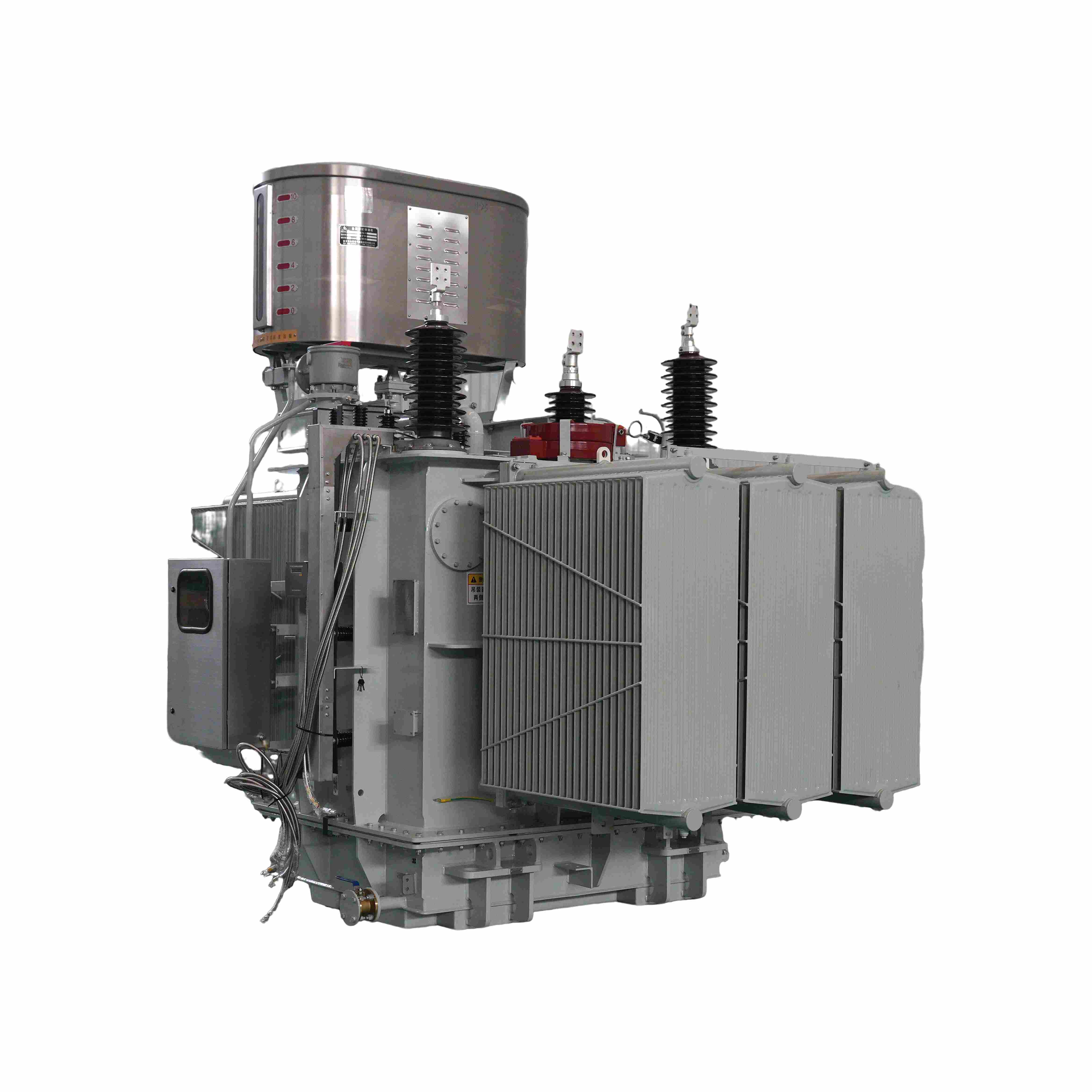
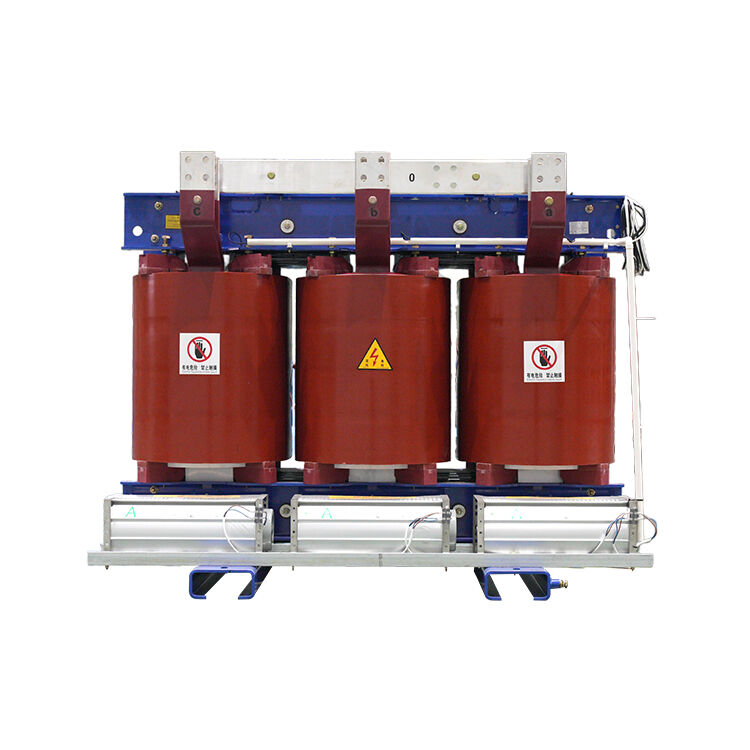
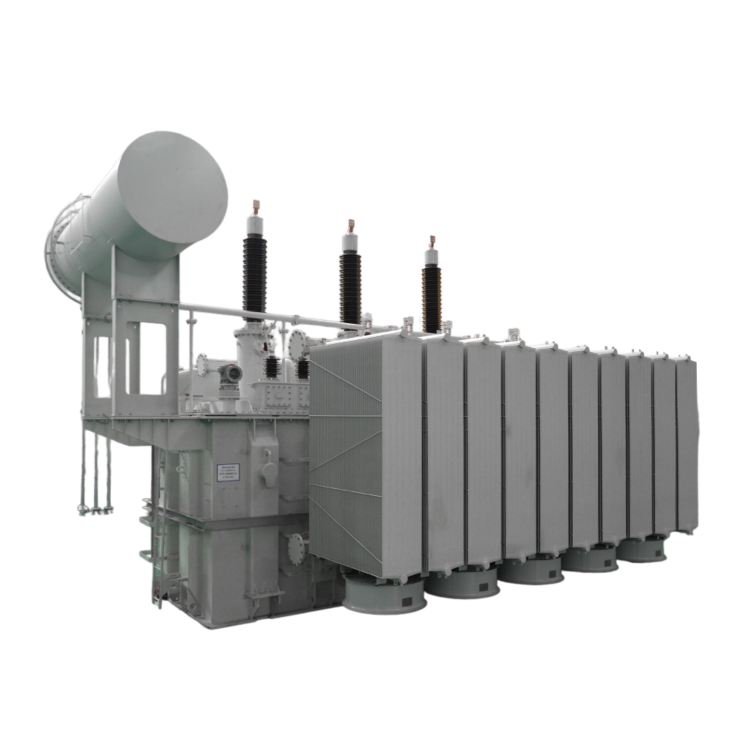
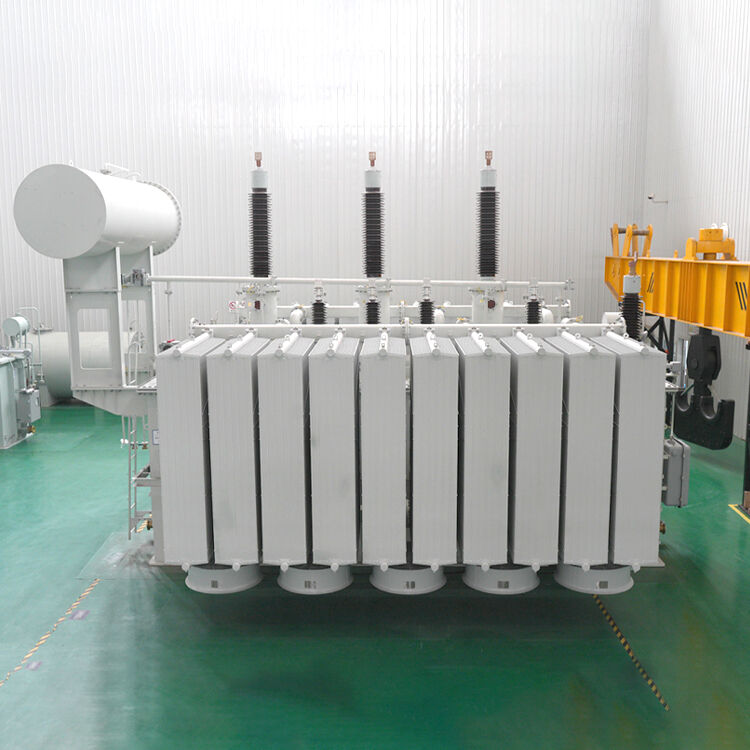
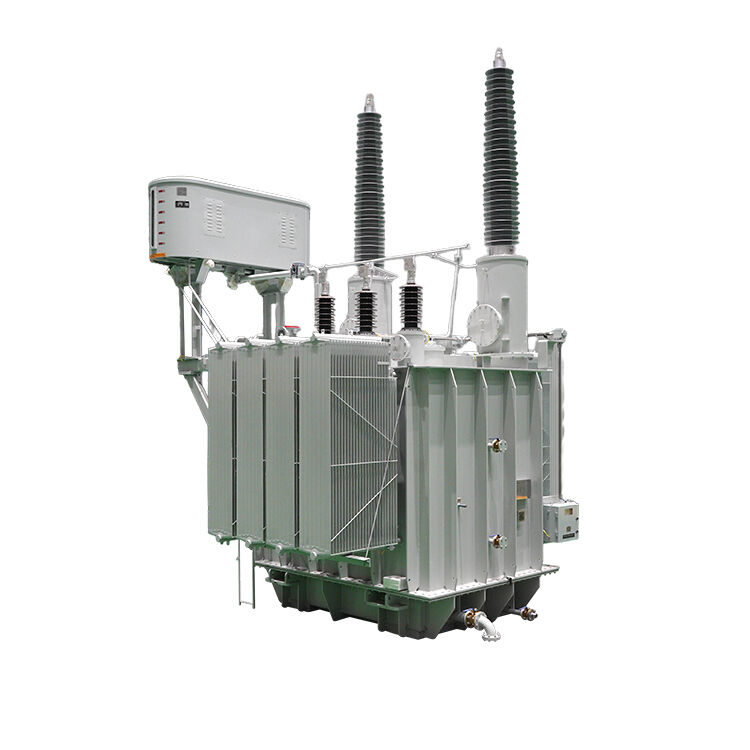
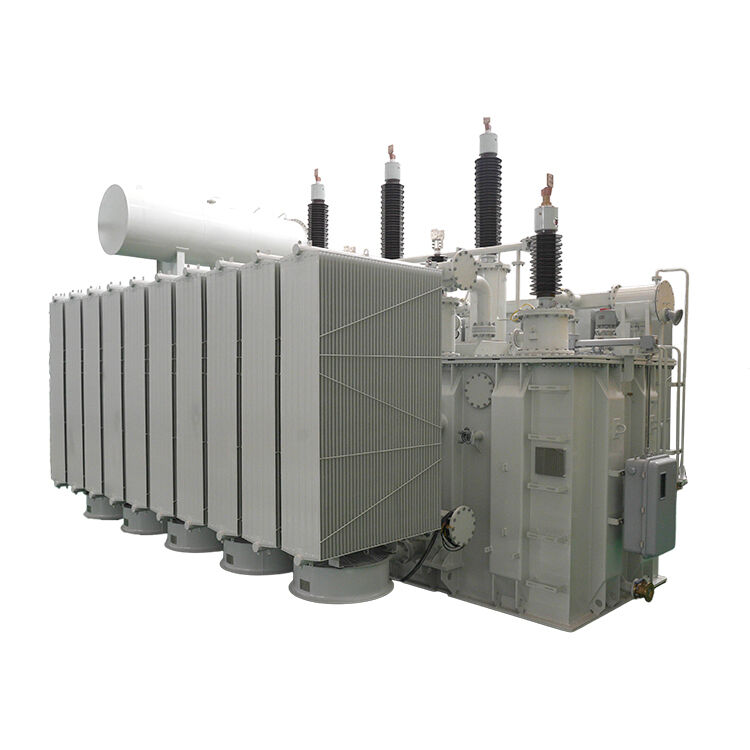
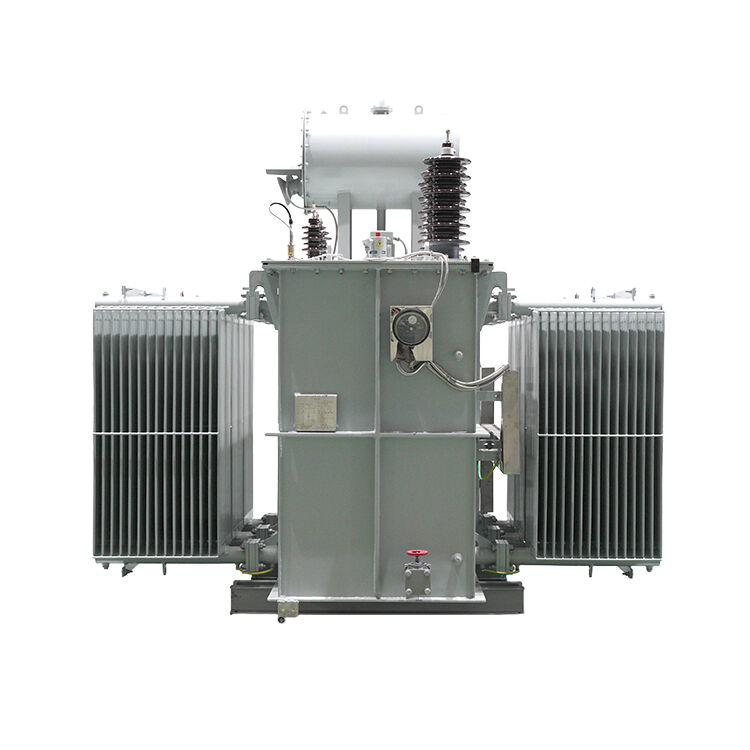
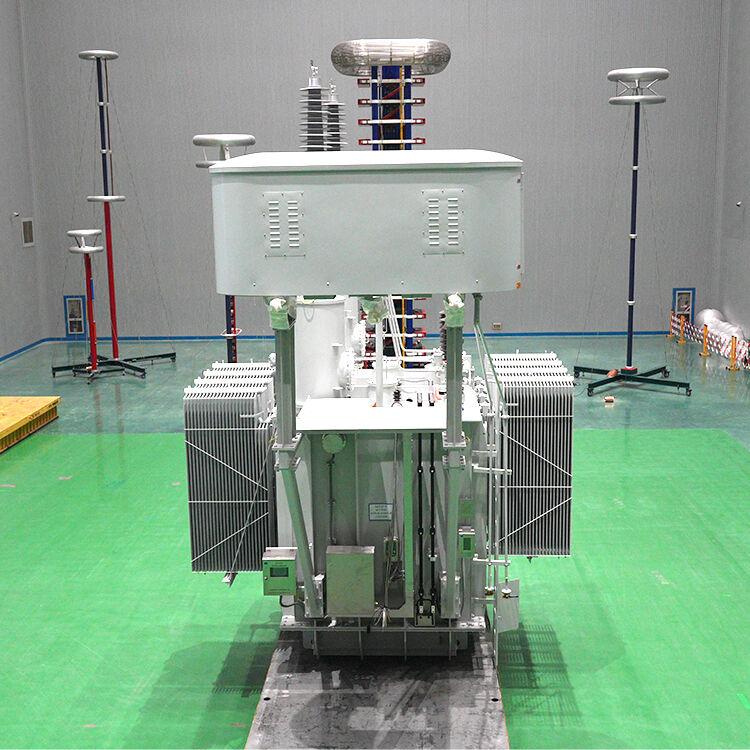
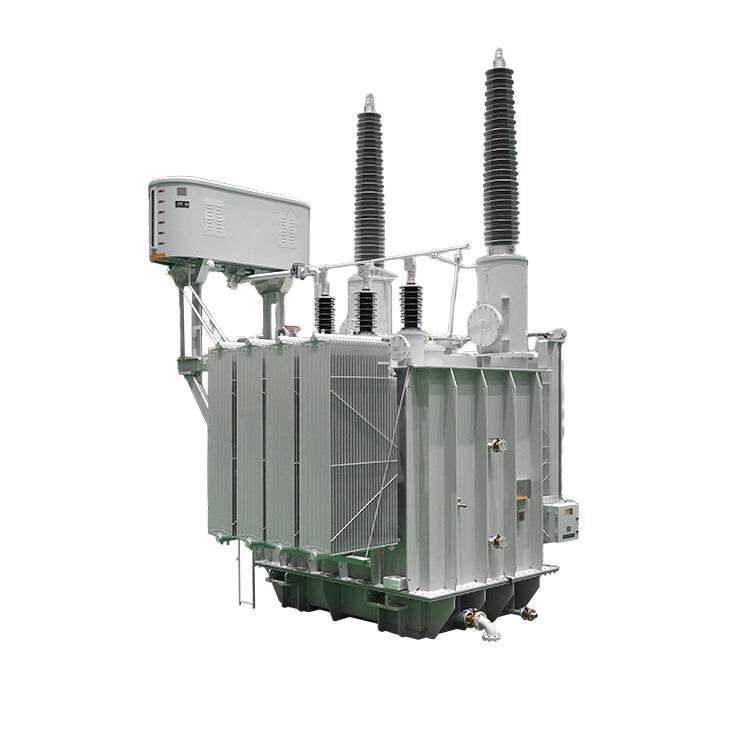
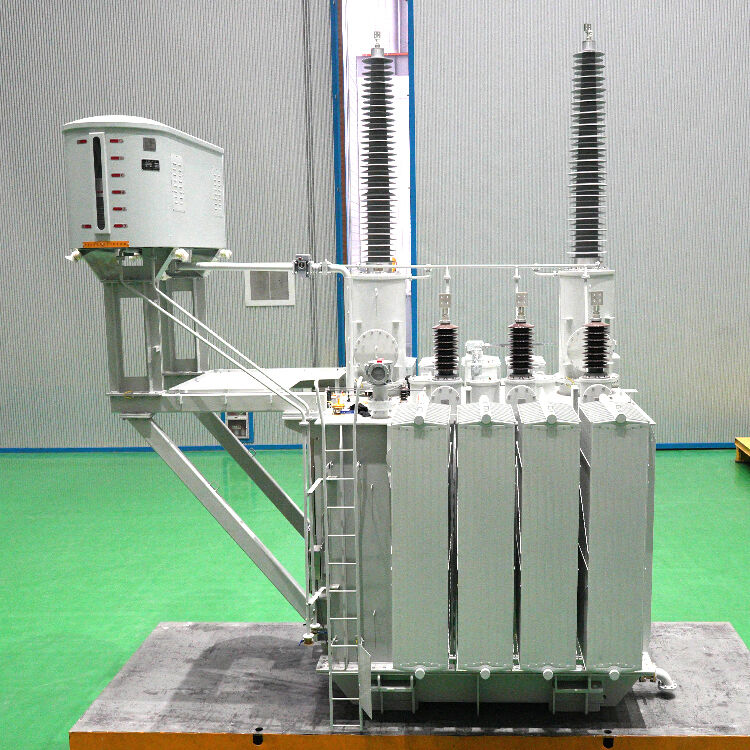
The step down traction transformer represents a critical component in modern electric transportation systems, serving as the essential bridge between high-voltage power supply networks and the specific voltage requirements of electric trains, trams, and other rail vehicles. This specialized electrical device operates by reducing incoming high-voltage electricity to lower, safer levels that traction motors can effectively utilize. The primary function of a step down traction transformer involves converting alternating current from overhead power lines or third rails, typically ranging from 15kV to 25kV, down to operational voltages between 400V and 1500V that electric motors require for optimal performance. The technological architecture of these transformers incorporates advanced magnetic core designs, precision-wound copper conductors, and sophisticated insulation systems that ensure reliable operation under demanding conditions. Modern step down traction transformers feature enhanced cooling mechanisms, including forced air circulation and oil-immersed designs, which maintain optimal operating temperatures during continuous heavy-load operations. These units integrate seamlessly with onboard power management systems, providing stable voltage regulation that directly impacts acceleration, speed control, and overall vehicle performance. Applications span across diverse transportation sectors, including high-speed rail networks, urban metro systems, light rail transit, and freight locomotive operations. The transformer design accommodates various power ratings, from compact units suitable for light urban vehicles to robust industrial-grade systems capable of handling multi-megawatt loads for heavy freight applications. Advanced monitoring capabilities enable real-time performance tracking, predictive maintenance scheduling, and fault detection, significantly reducing operational downtime. Environmental considerations drive continuous improvements in efficiency ratings, with modern step down traction transformers achieving energy conversion rates exceeding 98 percent, minimizing power losses and reducing operational costs for transportation operators worldwide.

Popular Products

Step down traction transformers deliver substantial operational benefits that directly impact transportation system efficiency and cost-effectiveness. Energy efficiency stands as the foremost advantage, with modern units converting electrical power at rates exceeding 98 percent efficiency, translating to significant cost savings over the transformer's operational lifespan. This high efficiency reduces energy waste, lowers electricity bills, and minimizes environmental impact through reduced carbon emissions. Safety enhancement represents another crucial benefit, as these transformers eliminate exposure to dangerous high voltages by converting power to manageable levels that maintenance personnel can work with safely. The robust construction ensures reliable operation in challenging environments, withstanding vibrations, temperature fluctuations, and electromagnetic interference common in rail applications. Maintenance requirements remain minimal due to solid-state design principles and quality materials that resist wear and degradation over extended periods. This reliability reduces unexpected breakdowns and costly emergency repairs that can disrupt transportation schedules. The compact design philosophy maximizes space utilization within vehicle constraints, allowing transportation designers greater flexibility in layout optimization. Advanced cooling systems prevent overheating during peak demand periods, ensuring consistent performance regardless of load variations or ambient temperatures. Voltage regulation capabilities provide stable power delivery that protects sensitive electronic components and extends motor life, reducing replacement costs and maintenance intervals. The step down traction transformer integrates seamlessly with modern control systems, enabling precise power management that optimizes acceleration profiles and regenerative braking efficiency. Cost-effectiveness emerges through extended service life, typically spanning 25-30 years with proper maintenance, providing excellent return on investment. Installation flexibility accommodates various mounting configurations, simplifying integration into existing systems or new vehicle designs. Quality manufacturing standards ensure consistent performance across units, reducing inventory complexity and standardizing maintenance procedures. These transformers support multiple voltage outputs from single units, reducing component count and system complexity while maintaining operational flexibility for diverse applications.

Tips And Tricks

How Does a Transformer Work in High Voltage Power Transmission?

08

Jan

How Does a Transformer Work in High Voltage Power Transmission?

High voltage power transmission systems form the backbone of modern electrical grids, enabling electricity to travel efficiently across vast distances. At the heart of these complex networks lies the power transformer, a crucial piece of equipment th...
View More
Why Are Transformers Critical for Industrial Power Distribution Systems?

14

Jan

Why Are Transformers Critical for Industrial Power Distribution Systems?

Industrial power distribution systems form the backbone of modern manufacturing, commercial facilities, and critical infrastructure operations. At the heart of these complex networks lies a fundamental component that ensures safe, efficient, and reli...
View More
How Do Transformers Support Grid Stability in Large-Scale Power Networks?

20

Jan

How Do Transformers Support Grid Stability in Large-Scale Power Networks?

Large-scale power networks form the backbone of modern electrical infrastructure, requiring sophisticated equipment to maintain stability and reliability across vast geographical areas. Power transformers play a crucial role in these complex systems ...
View More
What Should Utilities Consider When Selecting a Transformer Supplier?

26

Jan

What Should Utilities Consider When Selecting a Transformer Supplier?

Selecting the right supplier for power infrastructure represents one of the most critical decisions utility companies face in today's rapidly evolving energy landscape. The process of choosing a power transformer supplier requires careful evaluation ...
View More

Get a Free Quote

Our representative will contact you soon.
Email
WhatsApp/Mobile
Name
Company Name
Message
0/1000

step down traction transformer

Superior Energy Efficiency and Cost Reduction

Superior Energy Efficiency and Cost Reduction

The step down traction transformer achieves remarkable energy efficiency levels that directly translate to substantial operational cost savings for transportation operators. Modern units consistently deliver efficiency ratings above 98 percent, meaning less than two percent of input energy is lost during the voltage conversion process. This exceptional efficiency stems from advanced core materials, optimized winding configurations, and precision manufacturing techniques that minimize energy losses through heat generation and magnetic field inefficiencies. For large-scale transportation networks operating hundreds of vehicles daily, this efficiency advantage compounds into significant annual savings on electricity costs. The financial impact becomes particularly pronounced in high-frequency operations where transformers operate continuously under varying load conditions. Advanced core materials, including grain-oriented silicon steel and amorphous metal cores, reduce eddy current losses and hysteresis losses that traditionally waste energy in transformer operations. The optimized winding design minimizes copper losses through careful conductor sizing and strategic placement that reduces resistance and improves current flow characteristics. Temperature management systems maintain optimal operating conditions that preserve efficiency levels throughout the transformer's service life, preventing performance degradation that typically occurs with excessive heat exposure. Energy monitoring capabilities provide real-time feedback on efficiency performance, enabling operators to identify potential issues before they impact overall system performance. The environmental benefits of high efficiency extend beyond cost savings, as reduced energy consumption directly correlates to lower carbon emissions from power generation facilities. This efficiency advantage supports sustainability initiatives and regulatory compliance requirements increasingly important in modern transportation planning. Return on investment calculations consistently demonstrate that higher-efficiency step down traction transformers pay for themselves through energy savings within the first few years of operation, making them economically attractive for both new installations and retrofit applications.
Enhanced Safety and Operational Reliability

Enhanced Safety and Operational Reliability

Safety considerations drive every aspect of step down traction transformer design, ensuring protection for maintenance personnel, passengers, and equipment throughout the operational environment. The voltage reduction function eliminates direct exposure to dangerous high-voltage levels that pose electrocution risks and require specialized safety protocols for maintenance activities. By converting incoming voltages from 15kV-25kV ranges down to safer 400V-1500V levels, these transformers create manageable working conditions that reduce safety training requirements and insurance liabilities. Robust insulation systems exceed industry standards, providing multiple layers of protection against electrical faults that could compromise safety or cause equipment damage. Ground fault protection circuits immediately detect and isolate electrical anomalies, preventing dangerous conditions from developing into serious incidents. The sealed construction prevents moisture ingress and contamination that could compromise insulation integrity or create unsafe operating conditions. Thermal protection systems monitor internal temperatures and automatically reduce loading or initiate shutdown procedures when safe operating limits are approached, preventing overheating that could lead to fires or explosive failures. Mechanical design incorporates shock and vibration resistance that maintains electrical connections and prevents loose components that could create safety hazards during normal transportation operations. Regular testing protocols verify insulation resistance, ground continuity, and protection system functionality, ensuring safety systems remain effective throughout the service life. Operational reliability extends safety benefits by preventing unexpected failures that could strand vehicles or create emergency situations requiring rapid response. Predictive maintenance capabilities identify potential problems before they cause failures, allowing scheduled repairs during maintenance windows rather than emergency situations. Quality manufacturing processes and materials testing ensure consistent performance across production runs, reducing the likelihood of premature failures that could compromise safety or operations. Documentation and traceability systems maintain complete records of materials, testing, and performance data that support safety analysis and regulatory compliance requirements essential for transportation applications.
Compact Design and Installation Flexibility

Compact Design and Installation Flexibility

The compact design philosophy of modern step down traction transformers maximizes performance while minimizing space requirements, addressing critical constraints in transportation vehicle design where every cubic meter of space carries premium value. Advanced engineering techniques optimize magnetic core geometry and winding arrangements to achieve maximum power density, delivering higher capacity within smaller physical envelopes compared to traditional transformer designs. This space efficiency enables transportation designers to allocate more area to passenger seating, cargo capacity, or other revenue-generating features while maintaining essential electrical infrastructure. Modular construction approaches allow custom configurations that fit specific vehicle layouts and installation requirements, providing flexibility that accommodates diverse transportation applications from light rail vehicles to heavy freight locomotives. Universal mounting systems support various installation orientations including horizontal, vertical, and angled positions, enabling integration into confined spaces that would otherwise require custom solutions. The reduced weight achieved through compact design directly impacts vehicle performance by lowering overall mass, which improves acceleration capabilities, reduces energy consumption, and decreases track wear throughout the operational lifespan. Standardized connection interfaces simplify installation procedures and reduce labor costs during both initial installation and future maintenance activities. Integrated cooling systems eliminate the need for separate cooling equipment, further reducing space requirements and system complexity while ensuring reliable thermal management. Cable management features organize input and output connections in logical arrangements that minimize installation time and reduce the potential for wiring errors during assembly or maintenance procedures. The step down traction transformer design accommodates retrofit applications where existing vehicles require electrical system upgrades, fitting into spaces originally designed for older, less efficient equipment. Testing and commissioning procedures are streamlined through built-in diagnostic capabilities that verify proper installation and performance without requiring external test equipment. Documentation packages include detailed installation guides, dimensional drawings, and interface specifications that support efficient project planning and execution, reducing engineering costs and project timelines for transportation system implementations.

Get a Free Quote

Our representative will contact you soon.
Email
WhatsApp/Mobile
Name
Company Name
Message
0/1000