Step Down Autotransformer Solutions: Efficient Voltage Reduction Technology for Industrial and Commercial Applications

Get a Free Quote

Our representative will contact you soon.
Email
WhatsApp/Mobile
Name
Company Name
Message
0/1000

step down autotransformer

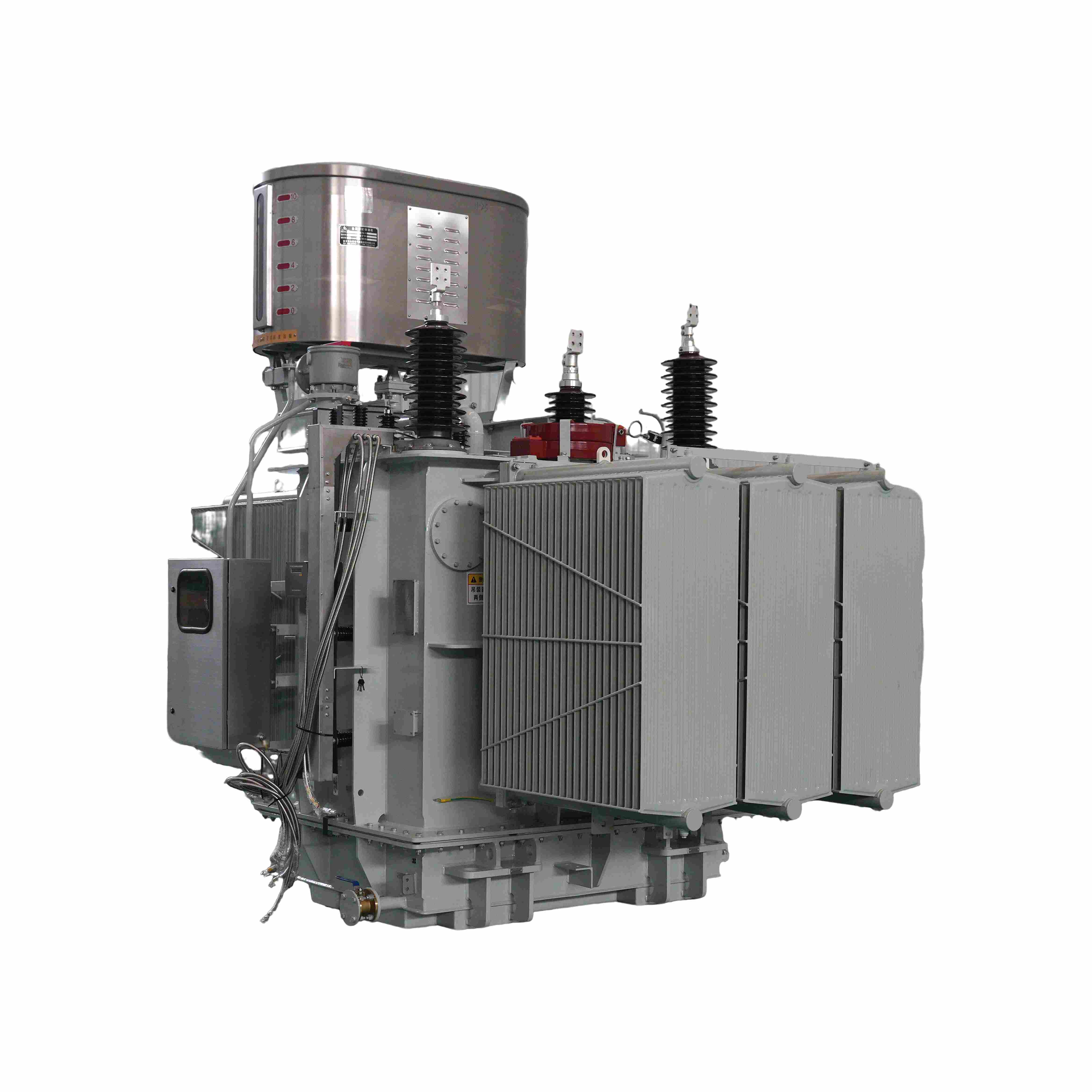
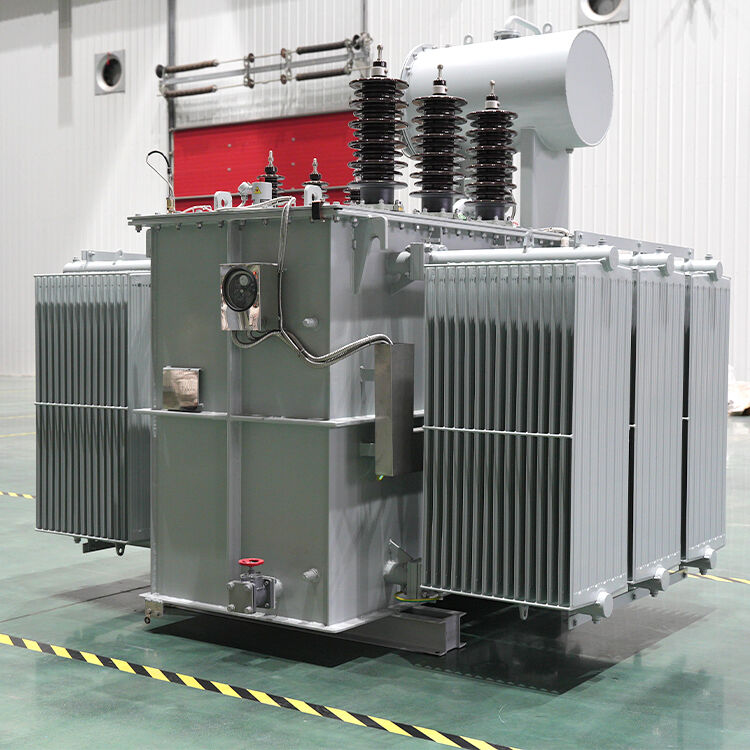
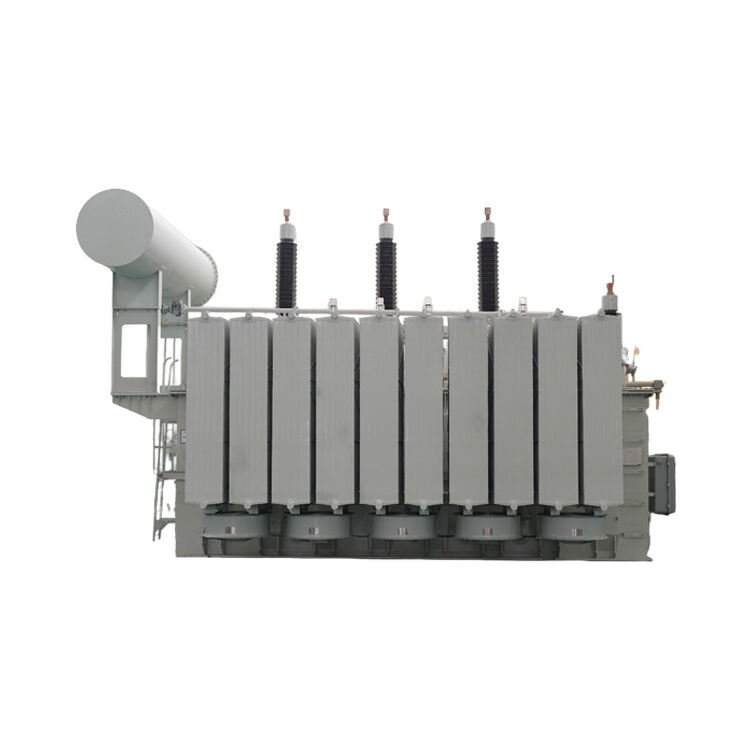
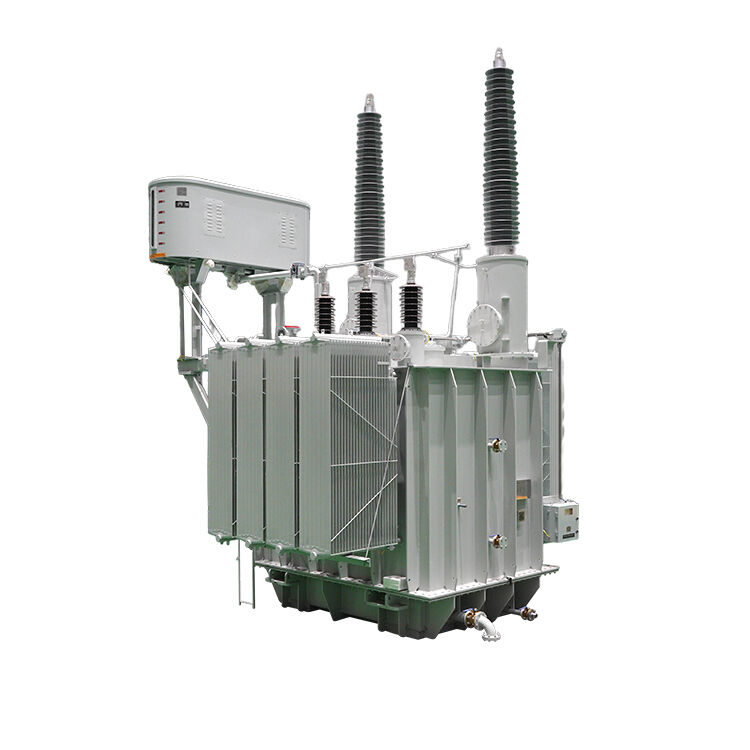
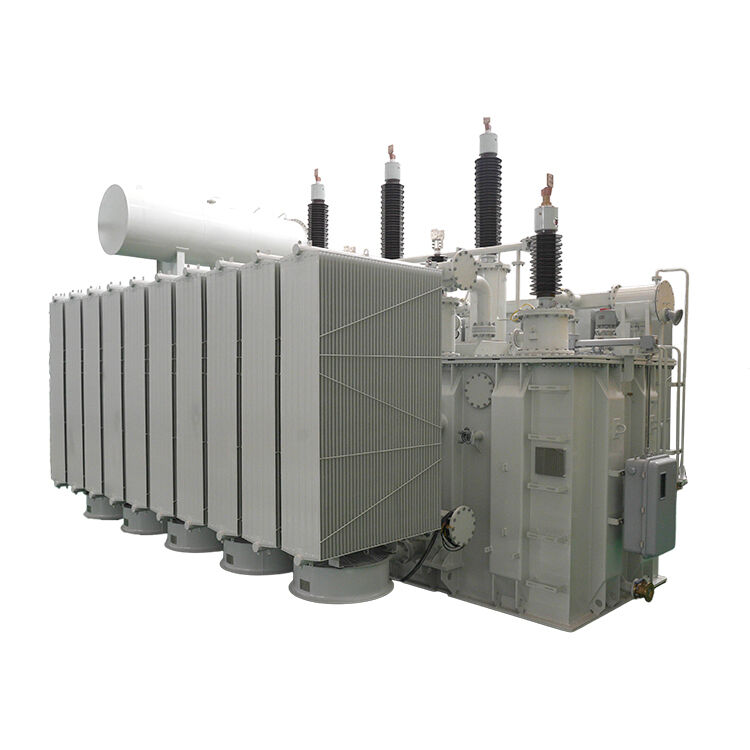
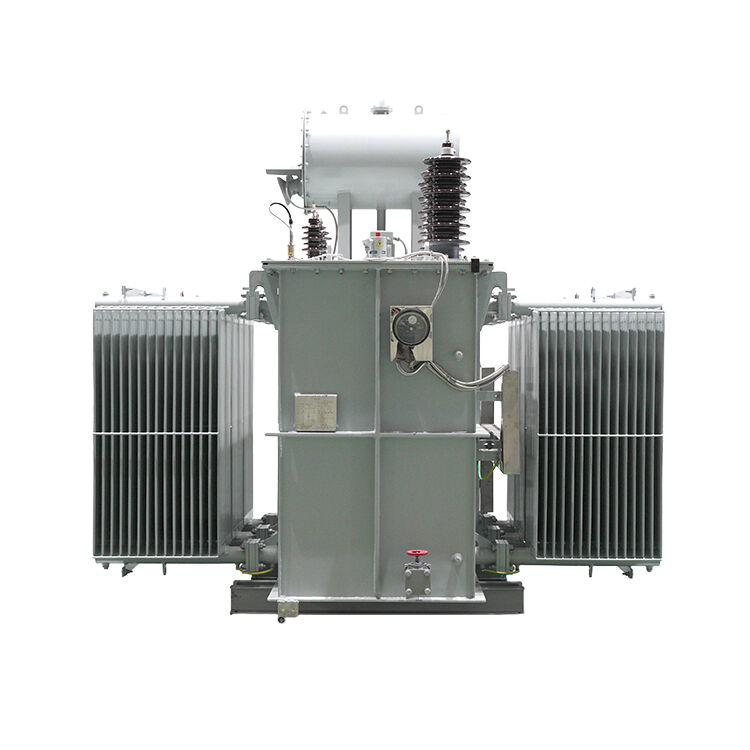
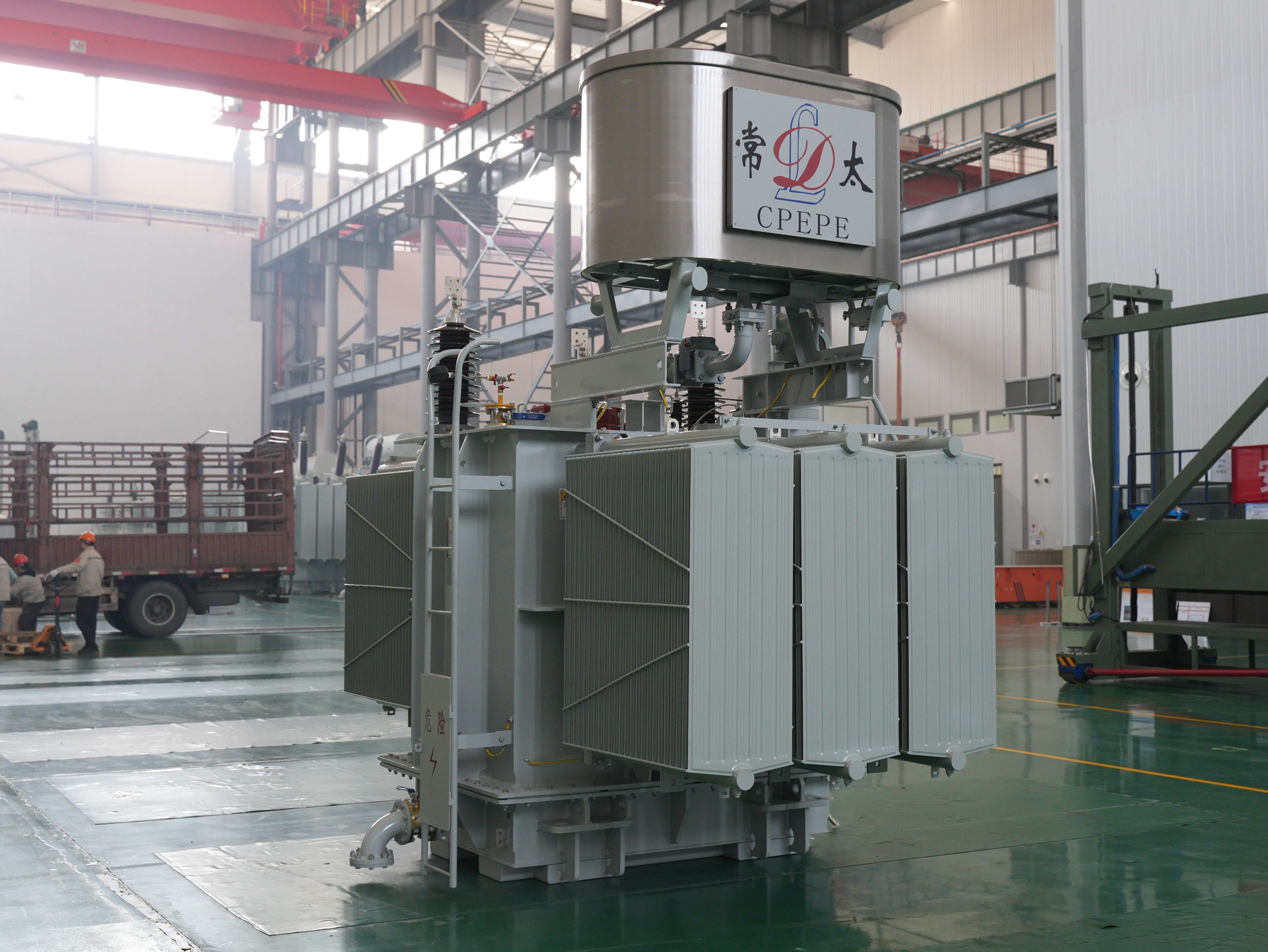
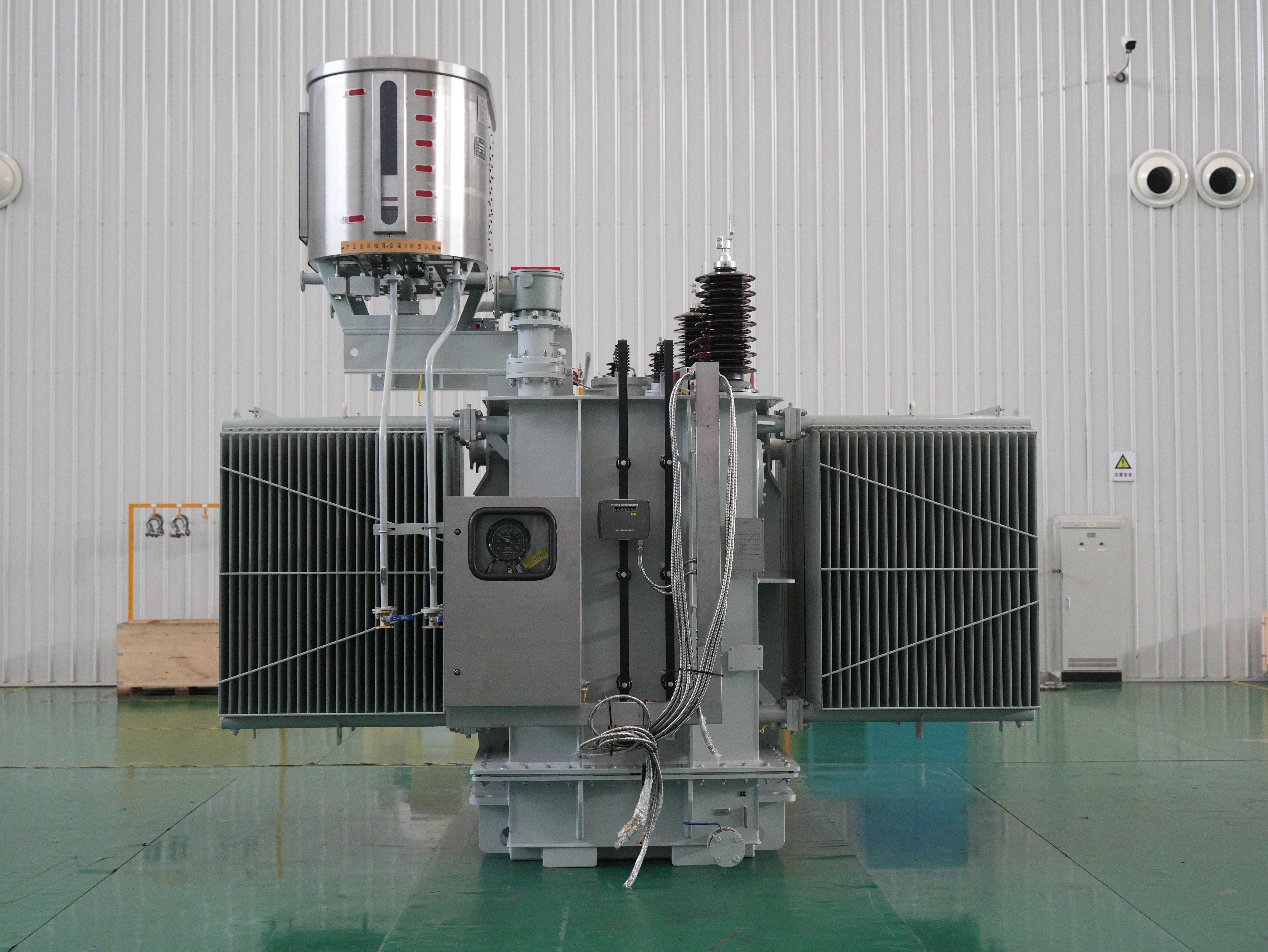
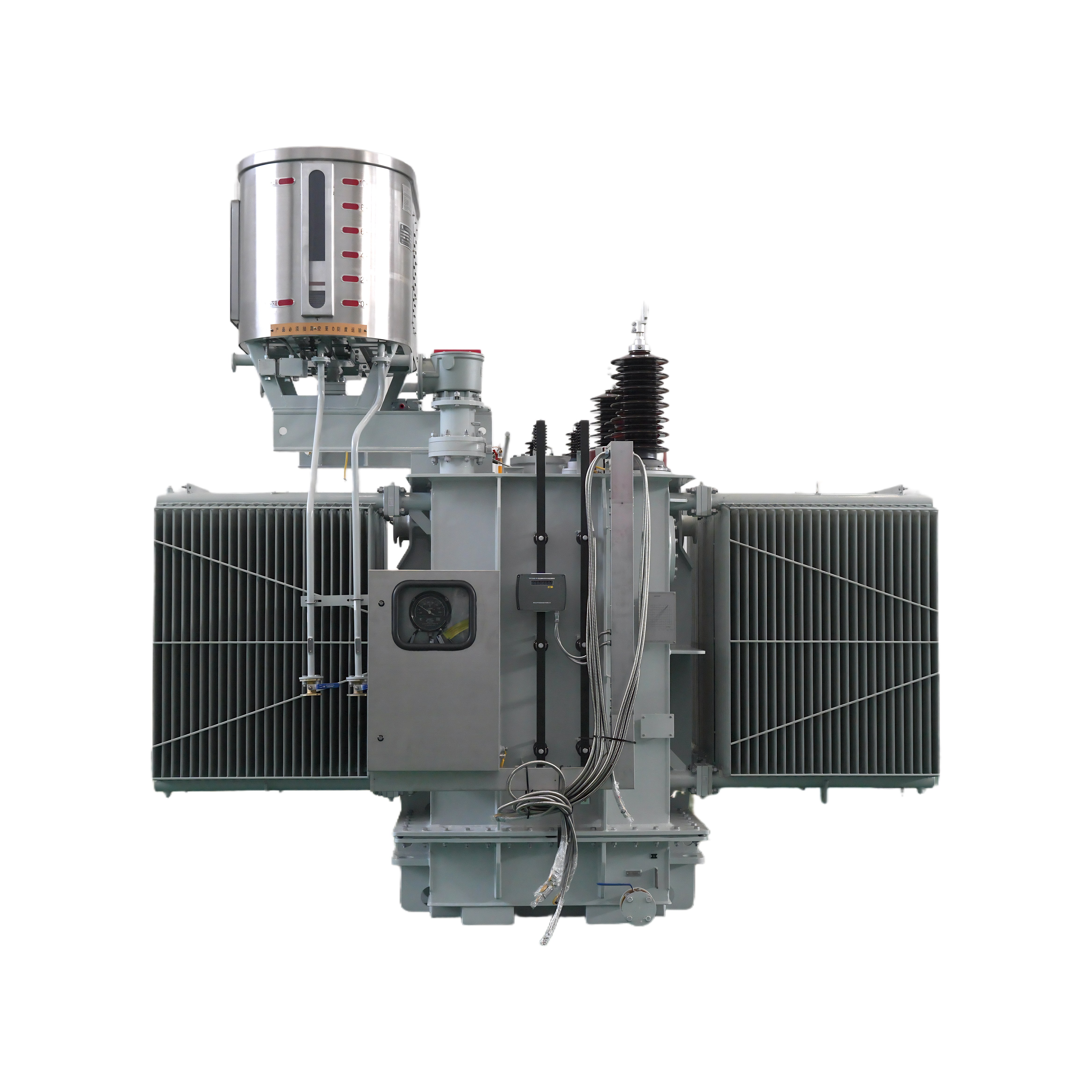
A step down autotransformer represents a sophisticated electrical device designed to reduce voltage levels while maintaining efficient power transmission throughout electrical systems. This specialized transformer operates on the principle of electromagnetic induction, utilizing a single winding with multiple taps to achieve voltage reduction without the complexity of traditional two-winding transformers. The step down autotransformer features a unique construction where the primary and secondary circuits share a common winding, creating a direct electrical connection between input and output. This innovative design enables the device to handle substantial power loads while occupying minimal space and requiring fewer materials than conventional transformers. The autotransformer's core consists of high-grade silicon steel laminations that minimize energy losses and ensure optimal magnetic flux distribution. Advanced insulation systems protect the windings from electrical stress and environmental factors, guaranteeing reliable long-term operation. Modern step down autotransformer units incorporate sophisticated cooling mechanisms, including natural air circulation and forced ventilation systems, to maintain optimal operating temperatures under various load conditions. The device typically features multiple voltage taps, allowing users to select precise output voltages according to specific application requirements. Protection systems integrated into the step down autotransformer include overcurrent protection, thermal monitoring, and surge suppression capabilities. These safety features prevent damage from electrical faults and ensure continuous operation in demanding industrial environments. The step down autotransformer finds extensive applications across diverse sectors, including industrial manufacturing, commercial facilities, and residential installations. Manufacturing plants utilize these transformers to power machinery requiring specific voltage levels, while commercial buildings employ them for lighting systems and HVAC equipment. The telecommunications industry relies on step down autotransformer technology for powering communication equipment and maintaining stable voltage supplies. Additionally, renewable energy systems incorporate these transformers to match solar panel or wind turbine outputs with grid requirements.

New Product Recommendations

The step down autotransformer delivers exceptional economic benefits through its cost-effective design and operational efficiency. Unlike traditional transformers that require separate primary and secondary windings, this innovative device uses a single winding configuration that significantly reduces material costs and manufacturing complexity. Customers save money upfront during purchase and continue saving through reduced maintenance requirements throughout the transformer's operational life. The compact design of the step down autotransformer means businesses need less installation space, reducing real estate costs and simplifying facility planning. Energy efficiency stands as another compelling advantage, with the step down autotransformer typically achieving efficiency ratings between 95-99 percent, substantially higher than many conventional transformer designs. This superior efficiency translates directly into lower electricity bills and reduced carbon footprint, making it an environmentally responsible choice for modern businesses. The step down autotransformer requires minimal maintenance compared to traditional transformers, as the simplified design has fewer components that can fail or require regular servicing. This reliability reduces downtime costs and ensures consistent power supply for critical operations. Installation flexibility represents another significant advantage, as the step down autotransformer can be easily integrated into existing electrical systems without major modifications or disruptions. The device handles voltage regulation smoothly, providing stable output even when input voltages fluctuate due to grid conditions or load variations. Safety features built into modern step down autotransformer units protect both equipment and personnel from electrical hazards, including automatic shutdown capabilities during fault conditions. The transformer's robust construction ensures long service life, often exceeding 25 years with proper maintenance, providing excellent return on investment. Weight reduction compared to conventional transformers simplifies transportation and installation procedures, reducing associated costs and logistical challenges. The step down autotransformer operates quietly, making it suitable for noise-sensitive environments such as hospitals, schools, and residential areas. Furthermore, the device responds quickly to load changes, maintaining voltage stability during peak demand periods and ensuring consistent performance for connected equipment.

Latest News

What Is a Transformer and How Does It Improve Power System Efficiency?

02

Jan

What Is a Transformer and How Does It Improve Power System Efficiency?

A transformer represents one of the most critical components in modern electrical power systems, serving as the backbone for efficient energy transmission and distribution across vast networks. These electromagnetic devices enable the seamless conver...
View More
Why Are Transformers Critical for Industrial Power Distribution Systems?

14

Jan

Why Are Transformers Critical for Industrial Power Distribution Systems?

Industrial power distribution systems form the backbone of modern manufacturing, commercial facilities, and critical infrastructure operations. At the heart of these complex networks lies a fundamental component that ensures safe, efficient, and reli...
View More
How Do Transformers Support Grid Stability in Large-Scale Power Networks?

20

Jan

How Do Transformers Support Grid Stability in Large-Scale Power Networks?

Large-scale power networks form the backbone of modern electrical infrastructure, requiring sophisticated equipment to maintain stability and reliability across vast geographical areas. Power transformers play a crucial role in these complex systems ...
View More
What Should Utilities Consider When Selecting a Transformer Supplier?

26

Jan

What Should Utilities Consider When Selecting a Transformer Supplier?

Selecting the right supplier for power infrastructure represents one of the most critical decisions utility companies face in today's rapidly evolving energy landscape. The process of choosing a power transformer supplier requires careful evaluation ...
View More

Get a Free Quote

Our representative will contact you soon.
Email
WhatsApp/Mobile
Name
Company Name
Message
0/1000

step down autotransformer

Superior Energy Efficiency and Cost Savings

Superior Energy Efficiency and Cost Savings

The step down autotransformer delivers unmatched energy efficiency that directly impacts operational costs and environmental sustainability. This remarkable efficiency stems from the transformer's unique single-winding design, which eliminates the energy losses typically associated with magnetic coupling between separate primary and secondary windings found in conventional transformers. The step down autotransformer achieves efficiency ratings consistently above 95 percent, with many units reaching 98-99 percent efficiency under optimal conditions. This exceptional performance means that less electrical energy is wasted as heat, resulting in substantially lower electricity bills for businesses and organizations. The financial benefits compound over time, as the energy savings from a step down autotransformer can amount to thousands of dollars annually for medium to large installations. Beyond immediate cost savings, the high efficiency contributes to reduced cooling requirements in electrical rooms and substations, further decreasing operational expenses. The step down autotransformer's efficiency remains consistently high across varying load conditions, unlike some transformers that experience significant efficiency drops at partial loads. This characteristic ensures optimal performance whether the connected equipment operates at full capacity or reduced demand. Environmental benefits accompany the economic advantages, as the reduced energy consumption directly correlates to lower carbon emissions and decreased environmental impact. Organizations pursuing sustainability goals find the step down autotransformer an excellent choice for meeting energy efficiency targets while maintaining reliable power distribution. The transformer's efficiency also extends its operational lifespan by generating less heat stress on internal components, reducing degradation rates and maintaining performance over decades of service. Advanced materials and manufacturing techniques used in modern step down autotransformer construction further enhance efficiency while ensuring durability and reliability in demanding applications.
Compact Design and Space Optimization

Compact Design and Space Optimization

The step down autotransformer revolutionizes electrical infrastructure through its remarkably compact design that maximizes functionality while minimizing space requirements. This space-saving characteristic becomes increasingly valuable in modern facilities where real estate costs continue rising and available installation space becomes more limited. The step down autotransformer achieves its compact footprint through innovative engineering that eliminates the need for separate primary and secondary windings, instead utilizing a single winding with multiple taps to accomplish voltage transformation. This design approach reduces the overall transformer size by up to 40 percent compared to equivalent capacity conventional transformers, creating significant opportunities for space optimization in electrical rooms, substations, and industrial facilities. The reduced size translates into lower foundation requirements, simplified structural support systems, and decreased installation complexity. Facility planners appreciate the flexibility that compact step down autotransformer units provide, as they can be easily integrated into tight spaces or retrofitted into existing installations without major renovations. The smaller physical dimensions also reduce shipping costs and simplify transportation logistics, particularly beneficial for remote installations or projects with access limitations. Weight reduction accompanies the size benefits, with step down autotransformer units typically weighing 20-30 percent less than comparable conventional transformers, reducing structural load requirements and installation costs. Indoor installations benefit from the reduced heat generation and smaller clearance requirements, allowing for more efficient use of available floor space and improved facility layout optimization. The compact design does not compromise performance or reliability, as modern step down autotransformer units maintain full electrical specifications while occupying significantly less space. This efficiency of design makes the step down autotransformer particularly attractive for urban installations, offshore platforms, and other space-constrained applications where every square foot carries premium value.
Enhanced Safety and Reliable Performance

Enhanced Safety and Reliable Performance

The step down autotransformer incorporates advanced safety features and reliability enhancements that provide superior protection for both equipment and personnel while ensuring consistent performance across diverse operating conditions. Modern step down autotransformer designs integrate multiple layers of protection systems that monitor electrical parameters continuously and respond automatically to potential hazards or abnormal conditions. Overcurrent protection circuits within the step down autotransformer detect excessive current flow and initiate protective shutdown sequences before damage can occur to the transformer or connected equipment. Thermal monitoring systems track operating temperatures throughout the transformer and activate cooling systems or alarm notifications when temperatures approach predetermined limits. These safety mechanisms work together to prevent catastrophic failures and extend the operational life of the step down autotransformer significantly. Surge protection capabilities shield the transformer from voltage spikes caused by lightning strikes, switching operations, or grid disturbances, maintaining stable operation even during severe electrical events. The inherent design of the step down autotransformer provides natural current limiting characteristics that help protect downstream equipment from fault conditions, acting as an additional safety barrier in electrical distribution systems. Insulation systems in modern step down autotransformer units utilize advanced materials and construction techniques that exceed industry safety standards, providing reliable operation in harsh environmental conditions including high humidity, temperature extremes, and corrosive atmospheres. Grounding systems integrated into the step down autotransformer design ensure proper electrical safety and minimize the risk of electrical shock or electrocution for maintenance personnel and operators. Regular diagnostic capabilities built into sophisticated step down autotransformer units enable predictive maintenance strategies that identify potential issues before they develop into serious problems, maximizing uptime and reliability. The robust construction and conservative design margins incorporated in quality step down autotransformer units provide exceptional reliability with typical service lives exceeding 25 years under normal operating conditions, ensuring long-term value and dependable performance for critical applications.

Get a Free Quote

Our representative will contact you soon.
Email
WhatsApp/Mobile
Name
Company Name
Message
0/1000